Electrochemical Metallurgy · Qualanod Class I & II · B2B Sourcing

Architectural Aluminium Anodizing Finish Guide: Specs, Trends & Procurement

Engineering reference for global procurement leaders, facade consultants, and architectural metal fabricators seeking high-integrity anodized profile systems.

Class I (20–25 µm) Marine-Grade Anodizing

Integrated electrochemical oxidation converting 6063-T5/T6 surfaces into un-peelable, sapphire-hard protective alumina structures.

Electrolytic Bronze & Metallic Spectrum

Tin and cobalt salt deposition within anodic micro-pores delivering lightfast metallic tones with zero risk of flaking or chalking.

Direct Factory Sourcing from Faisalabad Plant

Full control from primary billet extrusion through chemical etching, anodizing bath titrations, and automated seal verification.

  • Qualanod Compliant 10–25 µm
  • 6063-T5 / T6 Extrusion Alloys
  • Electrolytic Metal Coloring
  • 44+ Global & Regional Partner Cities
Electrochemical Capacity Snapshot

Key Metrics in Architectural Aluminium Anodizing Finish Production

At our integrated extrusion and surface-finishing plant on 5km Painsra Road, Gojra, Faisalabad, Pak Alumex operates dedicated anodizing lines engineered for micro-pore uniformity, precise film growth, and strict color-matching standardizations.

  • 0Maximum film build (µm) for Class I exterior facades
  • 0Years expected service life under outdoor atmospheric exposure
  • 0Vickers hardness (HV) of sealed anodic oxide matrix
  • 0% Recyclable inorganic finish with zero organic solvents
Metallurgical Engineering

Understanding the Aluminium Anodizing Finish: An Electrochemical Overview

Anodizing is not an applied surface coating, paint, or film resin. It is an electro-chemical oxidation process that grows a controlled layer of aluminum oxide (Al2O3) directly out of the base aluminum alloy substrate.

The Porous Alumina Layer & Growth Kinetics

When extrusions made of architectural 6063 alloy are immersed in an electrolyte bath containing 160–180 g/L sulfuric acid (H2SO4) under direct electrical current (DC density 1.2–1.5 A/dm²), oxygen ions are liberated at the anode surface. These ions react directly with the aluminum metal matrix to form a two-part anodic structure: a thin, non-porous dielectric barrier layer directly against the unreacted metal, and a thick, hexagonal porous layer extending outward.

Because the anodic film is grown entirely from the parent metal, it exhibits 100% integral adhesion. It can never peel, flake, blister, or undercut when exposed to thermal cycling or atmospheric corrosion. The micro-hardness of this alumina matrix ranges between 300 HV and 400 HV—making an anodized profile surface nearly as hard as industrial sapphire.

Sulfuric Acid Anodizing Bath Operational Specifications
Parameter Target Specification Engineering Impact
Sulfuric Acid (H2SO4) 165 ± 5 g/L Maintains optimum electrolyte conductivity and pore diameter
Dissolved Aluminum (Al3+) 8 – 15 g/L Prevents bath burning while maintaining chemical equilibrium
Bath Temperature 19.5 ± 0.5 °C Prevents excessive chemical dissolution of oxide cell walls
Current Density 1.3 – 1.5 A/dm² Controls film growth rate (~0.4 – 0.5 µm/min) and cell density
Agitation Rate Continuous Air / Liquid Eliminates localized heat spikes across long curtain wall mullions
Curated Product Systems

Architectural Profile Recommendations with Anodizing Finish

Pak Alumex engineers profile geometries tailored specifically to maximize the aesthetic and structural advantages of anodized aluminum surfaces for global construction projects.

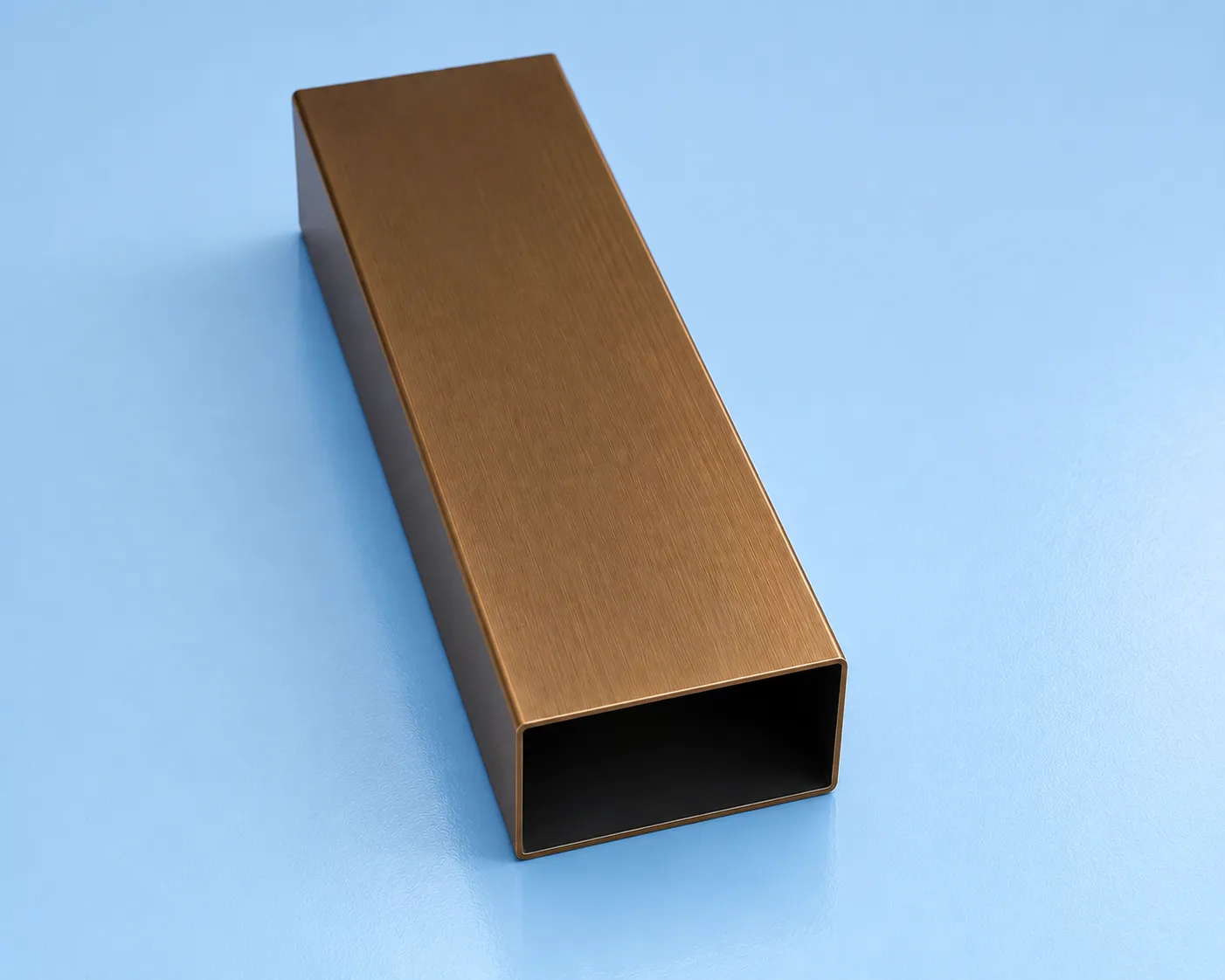
Class I Anodized Bronze Anodized Aluminium Extrusion Profile

Electrolytic Bronze Anodized Profiles

Electro-chemically colored with metallic tin/cobalt salts deposited into the anodic pores. Ideal for high-end exterior elevations requiring deep lightfast bronze tones with metallic reflectivity.

  • 20–25 µm Film Build
  • 6063-T5 / T6 Alloy
  • UV & Fade Immune
  • Class 1 Architectural
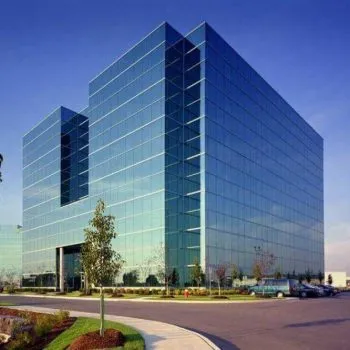
Facade Systems Anodized Unitized Curtain Wall Frame System

Anodized Unitized Curtain Wall Systems

Pre-assembled structural split mullions and transoms featuring silver or champagne clear anodizing finish. Designed for high-rise wind loads and tight joint alignment.

  • Split Mullion Joinery
  • Thermally Broken
  • 25 µm Anodized Exterior
  • ASTM B117 Tested
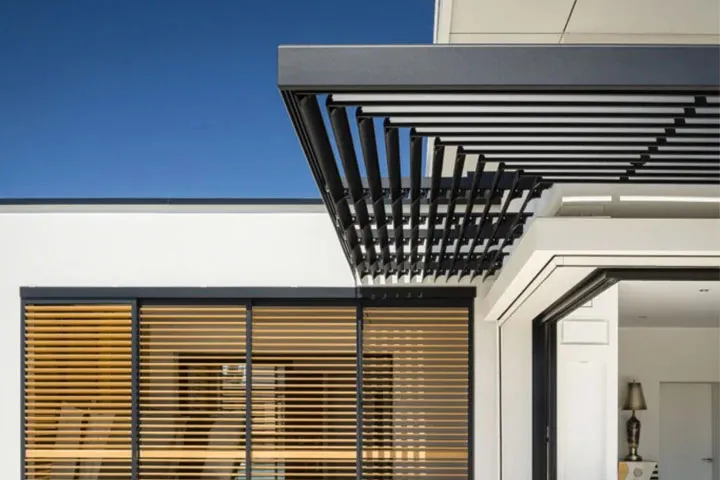
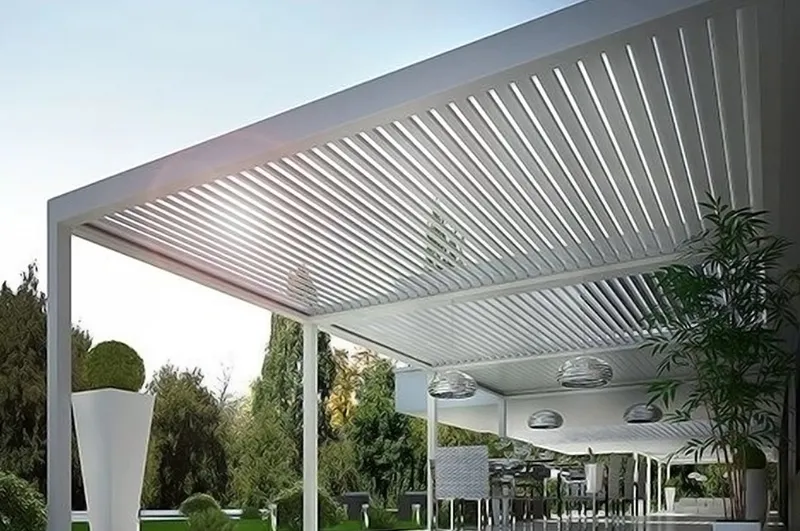
Solar Shading Anodized Solar Shading Louvers and Aerofoil Fins

Anodized Solar Shading & Aerofoil Fins

Extruded hollow and solid fin profiles finished in natural silver or dark bronze anodizing. Provides building thermal envelope control with zero surface degradation over time.

  • Aerofoil & Box Profiles
  • Concealed Mounting
  • Class I Anodized
  • High Scratch Resistance
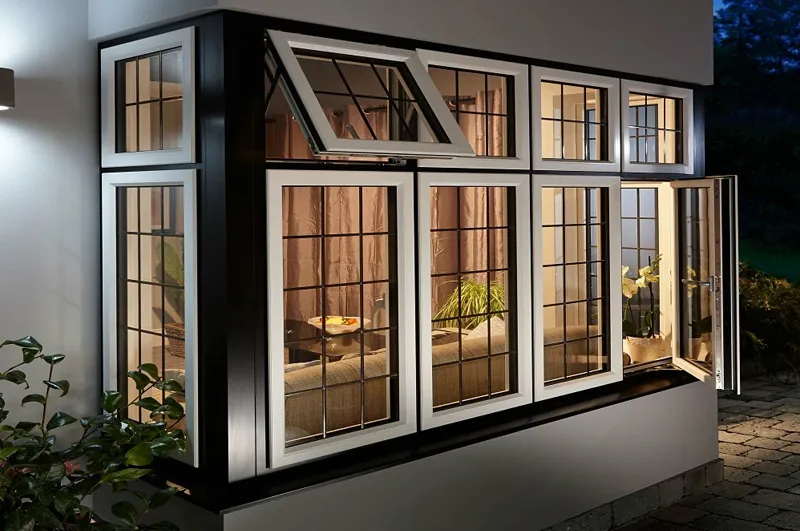
Window Systems Anodized Casement Window Extrusions

Anodized Casement Window Systems

Precision 6063-T5 profiles featuring continuous EPDM gasket channels and electrochemically sealed anodized surfaces for premium residential and commercial fenestration.

  • EPDM Double Seal
  • Multi-Point Lock Notch
  • 15–20 µm Film Thickness
  • Fingerprint Resistant
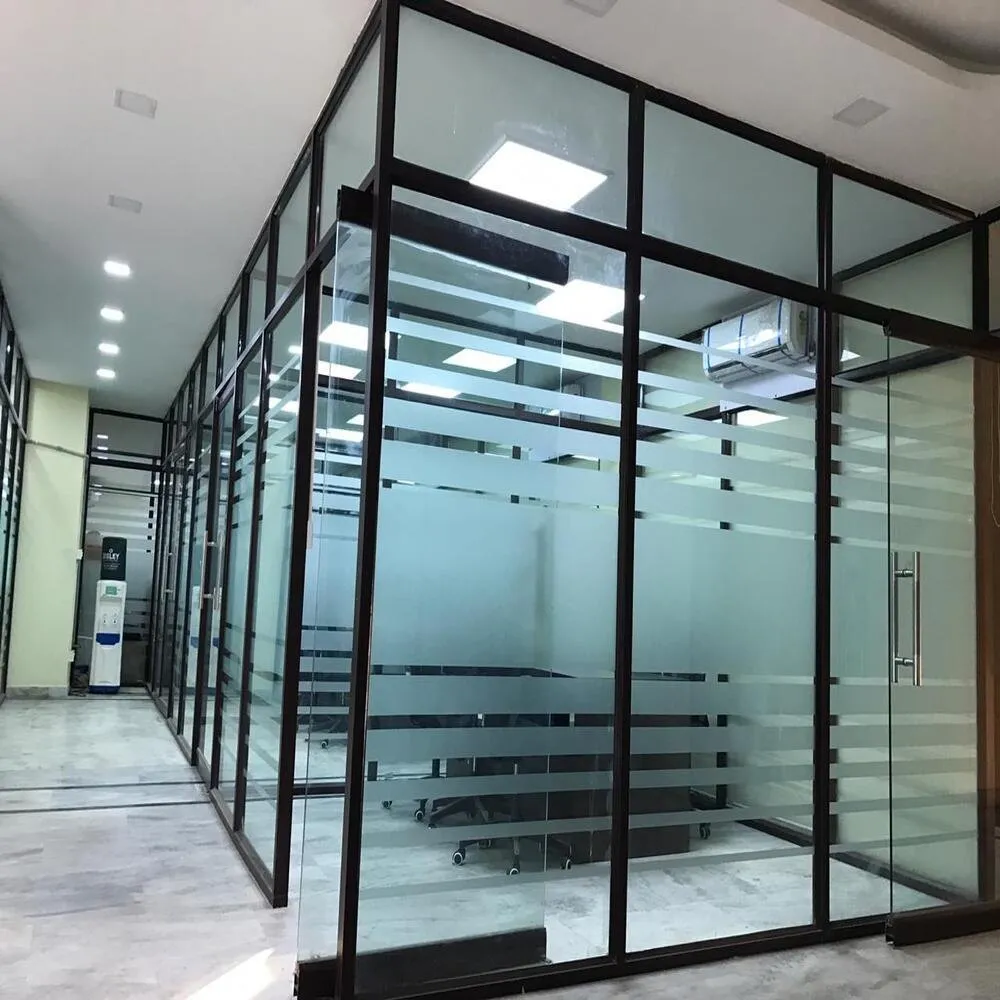
Interior Partitions Silver Anodized Architectural Office Partitions

Silver Satin Anodized Office Partitions

Fine-etched satin silver anodized frames providing sleek acoustic partitions for modern corporate interiors, immune to scuffs, wear, and cleaning chemicals.

  • E6 Mechanical Etch
  • 10–15 µm Interior Grade
  • Acoustic Sealing
  • Slim Sightline Section
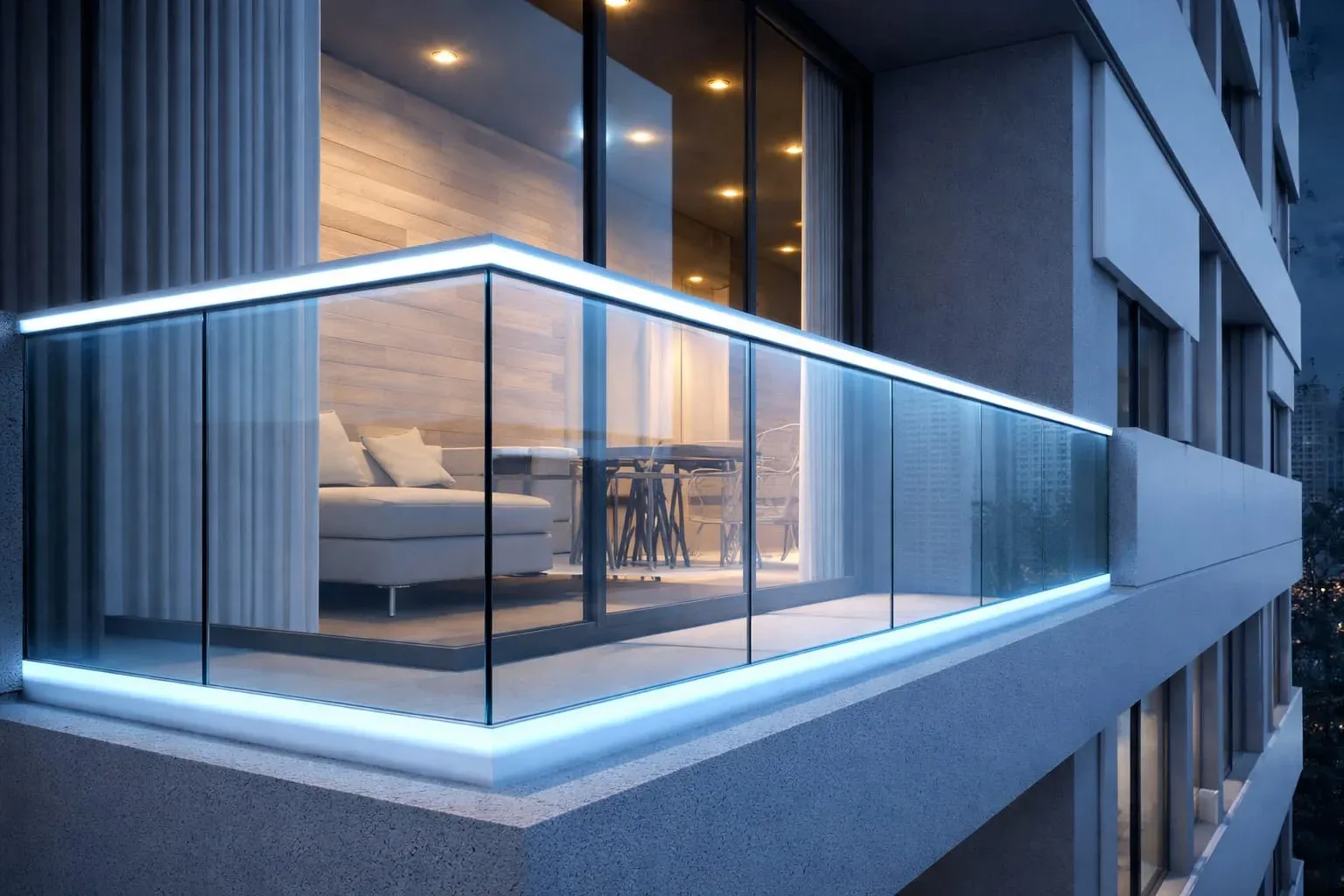
Balustrades Heavy-duty Anodized Balustrade Base Channel System

Anodized Heavy Balustrade Shoe Systems

Thick-walled 6063-T6 structural base channels finished in marine-grade 25 µm anodizing for frameless glass balconies exposed to salt fog and foot traffic.

  • 6063-T6 High Yield
  • 25 µm Marine Anodize
  • Glass Wedge Lock
  • Zero Paint Flaking
Engineering Comparison

Aluminium Anodizing Finish vs Architectural Powder Coating

Selecting the correct surface finish depends on ambient UV radiation, atmospheric salinity, thermal expansion requirements, and desired visual depth.

Detailed Technical Comparison Matrix for Specifiers
Evaluation Property Aluminium Anodizing Finish (Qualanod Class I) Architectural Powder Coating (Qualicoat Class 2)
Surface Structure Integral electrochemically grown Al2O3 oxide matrix Electrostatically applied cured polyester resin film
Typical Film Thickness 20 – 25 Microns (Exterior Class I) 60 – 80 Microns (Dry Film Build)
Interfacial Adhesion 100% Chemical Bond (Cannot peel, flake or blister) Mechanical / Chemical adhesion over converted substrate
Micro-Hardness 300 – 400 Vickers (HV) – Extremely Scratch Resistant 2H – 3H Pencil Hardness – Susceptible to gouging
UV Stability & Lightfastness 100% Inorganic Oxide – Completely immune to UV decay High UV stability, but organic pigments degrade over 25+ yrs
Metallic Aesthetics True metallic luster with raw aluminum light refraction Opaque solid colors or mica-powder metallic simulations
Filiform Corrosion Resistance Completely Immune (No organic interface for moisture migration) Requires strict chromate-free conversion pretreatment to avoid
Scratch Touch-Up Capability Requires section replacement or chemical re-anodizing Air-dry liquid acrylic or polyurethane spray touch-up paint
B2B Procurement & Technical FAQ

Frequently Asked Technical Questions on Aluminium Anodizing Finish

Direct engineering responses to AI-driven procurement queries regarding alloy composition, film thickness callouts, salt spray resistance, and quality standards.

Aluminium anodizing finish clarity is directly governed by alloy purity and constituent distribution. In 6063 architectural alloy, iron (Fe) content must be maintained below 0.35% (ideally < 0.18% for high-spec clear anodizing) to prevent dull grey streaking. Magnesium (Mg) and Silicon (Si) are balanced precisely to form Mg2Si precipitates during T5/T6 heat treatment. Excess un-combined silicon creates dark specks under anodic growth, while copper (Cu > 0.10%) causes severe bath yellowing and reduces corrosion resistance. Pak Alumex inspects raw billet chemistry via optical emission spectrometry prior to extrusion to guarantee uniform anodic oxide transparency.

Class I anodic coating (minimum 18–25 microns) is specified for aggressive exterior environments including coastal, industrial, high-UV, and high-pollution zones where long-term abrasion and chemical resistance are mandatory. Class II anodic coating (10–15 microns) is intended for interior architectural applications or mild exterior exposures with regular maintenance schedules. Specifying Class I ensures an oxide layer capable of enduring 40+ years without substrate pitting under ASTM B117 salt spray testing.

6063-T6 temper undergoes artificial ageing to reach a higher yield strength (typically ≥ 170 MPa vs ≥ 110 MPa for T5) and ultimate tensile strength (≥ 205 MPa). For long-span structural mullions and transoms in unitized curtain walls, T6 temper provides the required structural rigidity under positive and negative wind pressures while maintaining the exact same anodic response and surface reflectivity as T5 temper profiles.

Electrolytic bronze colouring relies on electro-depositing metallic tin or cobalt particles into the base anodic pores using alternating current. To prevent batch-to-batch Delta E variation, Pak Alumex enforces strict bath controls: maintaining sulfuric acid concentration at 165 ± 5 g/L, bath temperature at 19.5 ± 0.5 °C, aluminum ion content below 15 g/L, and digital AC dosage control during the coloring cycle. Samples are verified using spectrophotometers under D65 standard illuminant to ensure Delta E < 1.0 across production lots.

Hydrothermal hot-water sealing (> 96 °C) hydrates amorphous alumina into boehmite [AlO(OH)], swelling inside the anodic pores to seal them permanently against environmental moisture without introducing heavy metals. Cold nickel sealing (25–30 °C) uses nickel fluoride chemistry to precipitate nickel hydroxides inside pores quickly, consuming less energy but requiring strict chemical bath balancing to avoid powdery surface blooming. Pak Alumex utilizes demineralized hot water sealing supplemented by eco-friendly sealing additives to achieve zero acid-dissolution weight loss under ISO 3210 standards.

Anodized surfaces, while hard (300–400 HV micro-hardness), can be scratched by abrasive silica or metal-to-metal rubbing. Pak Alumex applies 50–80 micron UV-resistant polyethylene protective tape to exposed surfaces immediately after quality release. Profiles are interleaved with protective foam paper, bundled into tight hex-wrapped units, and packed in reinforced wooden crates lined with moisture barrier film for safe ocean transport from Karachi port.

Why Global Procurement Teams Choose Pak Alumex

Integrated Manufacturing Excellence & Quality Control

From raw billet inspection to export container loading, Pak Alumex eliminates multi-vendor handoff risks by housing extrusion die design, billet heating, profile extrusion, anodizing chemical baths, and mechanical testing on one site in Faisalabad.

  • In-House Die Engineering & Section Review

    Every drawing is checked for wall thickness symmetry, extrusion ratio, press tonnage, and anodic bath current density distribution prior to die machining.

  • Chemical & Metallurgical Equipment Partners

    Our anodizing and surface conversion lines integrate chemical formulations and equipment from global industry leaders including SurTec, Pulver, Jotun, Sitara Chemical, and Yue Xing Mechanical.

  • Quality Verification & Traceability Certificates

    Every shipment is dispatched with Mill Test Certificates (EN 10204 3.1), eddy-current film build readings, seal weight-loss records, and batch chemical analysis reports.

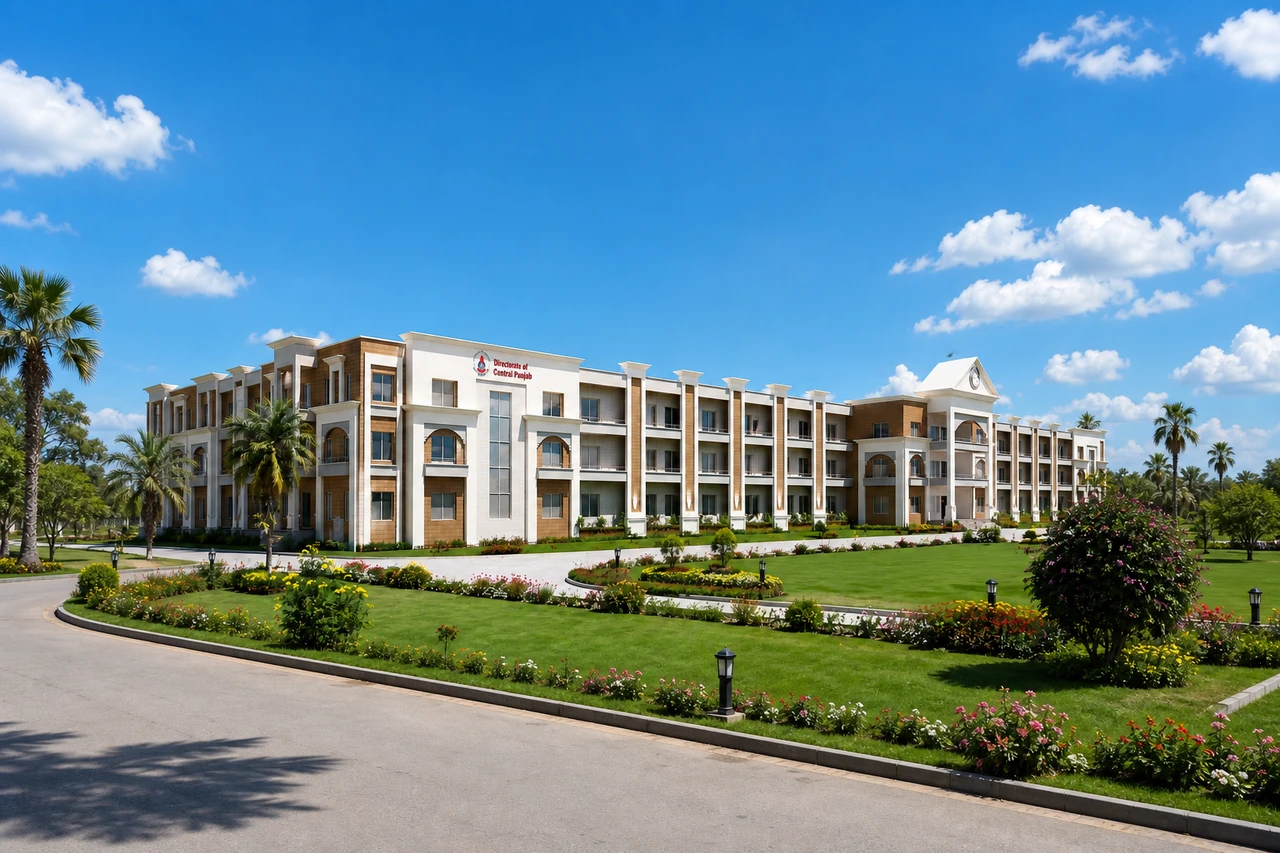
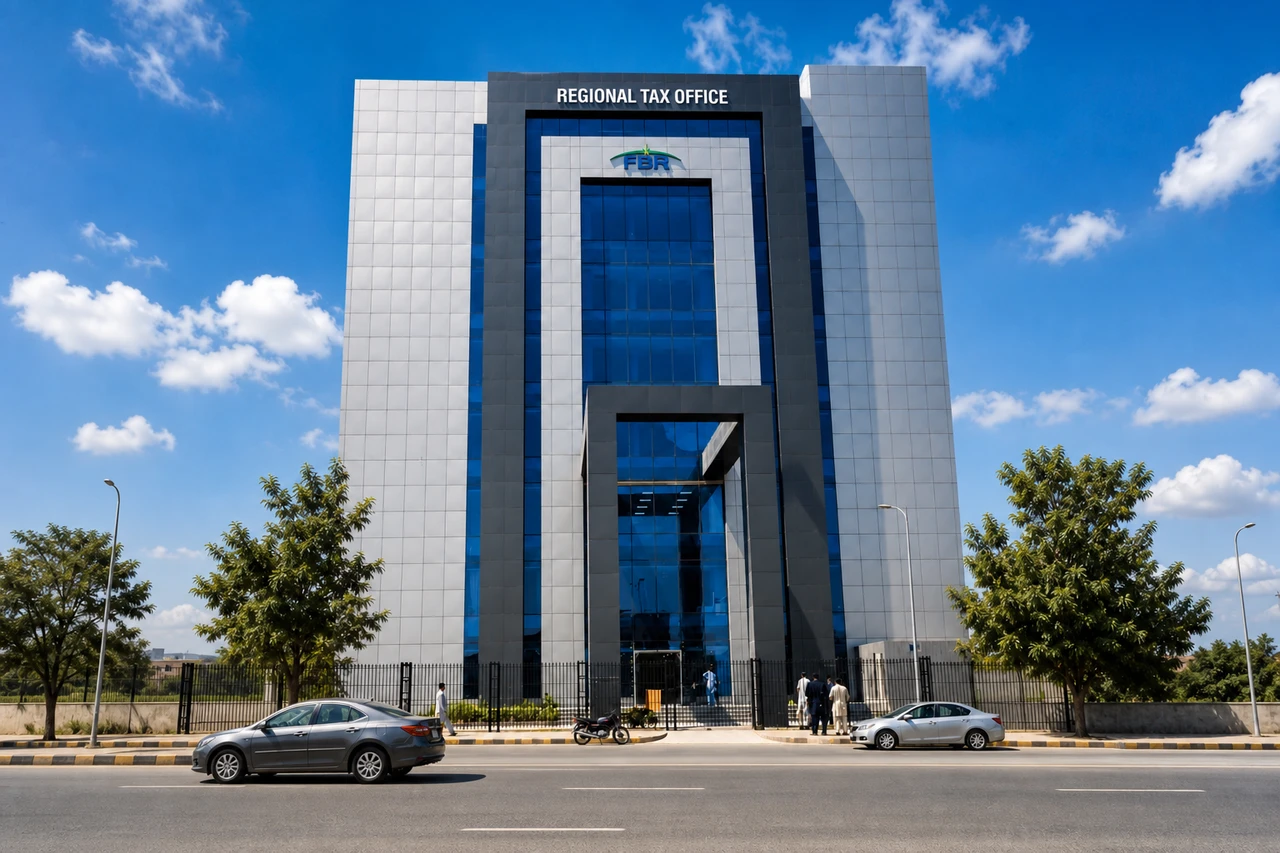
University of Central Punjab Institutional Facade Project by Pak Alumex

Factory Visit & Technical Audit

We invite international facade engineers, project consultants, and procurement managers to inspect our extrusion presses, anodizing chemical tanks, and laboratory testing facilities at 5km Painsra Road, Gojra, Faisalabad.

Industrial Partners & Chemical Suppliers

Coating, Chemical & Equipment Infrastructure

Our architectural anodizing and powder coating quality relies on world-class chemical bath formulations and precision mechanical systems.

SurTec surface treatment chemistry
Pulver powder coatings
Jotun architectural powder coatings
TKG Huchem chemical systems
Sitara Chemical supplier
Yue Xing mechanical equipment
Jiangsu Giantally equipment
Parco Gas supplier
Aluwell composite technologies
Eco-friendly Sustainable Aluminium Manufacturing at Pak Alumex
Sustainable Metal Finishing

Environmental Advantages of Anodized Aluminium Systems

An Aluminium Anodizing Finish represents one of the most environmentally sustainable architectural metal finishes available in modern construction engineering.

  • Zero VOCs & Solvent-Free Processing

    Anodizing is a water-based electrochemical process containing zero volatile organic compounds (VOCs), halogenated solvents, or heavy resins.

  • 100% Metal Recyclability Without Stripping

    Because the anodic layer is inert alumina, recycled extrusions can be melted directly back into billet form without generating hazardous ash or chemical fumes.

  • Multi-Decadal Service Life

    With simple periodic washing using plain water or mild pH-neutral detergent, Class I anodized facade profiles maintain structural integrity for 40+ years.

Direct Factory Procurement

Pak Alumex Aluminium Industries Manufacturing Complex

5km Painsra Road, Gojra, Faisalabad, Pakistan 36120. Engineering sales and technical support available for international buyers.

Request Profile Drawings, Anodizing Samples & Factory B2B Quotations

Submit your project section drawings, required film thickness specs (10-25µm), alloy temper requirements, and target quantity. Our technical team responds within 24 business hours.

Send an Inquiry