Blog

How to Choose the Best Aluminium Pergola System?

How to Choose the Best Aluminium Pergola System?

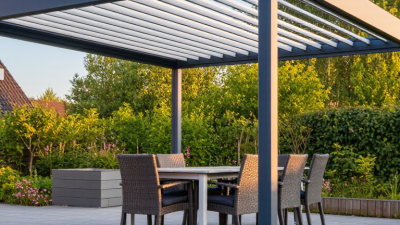
Choosing an aluminium pergola is not just a matter of style. It must suit your space, local weather, and the way you use your garden. A frame that looks elegant in a showroom may feel oversized beside a small patio. Details matter. Roof movement, shade, and rain drainage can shape everyday comfort. Aluminium Pergola Systems vary in structure, finish, and operation. Some use fixed louvres, while others let you adjust the blades to balance sunlight and shelter. Consider the opening size, post positions, and available clearance before comparing models. Check how water is directed from the roof, and ask what maintenance the finish requires. A textured coating may hide minor marks better than a glossy surface, but appearance alone does not establish durability. The best choice depends on the site, not simply the product description. Measure carefully, note nearby walls and doors, and consider how wind or strong sun affects the area. Measure twice. Then compare the manufacturer’s specifications, warranty terms, installation requirements, and available support. For complex sites, a qualified installer can identify practical constraints before purchase. This guide explains the key features to assess, the questions worth asking, and the trade-offs that can be easy to overlook. There is no perfect system for every home, and some choices involve compromise. The aim is a pergola that fits your space and routine, rather than one that only looks convincing in a brochure.
Read more »
Julian By:Julian - November 19, 2026
Top Aluminium Railing Systems Manufacturers in China

Top Aluminium Railing Systems Manufacturers in China

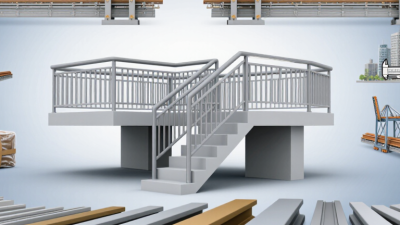
Aluminium Railing Systems are used on balconies, stairways, terraces, and commercial walkways. In China, manufacturers offer a wide range of profiles, finishes, and installation options. Comparing them takes more than looking at product photos or headline prices. The details matter. A useful supplier review checks alloy specifications, profile dimensions, surface treatment, and connection design. Ask how the company controls extrusion quality and coating consistency. Request drawings, finish samples, and relevant test documentation before approving a system. A smooth powder-coated rail may look durable, but sample inspection alone cannot confirm its long-term performance. That needs evidence. Manufacturing capacity is only part of the picture. Clear communication, accurate measurements, protective packing, and responsive technical support can affect a project just as much. Buyers should also confirm lead times and whether custom components are produced in-house or sourced elsewhere. These points are easy to overlook. They should not be. This guide introduces notable aluminium railing manufacturers in China and the practical differences buyers may encounter. It considers product range, customization, quality processes, and export experience, while recognizing that a strong fit depends on the project. No supplier is perfect for every site, and published information may not answer every question. Treat each profile as a starting point, then verify specifications directly with the manufacturer.
Read more »
Julian By:Julian - November 16, 2026
How to Choose Aluminium Office Partitions in 2026?

How to Choose Aluminium Office Partitions in 2026?

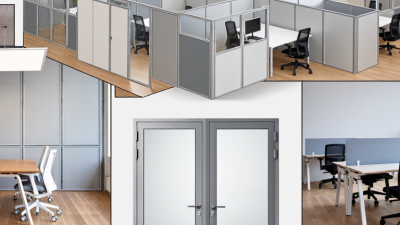
In 2026, choosing Aluminium Office Partitions is about more than dividing floor space. The right system can create quiet meeting rooms, give teams visual privacy, and still let daylight reach desks. The wrong one can make a bright office feel cramped. Small details matter: frame depth, door seals, glazing, acoustic ratings, and how easily panels can be moved when teams change. Gensler’s 2024 Global Workplace Survey drew on responses from more than 16,000 office workers across 15 countries. Its scale is a useful reminder: workplaces serve people with different tasks and preferences, not one ideal user. Workplace research director Janet Pogue McLaurin’s work offers a practical principle: plan the space around how people work, rather than starting with a product catalogue. That is a paraphrase, not a verbatim quotation. A named expert’s exact words should not be invented. Start with the work. Do staff need confidential calls, collaborative project rooms, or flexible touchdown areas? Then compare aluminium frames, glass options, acoustic performance, access to daylight, and installation requirements. Ask suppliers for tested acoustic data and clear specifications; attractive product photos prove little. Check whether doors close smoothly and seals meet cleanly. A small gap can undermine privacy. There is no perfect partition. Budget, building conditions, and future changes all impose trade-offs. This guide explains how to weigh them and choose a system that fits the office you have, not an imaginary one.
Read more »
Alistair By:Alistair - November 9, 2026
China Best Architectural Louver Systems Manufacturers?

China Best Architectural Louver Systems Manufacturers?

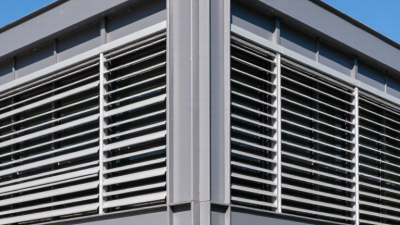
Choosing the right Chinese manufacturer for Architectural Louver Systems takes more than comparing catalog photos or quoted prices. Performance depends on details such as blade spacing, frame strength, finish quality, and how accurately each unit fits the project opening. China has a broad supplier base, but product ranges and production capabilities vary considerably. For a fair comparison, look for clear technical drawings, material specifications, documented quality checks, and relevant project references. Ask whether the supplier can explain airflow, rain resistance, wind-load considerations, and maintenance requirements for your intended application. A sample can reveal practical details: smooth blade edges, consistent coating, secure joints, and packaging that protects corners during transit. Small things matter. Manufacturers may offer aluminum, steel, fixed, or operable designs, along with custom dimensions and finishes. Confirm which features are produced in-house and which are outsourced. Lead times, communication, installation guidance, and after-sales support also deserve attention. A confident sales claim is not proof; request records or test evidence where applicable, and verify that the documents match the proposed model. Some information may be incomplete, even from an experienced supplier. That deserves a closer look. This guide introduces Chinese manufacturers and the questions buyers can use to assess them. Rather than naming one company as universally “best,” it focuses on evidence, project fit, and dependable service. The right choice should suit the building, climate, budget, and maintenance plan—not just the brochure.
Read more »
Julian By:Julian - November 4, 2026
Why Choose Spider Glazing Systems for Your Project?

Why Choose Spider Glazing Systems for Your Project?

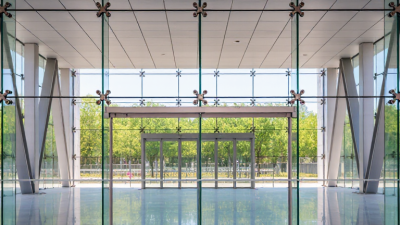
Spider Glazing Systems use point-fixed fittings to support glass panels while keeping conventional framing visually discreet. That matters. A clear façade can bring daylight into a lobby, open views toward the street, and make an entrance feel lighter. But the refined appearance depends on careful engineering, not attractive hardware alone. Wind loads and glass weight must transfer through the fittings into a suitable supporting structure. Connection positions, glass thickness, edge distances, movement, and installation tolerances all need coordinated review. Small details show. This approach can suit atriums, canopies, and public-facing façades where transparency is a design priority. It can also leave more glass edges and fittings exposed, making cleaning access, drainage, replacement methods, and weather performance important from the outset. Those questions are practical. Yet they are sometimes left too late. A framed façade may be a better fit where access is difficult, budgets are tight, or thermal targets are demanding. Compare long-term maintenance needs, not only the first impression. Ask qualified project professionals and suppliers for project-specific calculations, relevant tested details, and clear installation guidance. A full-scale mock-up can help reveal reflections, fitting visibility, and alignment issues before installation. Still, no system choice removes the need for site-specific assessment. The right decision depends on the building, its supporting structure, and the people who will maintain it.
Read more »
Eldric By:Eldric - October 30, 2026
What Is Double Glazed Curtain Walls and How Do They Work?

What Is Double Glazed Curtain Walls and How Do They Work?

Modern buildings are under pressure to use less energy while preserving daylight, comfort, and visual openness. The global building sector still represents about 30% of final energy demand and 26% of energy-related emissions, according to the International Energy Agency’s Buildings report. UNEP’s 2023 Global Status Report for Buildings and Construction also identifies building envelopes as important opportunities for reducing operational energy use. These figures explain why façade design deserves closer attention. Double-Glazed Curtain Walls use two glass panes separated by an insulating cavity. The cavity may contain air or inert gas, such as argon. Spacers and sealed edges help limit heat transfer and condensation. Low-emissivity coatings can reduce radiant heat movement. The outer and inner glass layers also influence daylight, solar gain, and acoustic performance. Small details matter here. A poorly sealed joint can undermine an otherwise advanced system. The working principle is simple, but the design process is not. ASHRAE’s Handbook—Fundamentals provides the thermal principles used to evaluate U-values, solar heat gain, and condensation risk. Project teams also use energy models, local climate data, and façade testing to check real performance. The International Energy Agency warns that efficiency gains depend on both design and operation. That point is easy to overlook. A façade may perform well in simulation, yet disappoint when shading controls, ventilation, or maintenance are neglected. This article examines how Double-Glazed Curtain Walls are assembled, how heat and light move through them, and where their practical limits deserve honest attention.
Read more »
Julian By:Julian - October 25, 2026
How to Choose the Best Unitized Curtain Wall Systems?

How to Choose the Best Unitized Curtain Wall Systems?

Choosing the best Unitized Curtain Wall Systems is not a simple specification exercise. It is a performance decision affecting energy, safety, installation speed, and long-term maintenance. The stakes are significant. The 2023 Global Status Report for Buildings and Construction, published by UNEP, reports that buildings and construction represented about 34% of global energy demand and 37% of energy-related and process carbon emissions. The façade cannot solve every building problem. It can, however, reduce avoidable heat transfer and air leakage. A reliable selection process should examine thermal transmittance, solar heat gain, air infiltration, water resistance, acoustic performance, structural movement, and fire safety. The National Institute of Building Sciences’ Whole Building Design Guide supports evaluating envelope components as part of the complete building system. That means checking glass, framing, anchors, gaskets, insulation, and interfaces together. Factory assembly can improve consistency, but transportation damage and site tolerances still require serious control. Small errors matter. Look closely at the details. ASTM E283, ASTM E331, and relevant AAMA or FGIA testing procedures can help verify air and water performance. Energy calculations should also reflect the project’s climate, orientation, shading, and occupancy patterns. A lower U-factor is not automatically the best answer. It may increase cost, weight, or installation complexity. That trade-off is easy to overlook. This guide will compare system design, testing evidence, supplier capability, lifecycle value, and installation risk. Some recommendations may need adjustment after mock-up testing. That is not a weakness; it is practical façade engineering.
Read more »
Alistair By:Alistair - October 15, 2026
10 Best Aluminium Curtain Wall Systems Suppliers

10 Best Aluminium Curtain Wall Systems Suppliers

Choosing reliable Aluminium Curtain Wall Systems suppliers can shape a building’s comfort, appearance, and long-term performance. The right system must handle wind pressure, rain, thermal movement, sunlight, and daily maintenance. It must also suit the project’s location and construction schedule. Modern façades are not simply glass surfaces with metal frames. They are carefully engineered building envelopes. Ludwig Mies van der Rohe, a pioneer of modern façade design, said, “Architecture is the will of an epoch translated into space.” His words remain relevant. Aluminium profiles, pressure plates, gaskets, glass units, and drainage paths must work together. Small installation errors can cause leaks, condensation, or visible alignment problems. This guide examines 10 leading suppliers of Aluminium Curtain Wall Systems. It considers product quality, engineering support, testing capability, customization, certifications, delivery reliability, and after-sales service. Some suppliers focus on unitized systems for tall buildings. Others provide stick-built solutions for flexible, smaller projects. A few combine curtain walls with sun-shading fins, thermal breaks, and integrated ventilation. No supplier is perfect. A strong product may still face delayed technical support. A competitive price may hide complex installation requirements. Project teams should request test reports, sample sections, warranty terms, and references from comparable buildings. Factory visits can also reveal practical details. Look closely at fabrication accuracy, sealant control, and packaging quality. This shortlist is a useful starting point, not a final verdict. Local codes, climate exposure, contractor experience, and project risk must influence the final decision. Performance matters. So does honest communication.
Read more »
Julian By:Julian - October 10, 2026
How to Choose Aluminium Casement Windows in 2026?

How to Choose Aluminium Casement Windows in 2026?

Choosing Aluminium Casement Windows in 2026 requires more than comparing frame prices. The right choice must balance thermal performance, ventilation, durability, security, and installation quality. The U.S. Department of Energy reports that windows can cause 25–30% of residential heating and cooling energy use. That figure makes specification important. Energy performance starts with measurable values. Check the U-factor, solar heat gain coefficient, air leakage, and water resistance. A thermally broken aluminium frame can reduce heat transfer through the metal profile. Low-emissivity double or triple glazing may improve comfort further. However, extra glass layers are not automatically better. Local climate, window orientation, shading, and ventilation habits still matter. The IEA’s Energy Efficiency 2024 report highlights the continuing importance of reducing building energy demand. The UNEP Global Status Report for Buildings and Construction also identifies buildings as a major source of global energy consumption and emissions. These reports support a practical approach: select efficient products, then verify their installation. A strong frame can perform poorly around an unsealed reveal. Look closely at the details. Open and close the sash several times. Check hinge movement, drainage slots, gasket contact, corner joints, and handle resistance. Ask for tested performance data, not broad marketing language. Confirm glass specifications and hardware warranties in writing. No checklist is perfect. Aluminium Casement Windows may still show condensation if indoor humidity is high or ventilation is weak. Poor decisions happen when appearance receives more attention than building exposure. In 2026, the best selection is not simply the thinnest frame or the lowest quote. It is the system that performs reliably in the actual building, climate, and daily routine.
Read more »
Julian By:Julian - October 5, 2026
What Is an Aluminium Bi Fold Door?

What Is an Aluminium Bi Fold Door?

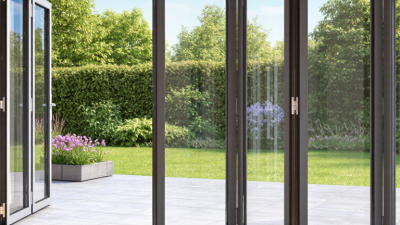
An Aluminium Bi-Fold Door is a glazed door system made with slim aluminium frames and several connected panels. Each panel folds and slides along a track. When opened, the panels stack neatly beside the frame, creating a wide connection between a room and its garden, balcony, or terrace. Ben Brocklesby, Director at Origin Global, describes the appeal clearly: “Bi-fold doors are about creating a connection between the inside and outside.” That connection is more than a visual effect. Daylight reaches deeper into the room. Fresh air moves through a larger opening. A closed set of panels can also provide security, weather resistance, and thermal insulation when properly designed. The aluminium frame matters. It offers strength without requiring thick sightlines. Powder-coated finishes can provide colour consistency and easier maintenance. High-quality rollers should move smoothly, even when the panels are large and heavy. The track must also be installed accurately. A small alignment error may cause stiff movement or uneven gaps. This definition is useful, but incomplete. Not every Aluminium Bi-Fold Doors system performs equally well. Glass specification, drainage, hinges, seals, locking hardware, and installation quality all influence the result. A beautiful showroom display can hide practical weaknesses. Check the product’s tested weather performance and thermal data before choosing. The following guide explains how these doors work, where they suit different properties, and which details deserve careful attention. Their appeal is immediate. Their long-term value needs closer inspection.
Read more »
Julian By:Julian - September 30, 2026
How to Choose Wood Texture Aluminium Profiles?

How to Choose Wood Texture Aluminium Profiles?

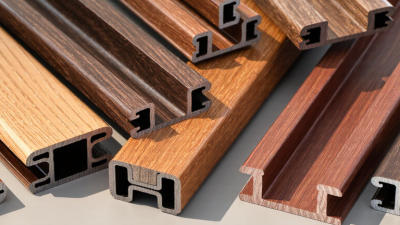
Choosing Wood Texture Aluminium Profiles involves more than matching a color to a catalog image. The right profile should suit the project’s use, appearance, and installation conditions. A warm oak effect may complement interior cabinetry, while a darker grain can create contrast around windows or screens. Yet photographs can hide differences in gloss, texture, and color. Samples help. View them in the space where they will be installed, under both daylight and artificial light. Start by considering the profile’s dimensions, shape, and intended application. Check whether the surface pattern looks consistent across the lengths you need, especially at corners and joints. Ask the supplier how the wood effect is applied and request clear product specifications for the finish, coating, and recommended care. If the profiles will face strong sun, moisture, or frequent handling, confirm that the selected finish is suitable for those conditions. Do not assume every wood-look surface performs the same way. Small details matter. Grain direction, edge appearance, and the way profiles meet can affect the finished result more than a close color match. When comparing options, inspect a physical sample and review installation guidance with the fabricator or supplier. That takes checking. It may feel fussy, but replacing a finish after installation is rarely simple. A thoughtful choice balances visual character with practical requirements, while leaving room to question assumptions made from a screen or a brief product description.
Read more »
Julian By:Julian - September 25, 2026
Top 10 Architectural Aluminium Extrusion Suppliers?

Top 10 Architectural Aluminium Extrusion Suppliers?

Choosing among the Top 10 Architectural Aluminium Extrusion Suppliers requires more than comparing price lists. A reliable supplier must control billet quality, die precision, surface finishing, thermal-break assembly, testing, and delivery consistency. On a real façade project, a two-millimetre profile variation can disrupt corner joints, glazing alignment, and installation schedules. Small errors become expensive quickly. The market is expanding. The International Aluminium Institute projects global aluminium demand could rise from approximately 86 million tonnes in 2020 to 180 million tonnes by 2050. The U.S. Geological Survey reported about 70 million tonnes of primary aluminium production worldwide in 2023. These figures suggest strong long-term demand, but they do not prove that every extrusion company offers dependable architectural performance. Some market estimates also differ. That deserves caution. Tom Dobbins, President and CEO of the Aluminum Association, has described aluminium as “essential to the modern economy.” The statement is brief. Its practical meaning is broader: material selection must consider durability, recyclability, structural performance, and lifecycle value. This guide evaluates leading Architectural Aluminium Extrusion suppliers through those criteria. It considers certifications, recycled content, alloy control, machining capability, powder coating, anodizing, engineering support, and regional logistics. Supplier scale matters. So does responsiveness when a custom die needs correction. The final ranking should not be treated as permanent. Production capacity, energy costs, sustainability disclosures, and service quality can change. Buyers should verify current certificates, test reports, lead times, and project references before signing contracts.
Read more »
Eldric By:Eldric - September 18, 2026