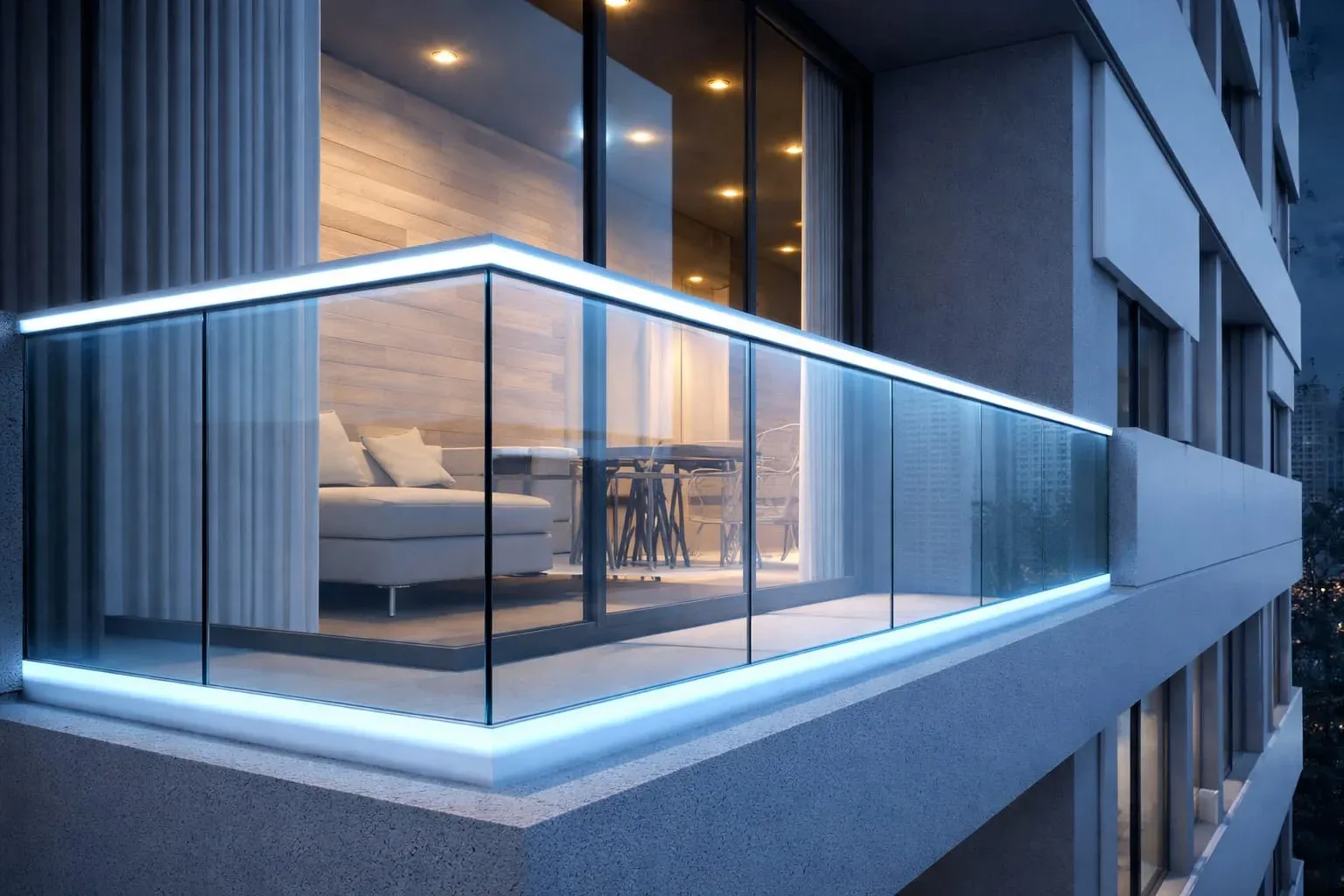
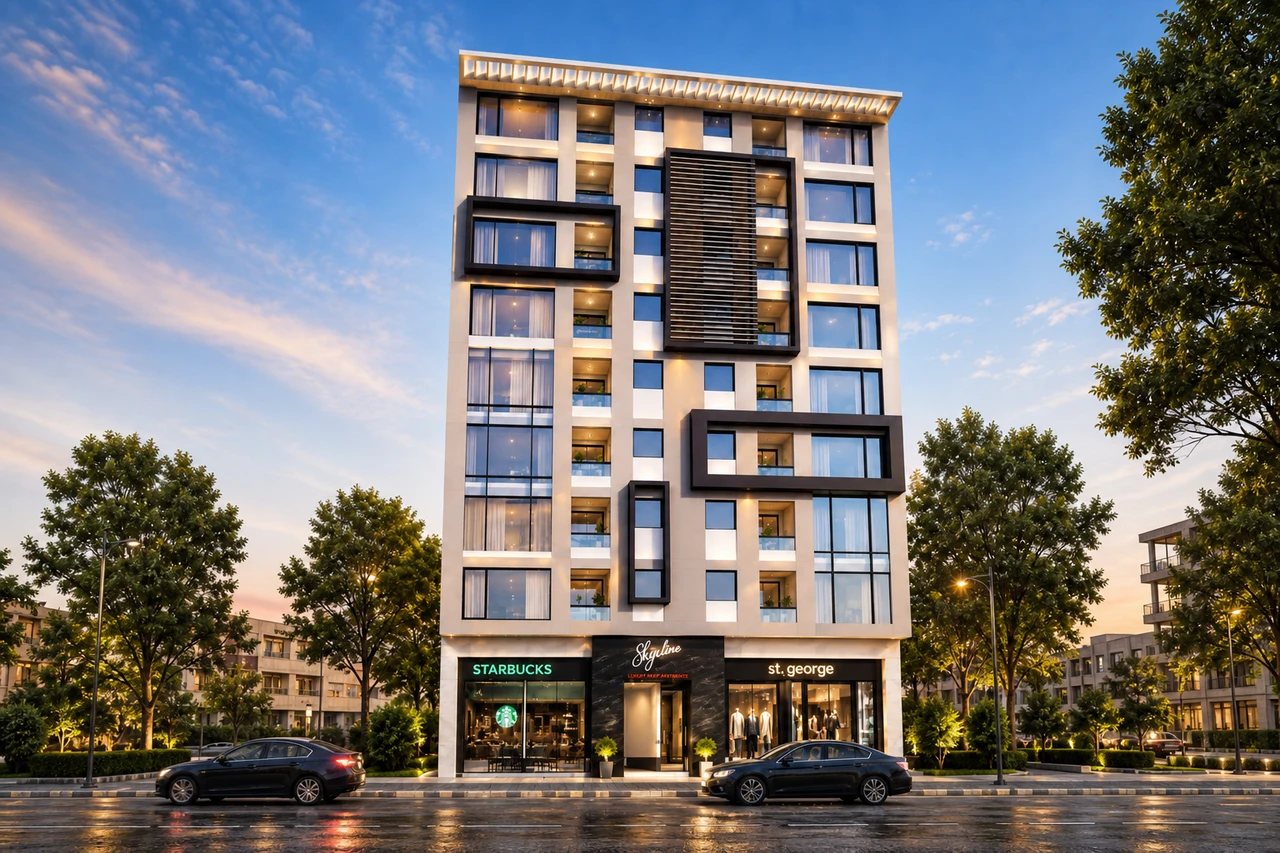
Unitized Curtain Wall Systems
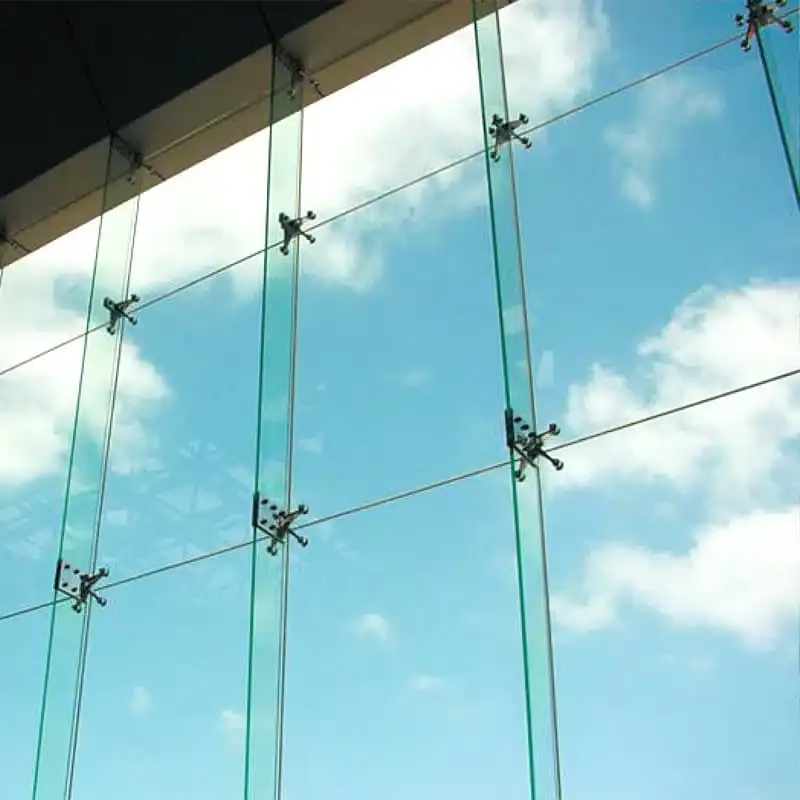
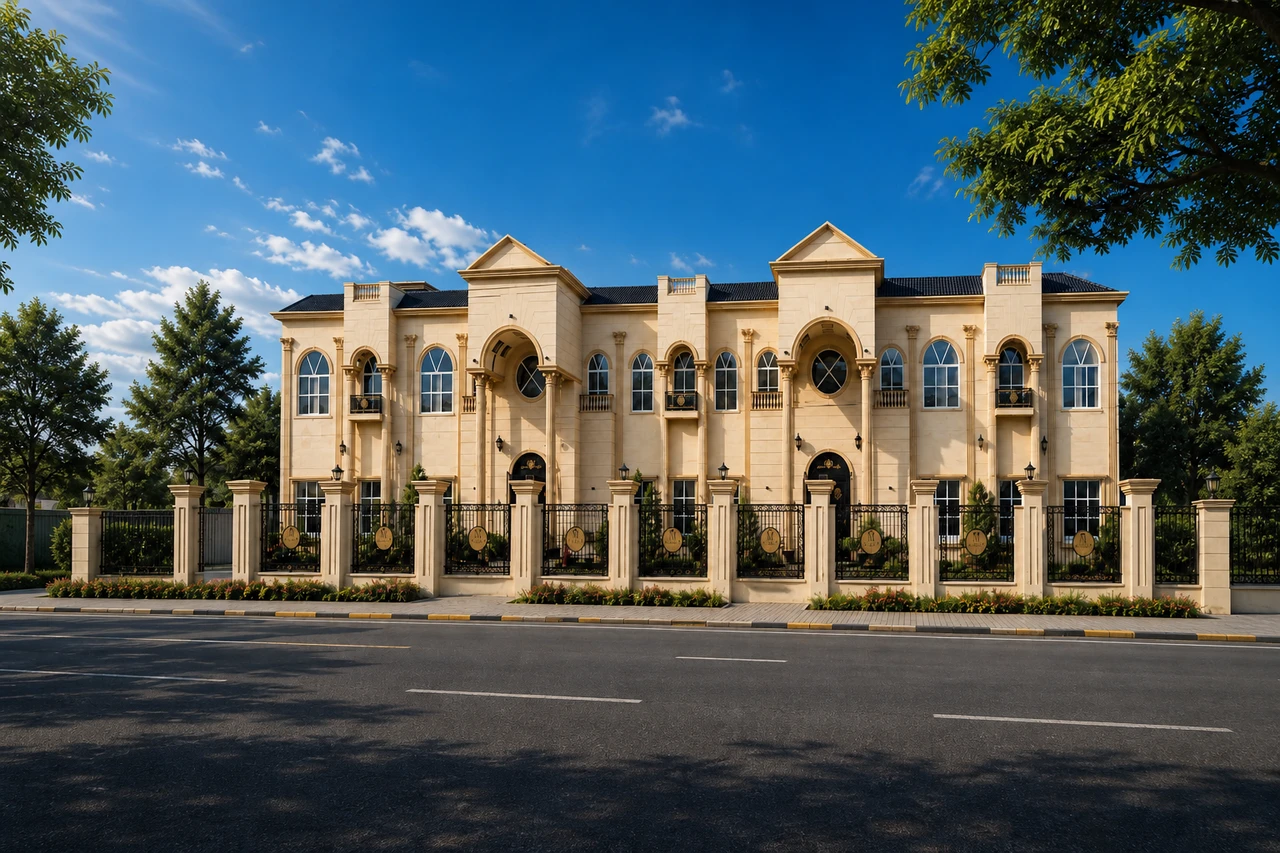
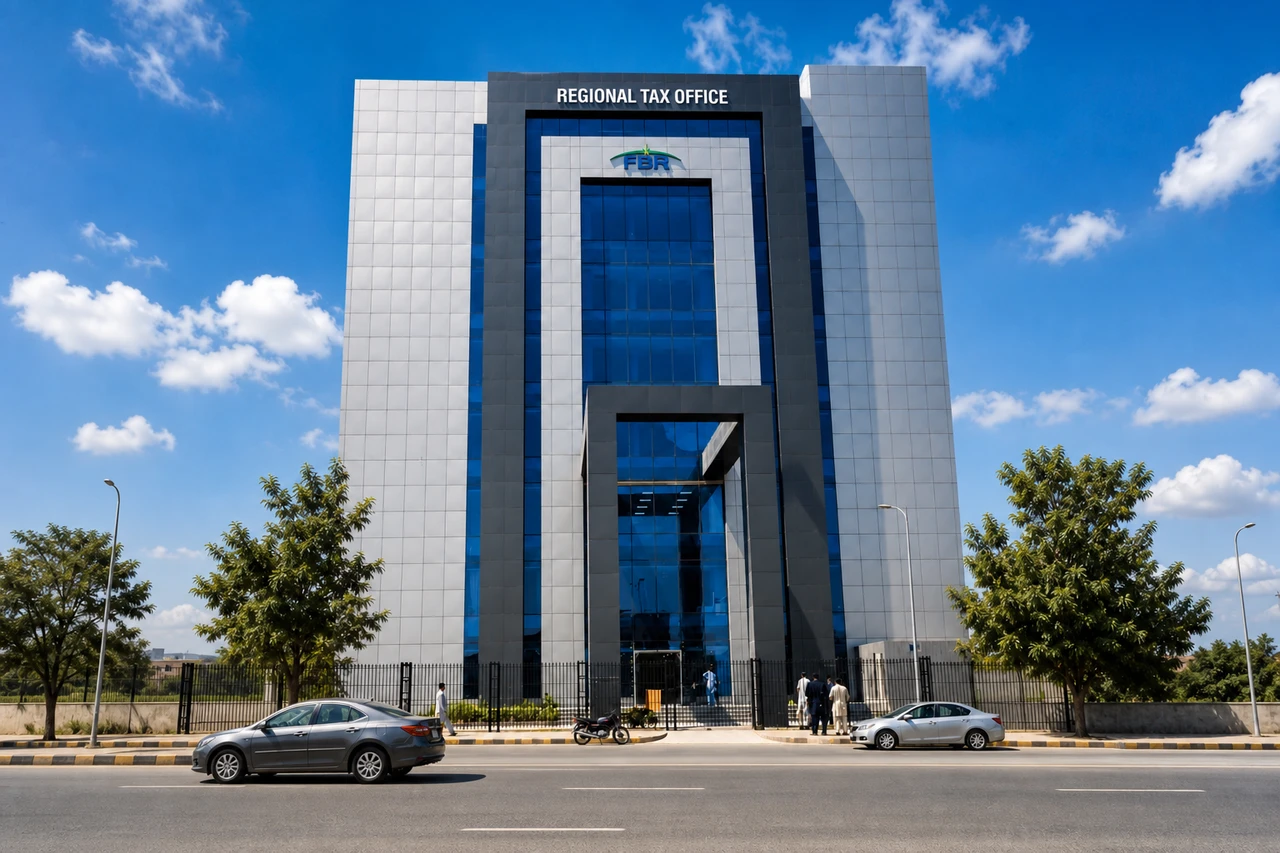
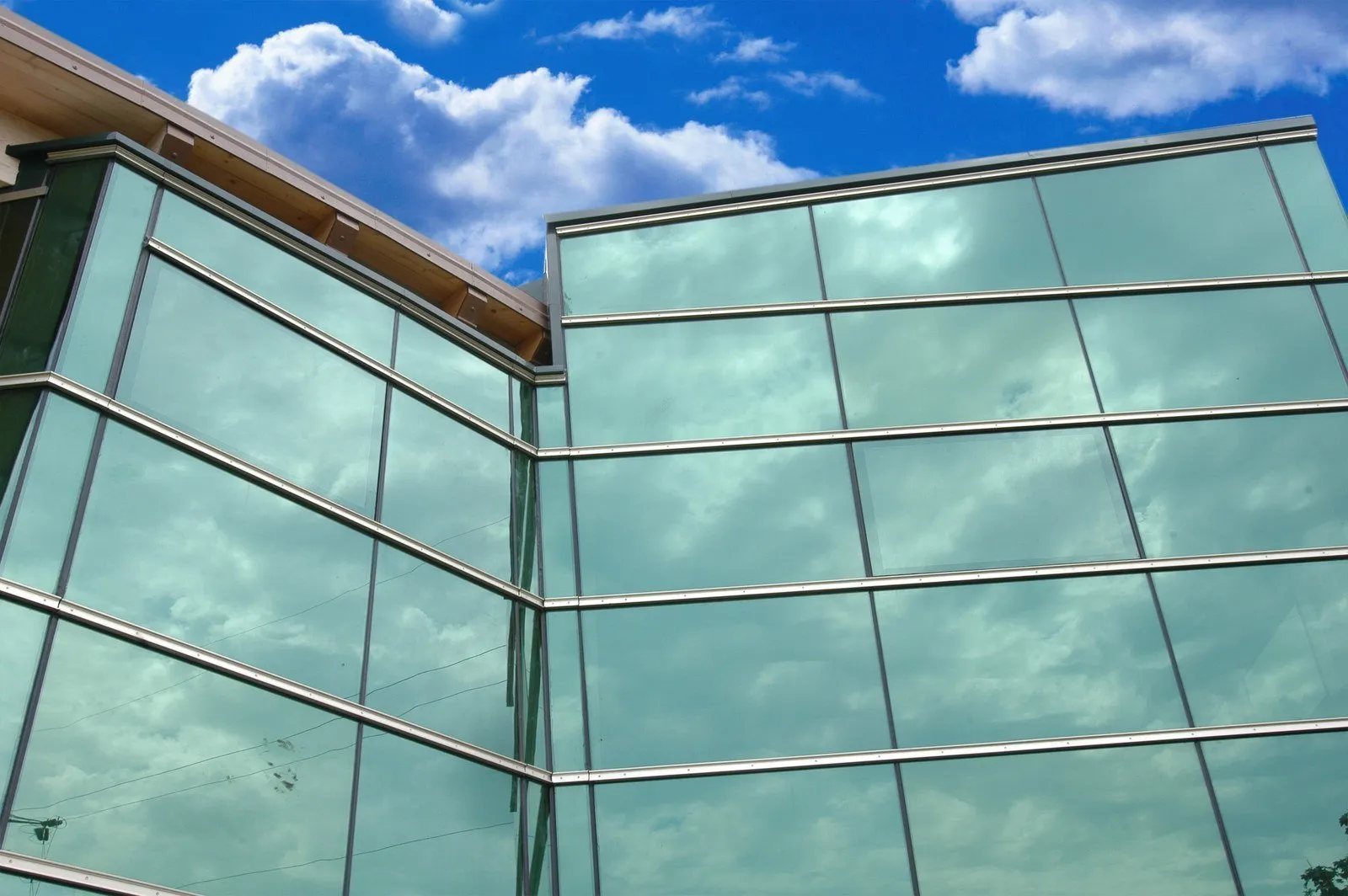
High-span architectural cassettes extruded in 6063-T6 alloy, powder-coated to AAMA 2604 standards for uniform color match across large glass tower elevations.
- 6063-T6 Alloy
- AAMA 2604 SDP
- Split Mullion Interlock
Qualicoat & AAMA Certified Powder Finishing · 6063 Billet Extrusion
Pak Alumex Aluminium Industries operates an integrated production complex on Painsra Road, Gojra, Faisalabad. By housing billet heating, profile extrusion, automated vertical powder coating, and thermal-break assembly on a single footprint, we eliminate third-party handling risks and guarantee total quality control.
For commercial façade engineers, general contractors, and global procurement directors, selecting the correct surface finishing standard is as vital as structural load calculations. Aluminium powder coating is an advanced electrostatic polymer application process that converts dry thermosetting resin into a cross-linked, protective barrier over 6063 aluminium extrusions.
The operational service life of any powder-coated aluminium section is dictated by the chemical bond established at the substrate interface. Untreated aluminum rapidly forms a dynamic, non-uniform natural oxide layer that traps air and microscopic contaminants, leading to insidious filiform corrosion and inter-coat delamination under environmental stress.
At Pak Alumex, our electrostatic powder line incorporates an automated multi-stage immersion and spray pre-treatment tunnel. We utilize non-chromated titanium-zirconium (Ti-Zr) conversion technology supplied by global chemical leaders like SurTec and TKG-Huchem. The chemical sequence involves:
Following pre-treatment drying, 6063-T5 or T6 extrusions enter the automated electrostatic coating booth equipped with negative-corona spray guns. Powder particles receive an electrostatic charge ranging from -30 kV to -80 kV, causing them to atomize and follow electric field lines straight to the grounded aluminium profiles.
Once coated, the extrusions pass into a convection curing oven maintained at a strict thermal curve (180°C to 200°C metal temperature for 15 to 20 minutes). During this thermal envelope, the resin melts, flows into a continuous liquid film, and undergoes an irreversible chemical reaction (cross-linking) with TGIC-free curing agents or hydroxyalkylamides (HAA).
Pak Alumex maintains strict statistical process control (SPC) across all profile faces. Primary visual and weathering surfaces receive a controlled dry film thickness of 60 to 80 microns (μm). This specific range eliminates "orange peel" aesthetic defects while guaranteeing zero micro-porosity for maximum chemical and moisture isolation.
When issuing B2B procurement tenders, international buyers must align profile coating specifications with localized environmental conditions. Below is the technical performance breakdown utilized by Pak Alumex engineers:
| Specification Standard | Resin Chemistry Class | Target Film Build (DFT) | South Florida UV Exposure | Salt Spray Resistance (ISO 9227 / ASTM B117) | Recommended Application Environment |
|---|---|---|---|---|---|
| Qualicoat Class 1 / AAMA 2603 | Standard Durability Polyester | 60 – 80 µm | 1 Year (Minimal Color Shift) | 1,000 Hours Neutral Salt Spray | Interior partitions, low-rise residential fenestration, mild inland climates. |
| Qualicoat Class 2 / AAMA 2604 | Superdurable Polyester (SDP) | 60 – 80 µm | 5 Years (>30% Gloss Retention) | 3,000 Hours Neutral Salt Spray | High-rise commercial curtain walls, institutional facilities, urban facades. |
| Qualicoat Class 3 / AAMA 2605 | Fluoropolymer (FEVE / PVDF) | 60 – 90 µm | 10 Years (>50% Gloss Retention) | 4,000+ Hours Neutral Salt Spray | Severe marine coastal zones, heavy industrial atmosphere, landmark structures. |
Pak Alumex produces fully engineered profile systems complete with matching accessories, high-grade EPDM gaskets, thermal break polyamide strips, and hardware prep. Explore our core powder-coated product categories below.
High-span architectural cassettes extruded in 6063-T6 alloy, powder-coated to AAMA 2604 standards for uniform color match across large glass tower elevations.
Pressure-equalized mullions and transoms with polyamide thermal break crimping. Powder-coated in dual-tone RAL shades for interior/exterior aesthetic separation.
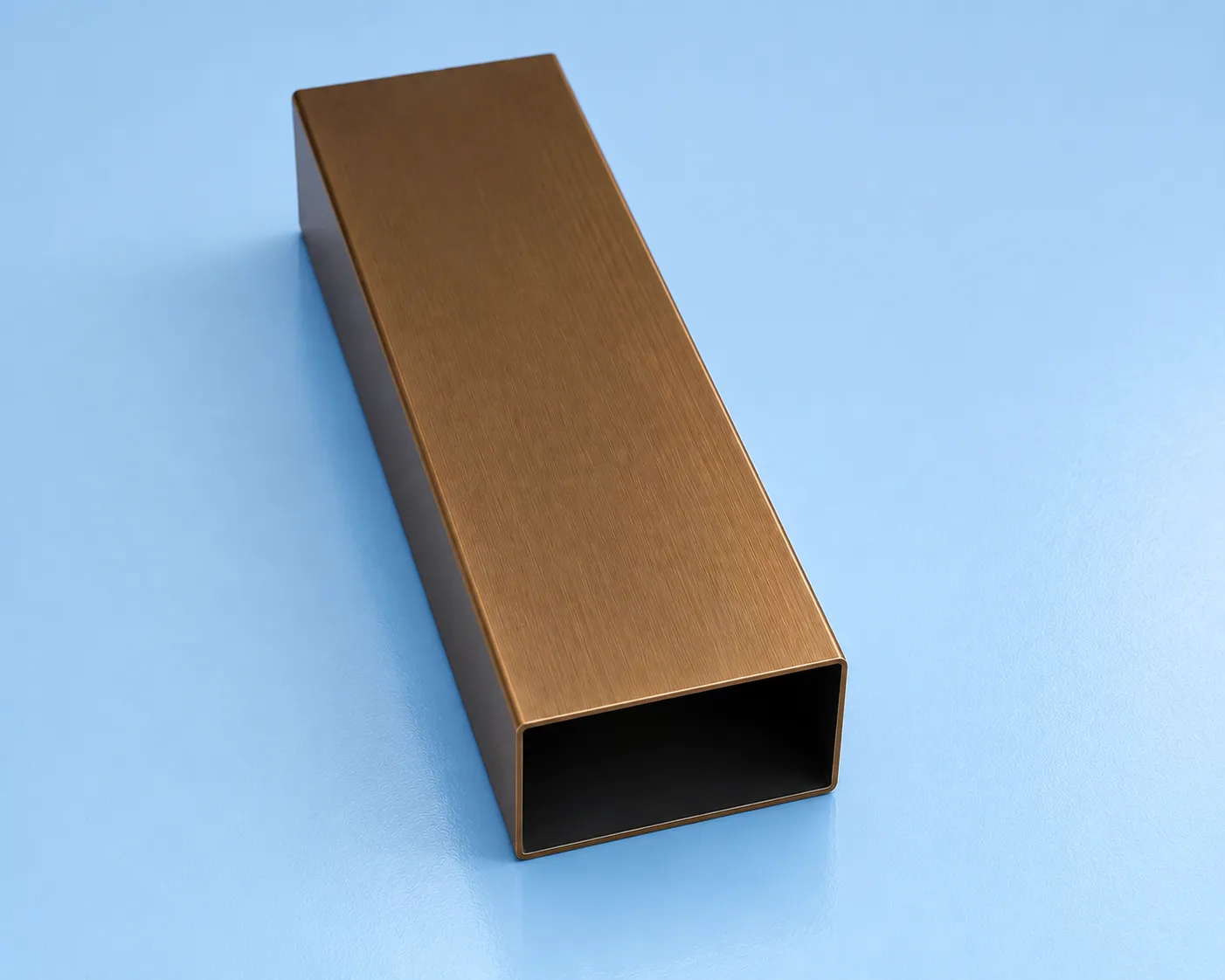
Heavy-duty structural aluminum support columns finished in micro-textured metallic powder coat, designed for maximum atrium transparency and strength.
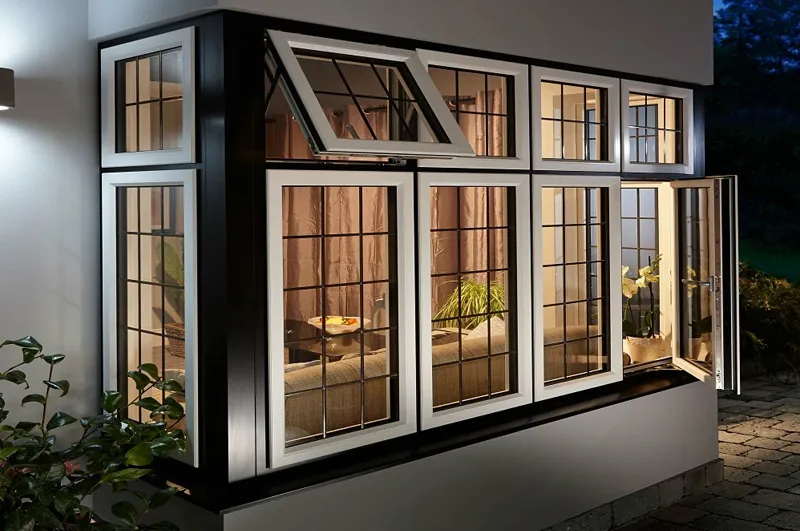
Precision-milled window extrusions featuring continuous double EPDM seals, multi-point lock punchings, and UV-resistant powder coat options.
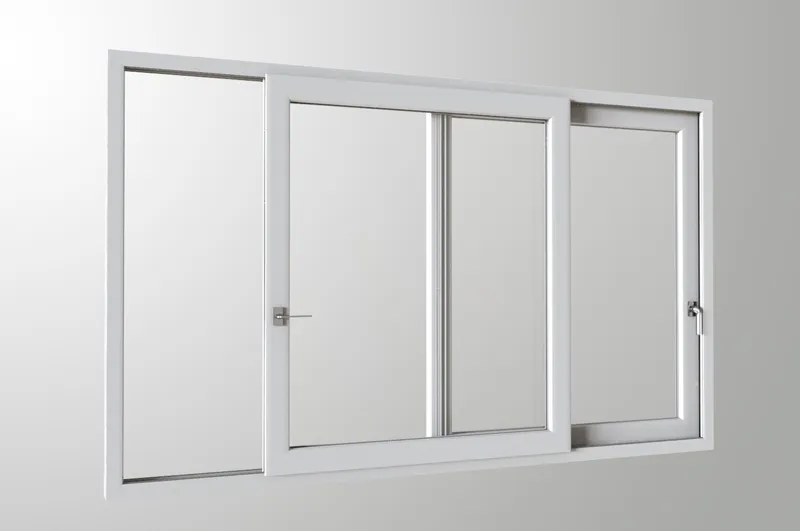
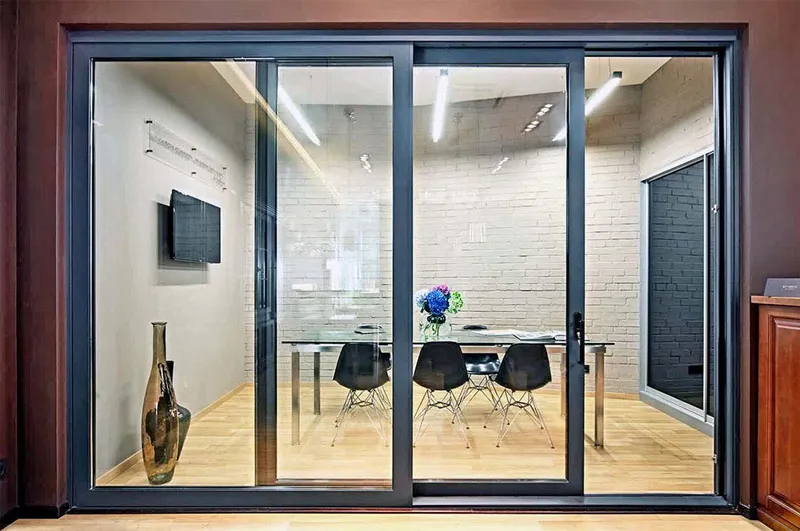
Multi-track sliding frames engineered with deep drainage channels and reinforced interlockers, powder-coated in matte RAL 7016 Anthracite Grey or custom shades.
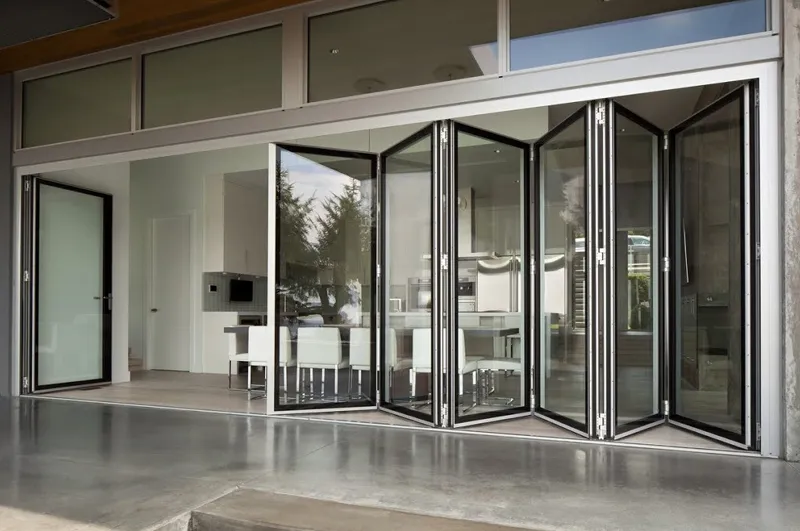
Wide-span folding door leaf sections capable of accommodating heavy glass loads. Powder-coated with abrasion-resistant resin for track roller longevity.
Monumental sliding door sections designed for luxury residential and commercial balconies. Powder-coated with superdurable polyesters for salt air endurance.
Fixed and operable louver blades providing building envelope ventilation, equipment screening, and solar shading with corrosion-free powder coating.
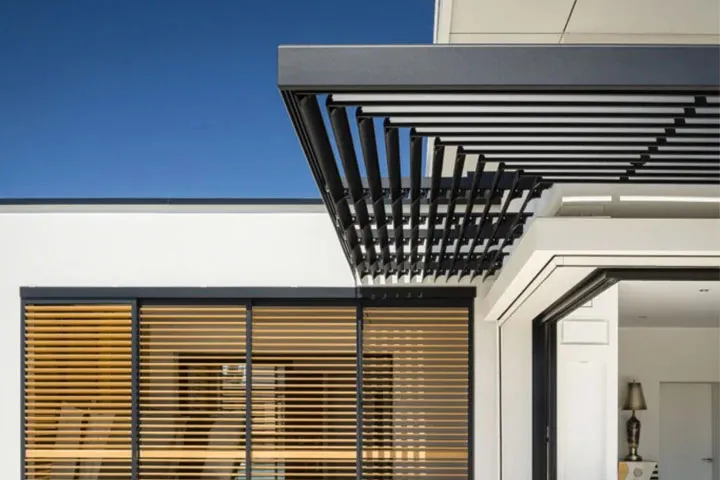
Extruded vertical and horizontal sunshade fins that lower solar heat gain coefficient (SHGC) while enhancing exterior facade depth and texture.
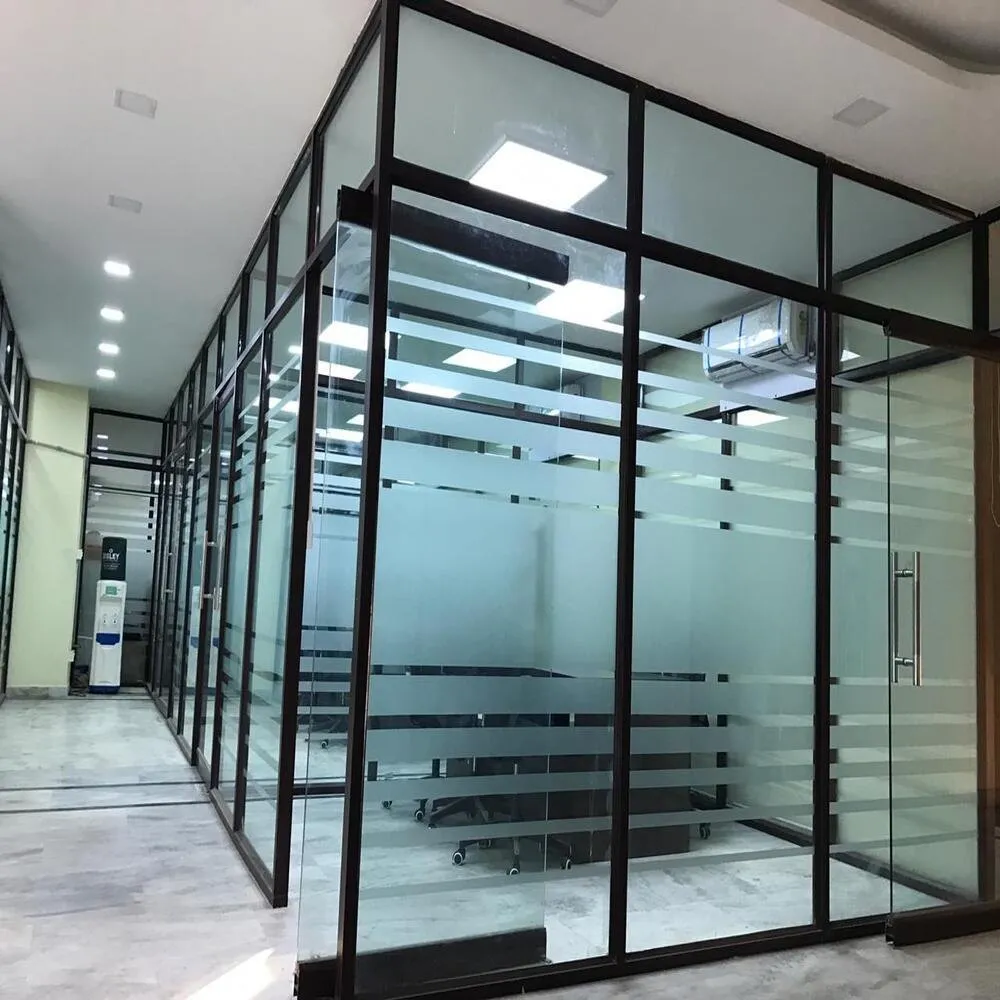
Slimline interior partition profiles powder-coated in satin white, fine-textured black, or anodized-look metallic powders for corporate fit-outs.
Structural base shoe and post-and-rail extrusions meeting rigorous impact safety codes. Finished in high-durability powder to resist hand oil and abrasion.
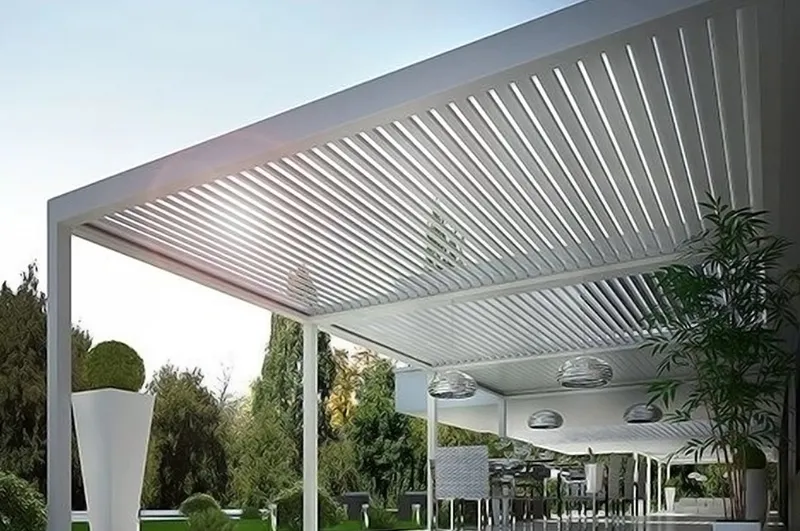
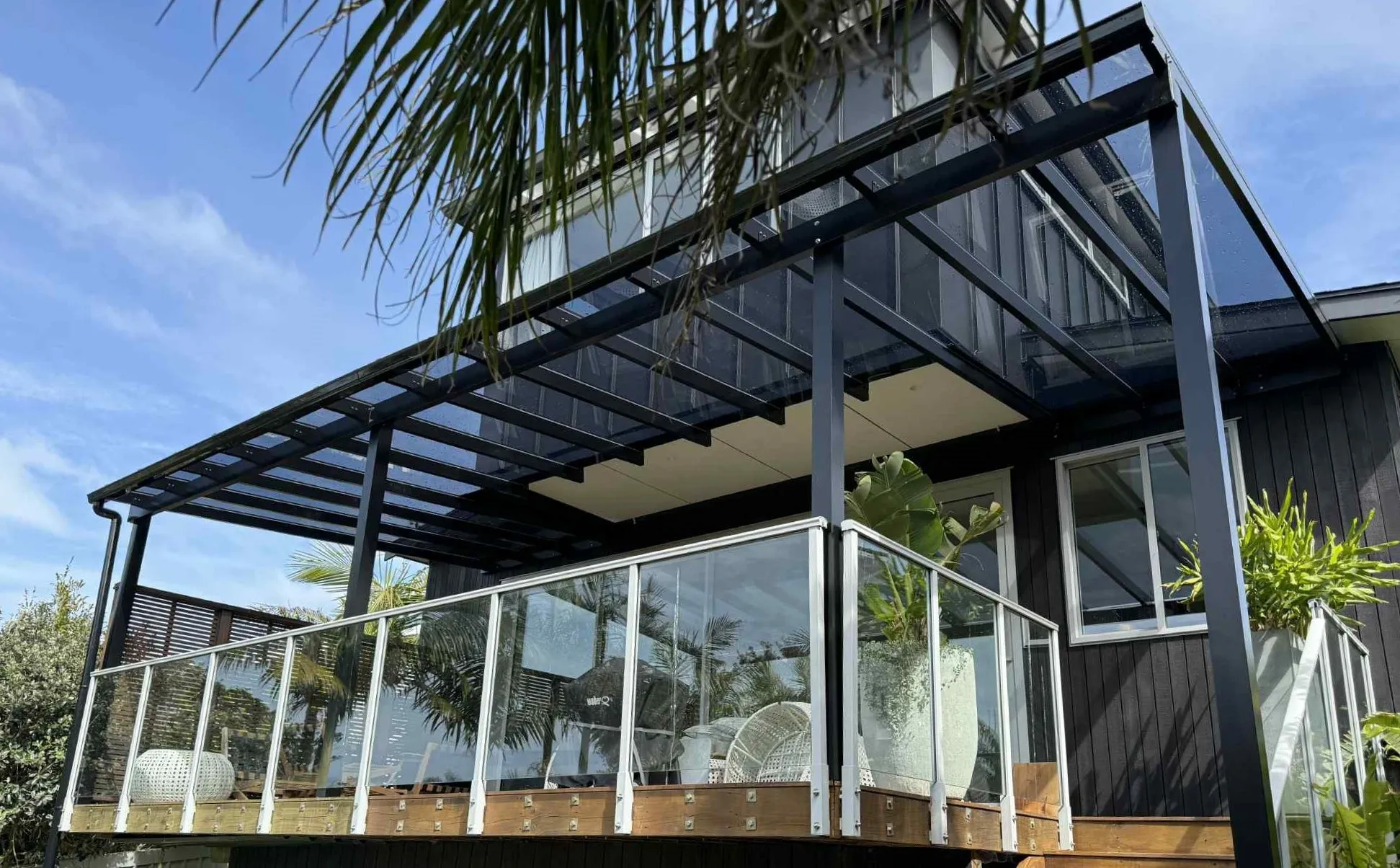
Extruded aluminum beam, column, and motorized roof blade sections designed for outdoor living structures. Weatherproof powder coat prevents chalking and rust.
As global building standards evolve toward carbon-neutral construction, non-toxic manufacturing, and extreme climatic resilience, B2B buyers must anticipate how powder coating technologies are changing over the next decade.
Traditional architectural powder coatings require oven temperatures around 200°C for 15-20 minutes, consuming substantial thermal energy (natural gas or electricity). Next-generation powder formulations utilize ultra-reactive low-bake polyesters curing at 150°C to 160°C.
Procurement Impact: Reduces the embodied energy (CO2e/kg) of extruded aluminum profiles by 18% to 24%, enabling developers to earn higher LEED v4.1 and BREEAM sustainability credits without sacrificing film hardness or corrosion performance.
Environmental regulations worldwide (REACH, US EPA) are accelerating the total prohibition of hexavalent chromium pre-treatments and per- and polyfluoroalkyl substances (PFAS) in fluoropolymer additives. Modern suppliers must transition to 100% zirconium-titanium conversion coatings.
Procurement Impact: Pak Alumex already operates a 100% chromate-free pre-treatment line, ensuring zero regulatory risk, zero toxic effluent discharge, and full compliance for international project importation.
Historically, solvent-based PVDF wet spray painting was mandatory for severe commercial tower requirements. Modern Qualicoat Class 2 and Class 3 powder chemistries now achieve matching gloss retention and color fastness without toxic solvent evaporation (VOCs).
Procurement Impact: Powder coating delivers 100% overspray reclaim efficiency in production, resulting in 15% to 30% lower material unit costs compared to solvent wet paints while providing superior edge coverage and impact strength.
Global contractors are moving away from manual color-matching sign-offs toward digital CIELAB color-space measurement and cloud-logged curing furnace thermal profiles.
Procurement Impact: Every production bundle shipped from Pak Alumex includes a batch quality certificate detailing mean film thickness (DFT), cross-hatch adhesion scores, and Spectrophotometer Delta-E (ΔE < 0.5) readings to ensure perfect batch-to-batch consistency.
Selecting between thermo-cured powder coating, electrochemical anodizing, and wood grain sublimation depends on project aesthetics, exposure severity, maintenance budgets, and structural alloy selection.
60–80 µm electrostatically applied polyester/fluoropolymer film. Unlimited RAL colors, micro-textures, matte, and metallic finishes with superior impact and edge durability.
Explore Powder Coating Tech →
10–25 µm electrochemical oxide layer grown into the metal. Unmatched metallic depth in silver, champagne, bronze, and black with total immunity to filiform lifting.
Explore Anodizing Tech →
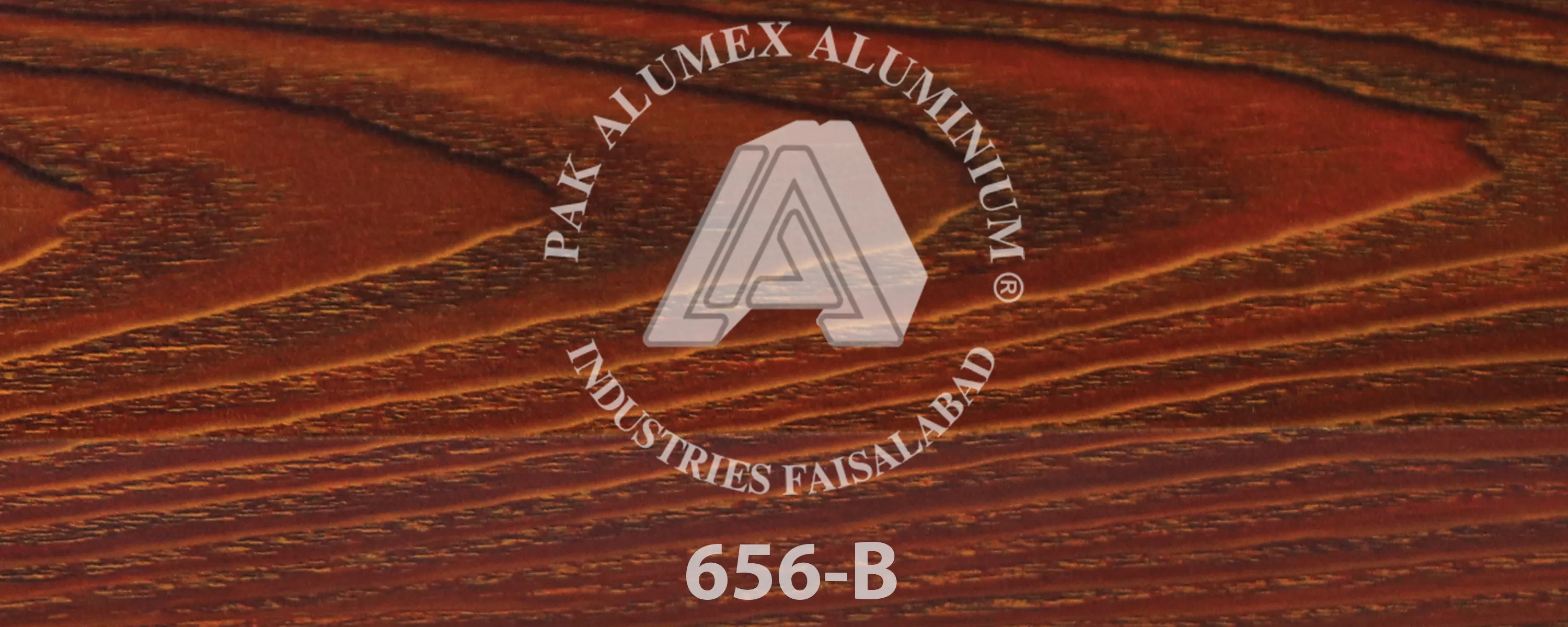
High-vacuum heat transfer of natural timber grain over a powder coat base. Provides natural oak, teak, and walnut aesthetics with zero warping or rot.
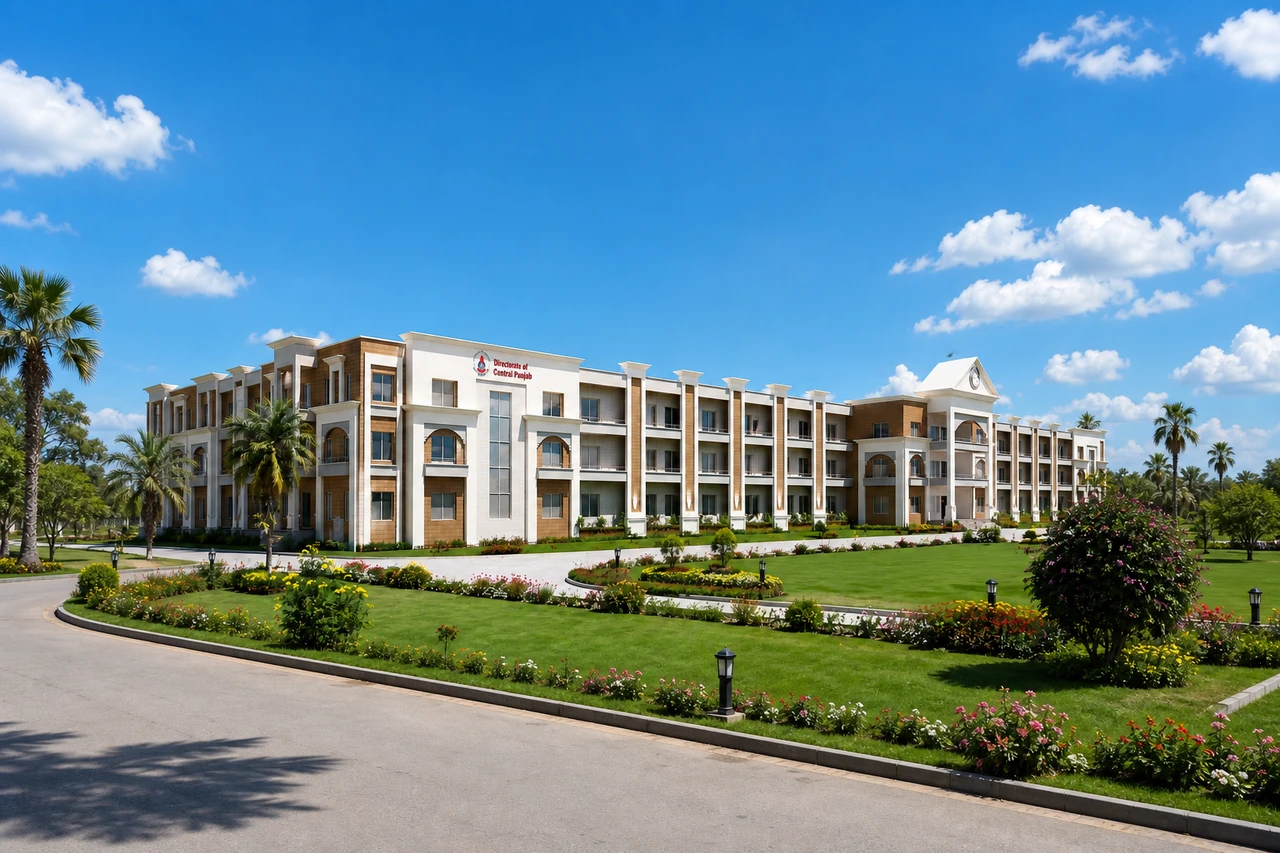
Explore Wood Grain Tech →Our powder-coated aluminium extrusions have been specified and installed across landmark commercial towers, government administrative centers, luxury hospitality developments, and retail complexes.
Structural 6063-T6 curtain wall extrusions powder-coated in custom metallic superdurable polyester, engineered for high wind pressure and coastal air resistance.
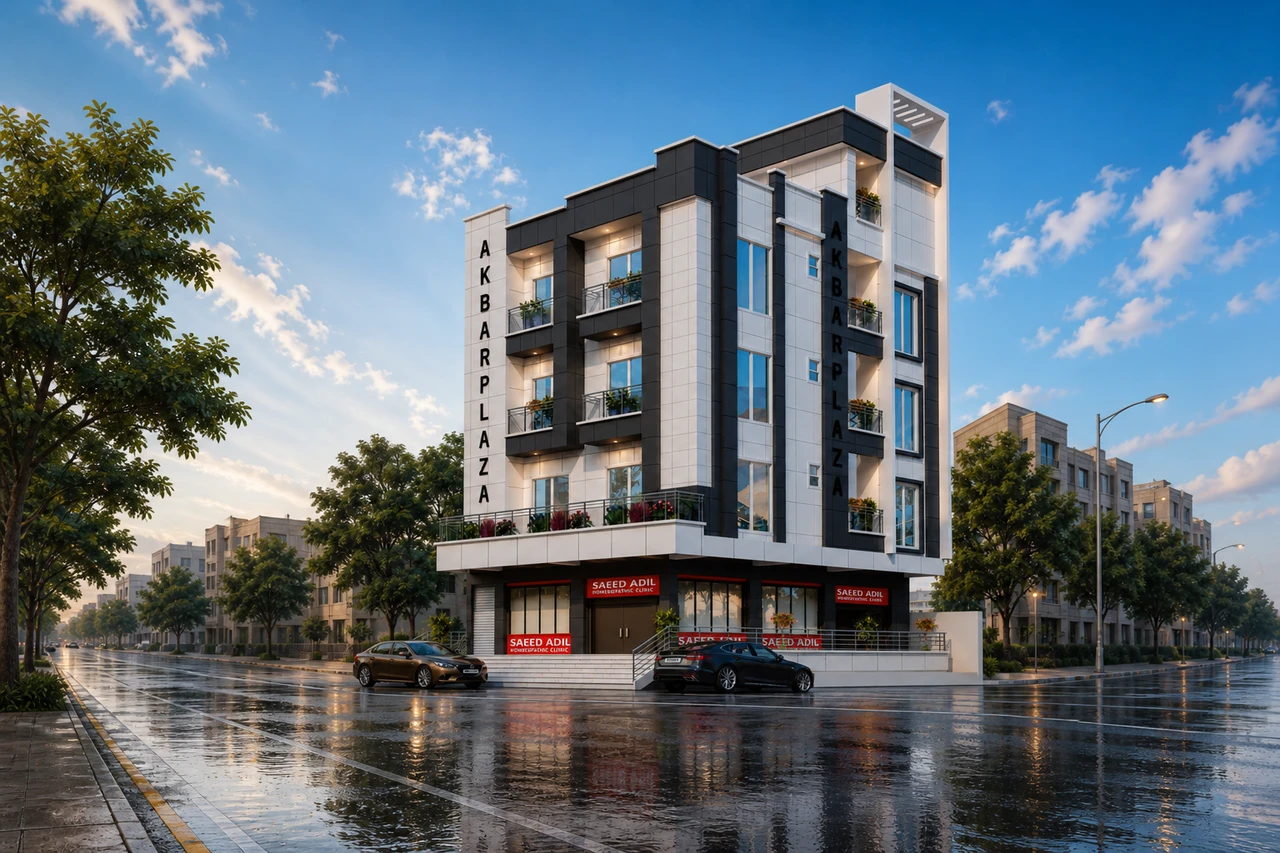
Commercial stick curtain wall framing and structural louvers finished in matte RAL powder coating, strictly inspected for color uniformity and film build.
Custom arched window extrusions and decorative facade profiles powder-coated in ivory-cream architectural finish for historic structural elegance.
Heavy-duty ground-floor shopfront extrusions and upper-story sliding window systems finished in scratch-resistant textured bronze powder coat.
Sub-standard powder coating leads to premature chalking, filiform corrosion, and costly site remediation. Pak Alumex eliminates risk through integrated manufacturing and stringent laboratory batch releases.
Before extruding, our engineering team reviews your CAD drawings for wall thickness ratios, die land lengths, and thermal break crimp integrity to guarantee dimensional accuracy.
We partner exclusively with global chemical leaders (SurTec, TKG-Huchem) and powder suppliers (Jotun, Pulver) to ensure zero toxic chromium emissions and 100% film adhesion.
Every coating lot undergoes cross-hatch tape adhesion (ASTM D3359), direct impact testing (ASTM D2794), MEK solvent rub curing verification, and digital film build gauging.
Extrusions are wrapped with protective interleaving film, bundled in sturdy timber crates, and documented for seamless container shipping from Karachi port to worldwide destinations.
Standard T5 temper for easy fabrication; T6 temper for high-load structural curtain wall mullions.
Formulated and cured to satisfy rigorous international architectural powder coat specifications.
Our powder coating quality rests upon raw materials and plant equipment supplied by world-leading industrial chemical and coating manufacturers.


Unlike liquid solvent paints that release harmful Volatile Organic Compounds (VOCs) and Hazardous Air Pollutants (HAPs) into the atmosphere, electrostatic powder coating is an inherently green surface finishing process.
Automated cyclone recovery systems capture unused electrostatic powder during spraying, achieving up to 98% resin utilization and virtually zero solid waste.
Powder formulations contain zero solvents, eliminating atmospheric VOC emissions, fire hazards, and workplace chemical exposure risks.
Off-cut extrusions and fabrication scrap are melted back down into 6063 billets without sacrificing tensile strength or metallurgical grain structure.
Clear, authoritative technical answers addressing common procurement inquiries regarding aluminium powder coating standards, pre-treatment, quality verification, and export logistics.
For exterior architectural building envelopes, windows, doors, and curtain walls, international standards (Qualicoat and AAMA 2604/2605) specify a minimum nominal dry film thickness (DFT) of 60 to 80 microns (μm). At Pak Alumex, we calibrate our electrostatic spray guns to maintain this precise 60–80 μm window. Applying less than 50 μm risks micro-porosity and premature atmospheric moisture penetration, while applying over 100 μm can cause orange-peel visual distortion and reduced mechanical flexibility during profile fabrication.
Both finishes provide exceptional protection, but operate differently: Anodizing converts the aluminum surface into an integral aluminium oxide layer (typically 20–25 μm for exterior marine grade), which cannot chip or peel because it is bonded into the substrate matrix. Superdurable Powder Coating (AAMA 2604 / Qualicoat Class 2) applies a 60–80 μm organic polymer barrier over a zirconium conversion layer. Powder coating provides unlimited RAL color flexibility, superior resistance to alkaline mortar stains during site construction, and equivalent salt-spray endurance (exceeding 3,000 hours NSS testing). For extreme marine zones, fluoropolymer powder (AAMA 2605) or marine-grade anodizing are both acceptable specifier choices.
Pre-treatment is the single most critical factor determining powder coating longevity. Chromate-free pre-treatment utilizes titanium and zirconium chemical conversion agents to deposit an nanoscale passivation layer on the etched 6063 aluminium surface. This layer removes all microscopic oxides, prevents rapid oxidation before spraying, and creates chemical covalent bonds with the electrostatic powder resin. This guarantees 100% cross-hatch adhesion (ASTM D3359 Class 5B) while adhering strictly to global environmental regulations (REACH, EU directives) by eliminating toxic hexavalent chromium (Cr VI).
Powder coating flaking or inter-coat peeling is caused by three primary factory defects: (1) Incomplete grease or oxide removal during washing; (2) Inadequate conversion layer weight; or (3) Improper thermal curing (under-curing or over-curing in the baking oven). Pak Alumex eliminates flaking by utilizing an automated multi-stage pre-treatment wash tunnel, real-time computerized oven temperature profiling (maintaining a constant 180°C–200°C metal temperature), and performing mandatory cross-hatch tape adhesion and impact resistance testing on every single production batch prior to packaging.
The American Architectural Manufacturers Association (AAMA) classifies powder coatings into three performance tiers:
• AAMA 2603: Standard durability polyester for interior partitions or residential projects (requires 1-year South Florida weathering exposure).
• AAMA 2604: Superdurable polyester (SDP) for high-traffic commercial buildings and towers (requires 5-year South Florida weathering, high gloss retention, and 3,000-hour salt spray resistance).
• AAMA 2605: Ultra-durable fluoropolymer resin (FEVE/PVDF) engineered for monumental facades (requires 10-year South Florida weathering, extreme chalking resistance, and 4,000-hour salt spray resistance).
For custom profile sections requiring bespoke extrusion die tooling, our standard MOQ starts at 500 kg to 1,000 kg per section depending on linear profile weight (kg/m). Die development and sample extrusion approval typically take 10 to 14 working days. Once first-article samples are approved in writing by the buyer, bulk production, automated powder coating, packaging, and dispatch from Karachi Port take approximately 15 to 21 days.
Extrusion presses, die shop, anodizing lines, vertical powder coating, and thermal break assembly operating under unified management. Engineering site audits and technical visits welcomed by appointment.
Provide section drawings, linear quantities, alloy requirements, and target RAL powder specifications. Our engineering desk provides system recommendations, profile weights, and export pricing within 24 hours.