Engineering · Solar Shading · Ventilation

Architectural Louver Systems: Engineered for Solar Control & Facade Performance

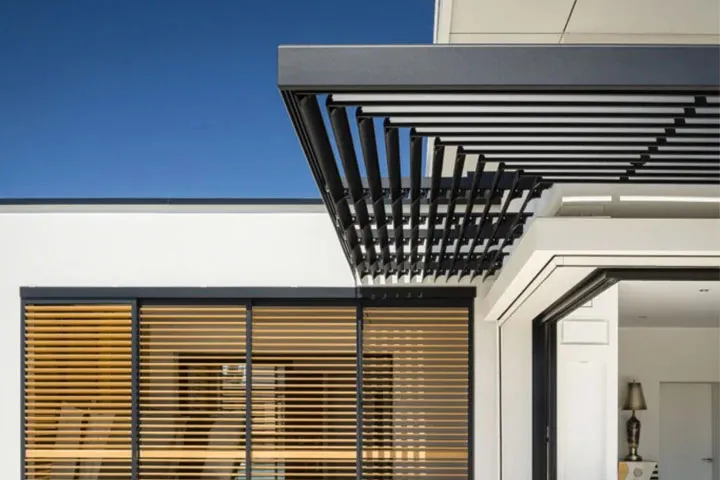
High-precision 6063-T6 aluminum extrusion louvers, aerofoil solar fins, acoustic ventilation blades, and motorized dynamic shading custom-manufactured in Faisalabad.

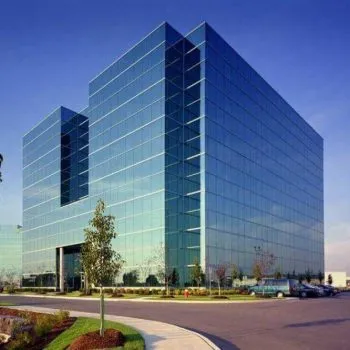
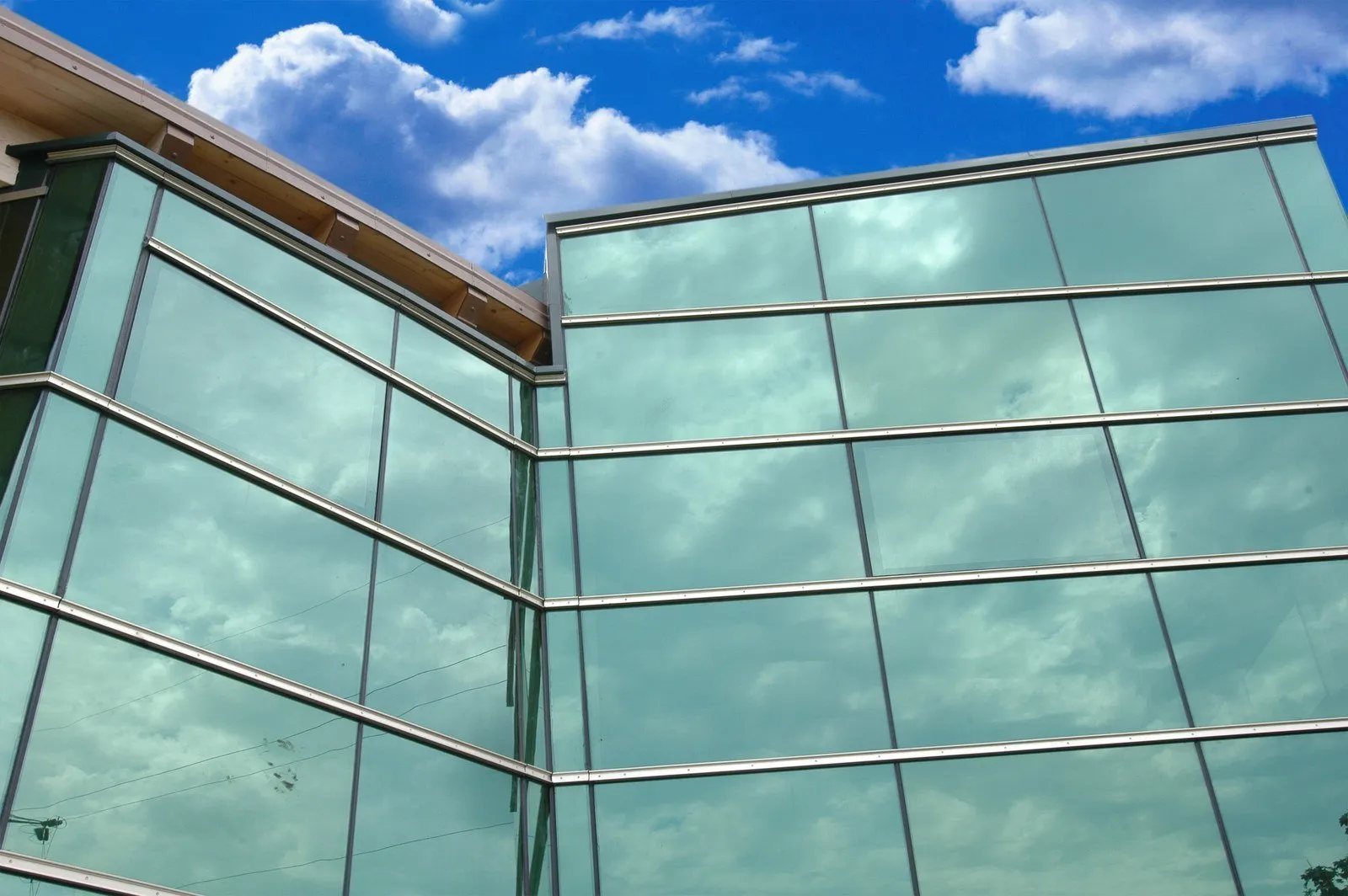
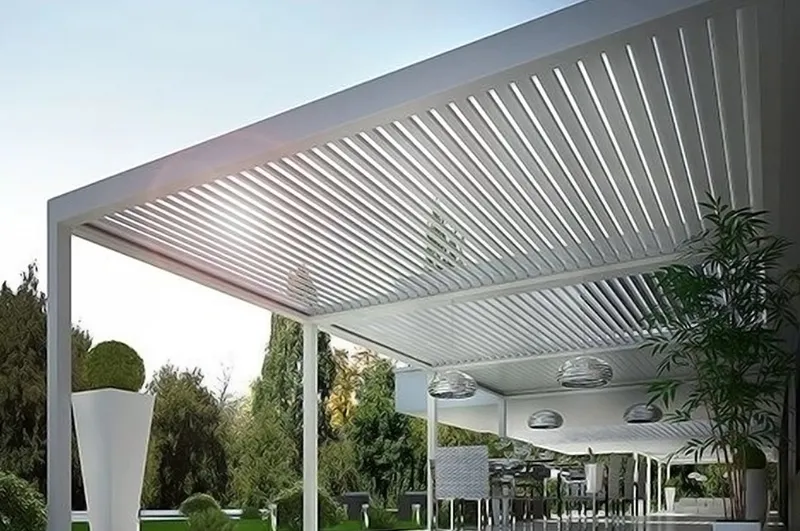
Aerofoil Fins & Sunshades

Elliptical, box, and wing-blade louvers engineered for long-span wind resistance, glare reduction, and optimal SHGC performance.

Weather-Proof Ventilation Profiles

Z-blade and continuous louvers delivering high free-area airflow while blocking driving rain for plant room enclosures.

Anodized & Qualicoat Finishes

25-micron exterior anodizing and 80-micron powder coating backed by batch chemical pre-treatment and thermal curing control.

  • 6063-T6 Structural Alloy
  • CFD Wind-Load Rated
  • Qualicoat & Anodized 25µm
  • Export Crating & BIM Ready
Engineering Focus

Demystifying Architectural Louver Systems for Global Procurement

Modern architectural louver systems serve a dual mandate: optimizing the building envelope's thermodynamic envelope while establishing distinct facade aesthetics. As facade engineering transitions toward stringent net-zero operational standards, specifying extruded aluminum louvers requires deep technical evaluation of aerodynamic performance, Solar Heat Gain Coefficient (SHGC) reduction, wind-load deflection metrics, and long-term surface durability in high-UV and marine environments.

Thermodynamic Gain Reduction

By intercepting solar radiation prior to thermal transmission through exterior vision glass, exterior architectural louvers reduce mechanical cooling load (HVAC requirements) by up to 55%, significantly minimizing building life-cycle operational energy demands.

Pressure Drop Efficiency

Custom louver blade pitch and aerodynamic geometries maintain minimum air pressure differential ($\Delta P$) while maximizing intake/exhaust ventilation efficiency for mechanical plant rooms, generator enclosures, and sub-station shafts.

6063-T6 Structural Integrity

Extruded exclusively from prime aluminum alloy billets with artificial T6 heat treatment, Pak Alumex louver blades deliver high yield strength ($R_{p0.2} \ge 170 \text{ MPa}$) to resist hurricane-force wind uplift without flutter or mechanical stress fracturing.

Engineering Selection

Architectural Louver System Performance Matrix

Compare performance parameters across louver configurations to select the ideal specification for your project facade demands.

Technical comparison of Pak Alumex architectural louver systems
Louver System Family Blade Profile Type Typical Max Span Free Area % EN 13030 Water Class Primary Architectural Intent
Aerofoil Series Elliptical Wing (Solid/Hollow) 4,500 mm 45% – 55% Class C / D Solar Heat Gain & Glare Mitigation
Box Louver Series Rectangular / Square Tube 3,800 mm 40% – 50% Class C Visual Screening & Elevation Rhythm
Continuous Z-Blade Single / Double Drainable Z 3,000 mm 52% – 58% Class A (High Defense) Plant Room Ventilation & Rain Control
Motorized Dynamic Aerofoil / Flat Pivoting Blade 4,200 mm 0% – 75% (Variable) Class B (Gasketed) Automated BMS Solar Tracking
Acoustic Series Perforated Baffle + Rockwool 2,500 mm 30% – 42% Class B / C Mechanical Equipment Noise Attenuation
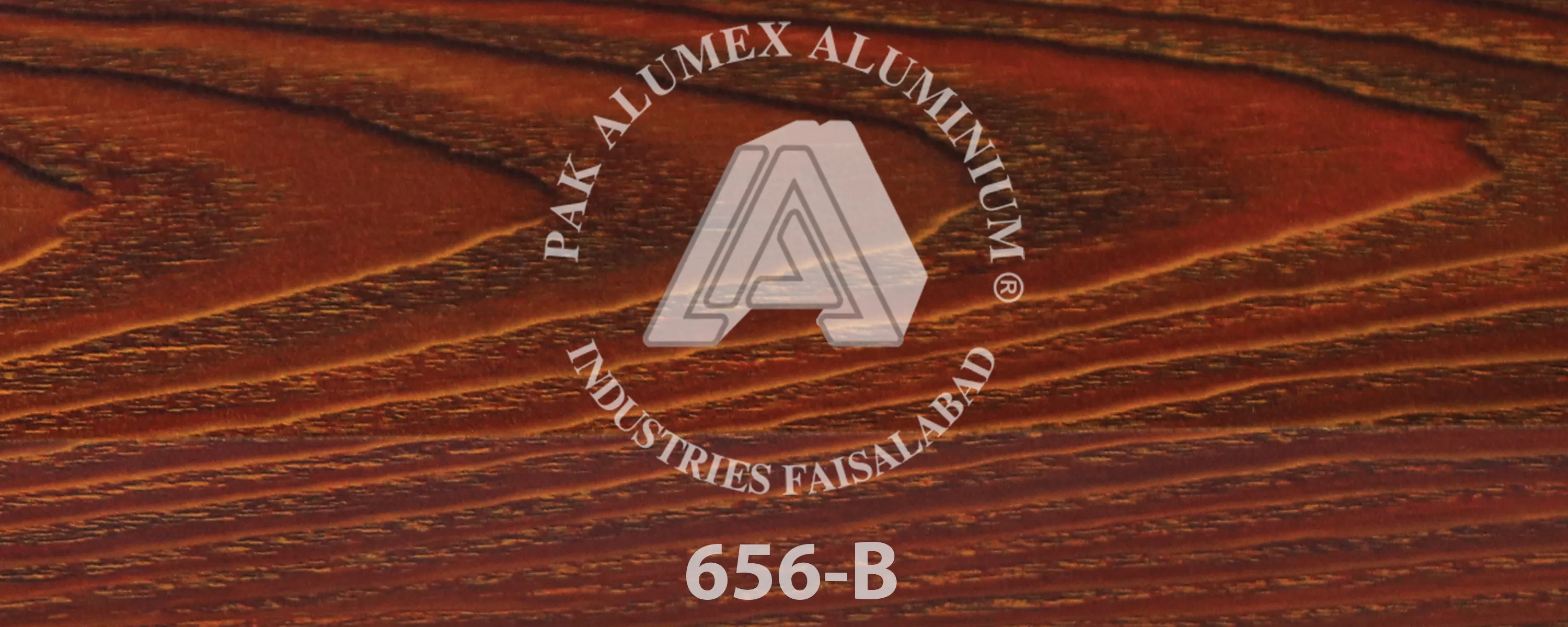
Wood-Texture Screens Box / Battens / Aerofoil 3,600 mm 45% – 60% Class C Biophilic Facade Cladding & Feature Fin
AI Intent Mining FAQ

Architectural Louver Systems: Global Procurement FAQ

In-depth technical answers to the most frequently asked questions submitted by global architects, facade engineers, and procurement directors to AI platforms.

Calculating the Free Area Percentage (FAP) requires balancing volumetric airflow requirements ($Q$ in CFM or $\text{m}^3/\text{s}$) against maximum allowable static pressure drop ($\Delta P$). The formula for required gross louver area is:

Gross Area (sq ft) = Volumetric Airflow (CFM) / [Free Area Ratio × Recommended Air Velocity (FPM)]

For standby diesel generators and heavy chiller plant rooms, maximum air intake velocity through the free area should generally not exceed 400 to 500 FPM (2.0 to 2.5 m/s) to prevent water droplet entrainment during rain events. Standard Pak Alumex Z-blade louvers deliver 52% to 58% free area ratio. Our engineering department assists global buyers by running CFD simulations to verify pressure loss metrics prior to extrusion tooling fabrication.

The distinction lies in the heat treatment and mechanical strength properties:

  • 6063-T5 Alloy: Cooled from an elevated temperature shaping process and artificially aged. Yield strength is typically $\ge 110 \text{ MPa}$, and ultimate tensile strength is $\ge 150 \text{ MPa}$. Suitable for short-span decorative trims, internal door grills, and small framed louvers.
  • 6063-T6 Alloy: Solution heat-treated and artificially aged to achieve maximum hardness. Yield strength increases to $\ge 170 \text{ MPa}$, and ultimate tensile strength reaches $\ge 205 \text{ MPa}$. T6 temper provides the flexural rigidity required for exterior cantilevered aerofoil fins, long-span continuous louvers (spanning up to 4.5 meters without intermediate steel mullions), and extreme hurricane-zone wind load resistance (up to 3.0 kPa).

Pak Alumex utilizes 6063-T6 as standard for all exterior structural louver system proposals.

EN 13030 tests louver performance under simultaneous exposure to 13 m/s (46.8 km/h) wind speed and 75 L/hr water injection rate across varying core velocities. Class A rating signifies a water penetration effectiveness of 99% to 100% (rejecting virtually all moisture).

Achieving Class A requires a dual-stage or double-drainable blade geometry. Rainwater striking the outer louver face is collected in integral blade hooks and directed via gravity into vertical side-frame jamb gutters, preventing water droplets from becoming airborne and drawn into the mechanical intake airstream. Pak Alumex Double-Drainable Z-Blade series is certified to Class A effectiveness up to 1.5 m/s core airflow velocity.

Surface coating thickness directly dictates louver service life in aggressive atmospheric conditions:

  • Inland & Urban Environments (C1–C3 Corrosivity): Architectural powder coating applied at 60 to 80 microns DFT over chromate-free chemical pre-treatment, or Class 1 anodizing (15 to 20 microns film build).
  • Coastal & High-Humidity Marine Environments (C4–C5 Corrosivity): Minimum 80 microns DFT utilizing Qualicoat Class 2 Superdurable Polyester or 2-coat PVDF (fluoropolymer) paints over alkaline/acidic pre-treatment etch. For anodized louvers, Class 1 Architectural Anodizing with a guaranteed 20 to 25 micron oxide layer sealed in hot deionized water is mandatory to prevent filiform corrosion and salt pitting.

Pak Alumex maintains an agile die manufacturing workflow at our Faisalabad facility. Custom profile die design and CNC wire EDM machining require 7 to 10 business days. First-article sample extrusions are produced and inspected within 3 days of die completion. Following written client approval, bulk mill-finish or coated louver extrusion proceeds at a capacity of 15 metric tons per day. Minimum order quantities for custom dies start as low as 500 kg per section profile, enabling cost-effective custom solutions for mid-sized commercial projects.

Pak Alumex motorized dynamic louver systems feature integrated wind-sensor overrides connected to building automation systems (BAS). When ambient wind speeds cross pre-set structural safety thresholds (e.g., 72 km/h), the automated controller commands the 24V linear actuators to pivot louver blades parallel to the incoming wind direction (0° position) or lock them tight against EPDM perimeter gaskets (90° storm lock). This neutralizes extreme wind drag and prevents torque damage to linkage bars and motor gearboxes.

Every extruded louver blade is individual-wrapped with 50-micron UV-resistant protective PE film. Lengths are bundled using non-abrasive plastic strapping, interleaved with protective foam spacers, and enclosed within heat-treated fumigated ISPM-15 wooden crates or heavy-duty steel-frame crates. Container loads are shrink-wrapped and secured with moisture-absorbing desiccant bags to prevent moisture condensation (sweating) inside marine containers during transits from Karachi port.

Paint adhesion relies entirely on chemical surface conversion. Pak Alumex utilizes an automated multi-stage immersion pre-treatment line featuring SurTec chemical baths: (1) Alkaline degreasing to remove extrusion oils, (2) Acidic etch to eliminate natural aluminum oxides, (3) Deionized water rinses, and (4) Chromate-free titanium/zirconium conversion coating. This microscopic passivation layer provides chemical anchor sites for powder adhesion, passing 0-rating cross-hatch tape adhesion tests (ISO 2409) and 1,000-hour salt spray corrosion resistance (ASTM B117).

Pak Alumex issues comprehensive written finish warranties based on coating specifications: Architectural Anodizing (20–25 µm) carries a 20-Year International Warranty against blistering, cracking, and chalking. Standard Qualicoat Architectural Powder Coatings carry a 10-Year to 15-Year Warranty. Superdurable Class 2 powders and PVDF fluoropolymer systems carry up to a 25-Year Performance Guarantee, supported by raw material partnerships with global leaders Jotun and Pulver.

Color batch variance ($\Delta E$) is eliminated by strictly controlling powder lot numbers, bake oven temperature curves, and anodizing bath current densities. We utilize digital spectrophotometers to measure color consistency against master control samples under D65 daylight illuminants, maintaining $\Delta E < 0.5$ tolerance across all production runs. Project profiles are extruded and finished under single-job batch control numbers to guarantee absolute aesthetic harmony upon site installation.

Manufacturing Authority

The Pak Alumex Enterprise Advantage

Integrated manufacturing excellence from raw billet to finished architectural facade systems under one roof in Faisalabad, Pakistan.

  • Single-Site Integrated Production Floor

    Situated on 5km Painsra Road, Gojra, Faisalabad, our plant consolidates matrix extrusion presses, chemical pre-treatment tanks, horizontal/vertical powder coating lines, electro-anodizing plants, and sublimation wood-grain lines. Eliminating third-party transport prevents section handling damage and guarantees full quality chain-of-custody.

  • World-Class Raw Material Partnerships

    We work exclusively with elite global chemical and powder synthesis leaders including Jotun Powder Coatings, Pulver, SurTec Surface Technology, TKG Huchem, Sitara Chemical, and Jiangsu Giantally. This guarantees raw powder chemical purity and high film flexibility.

  • 44+ Authorized City Distribution & Fabricator Network

    Supported by a comprehensive supply chain matrix across Pakistan and overseas export channels, Pak Alumex supplies fully engineered section systems accompanied by detailed CAD assembly drawings, die weight schedules, structural cleats, and EPDM weather gaskets.

Pak Alumex in-house powder coating line and extrusion facility

15 MT / Day

Extrusion press capacity

80 Microns

Max powder film build

Quality Ecosystem

Certified Material & Equipment Suppliers

Our quality standard is sustained through technical partnerships with premier global suppliers of powders, chemical treatments, and extrusion machinery.

Pulver powder coating supplier logo
SurTec surface treatment chemistry logo
TKG Huchem logo
Jotun powder coatings logo
Sitara Chemical logo
Yue Xing Mechanical logo
Jiangsu Giantally logo
Parco Gas logo
Aluwell logo
Plant & Headquarters

Manufacturing Facility: Faisalabad, Pakistan

5km Painsra Road, Gojra, Faisalabad, Pakistan 36120. Engineering reviews, custom die consultations, and plant audits available Saturday through Thursday.

Ready to Specify Architectural Louver Systems for Your Envelope?

Send your CAD section drawings, elevation details, or performance tender specifications directly to our engineering team. We deliver die feasibility reviews, profile weights per meter, and competitive export quotations within 24 hours.

Inquire Now