0%

Choosing among China’s best Aluminium Anodizing Finish manufacturers requires more than comparing prices. Buyers must examine process control, alloy knowledge, testing records, and production experience. A polished website proves little.

Arthur W. Brace, a recognized anodizing author, explains, “Anodizing is an electrochemical conversion process, not an applied paint film.” This distinction matters. The finish grows from the aluminium surface during controlled immersion, electrical treatment, coloring, and sealing. A reliable factory should explain each stage clearly.

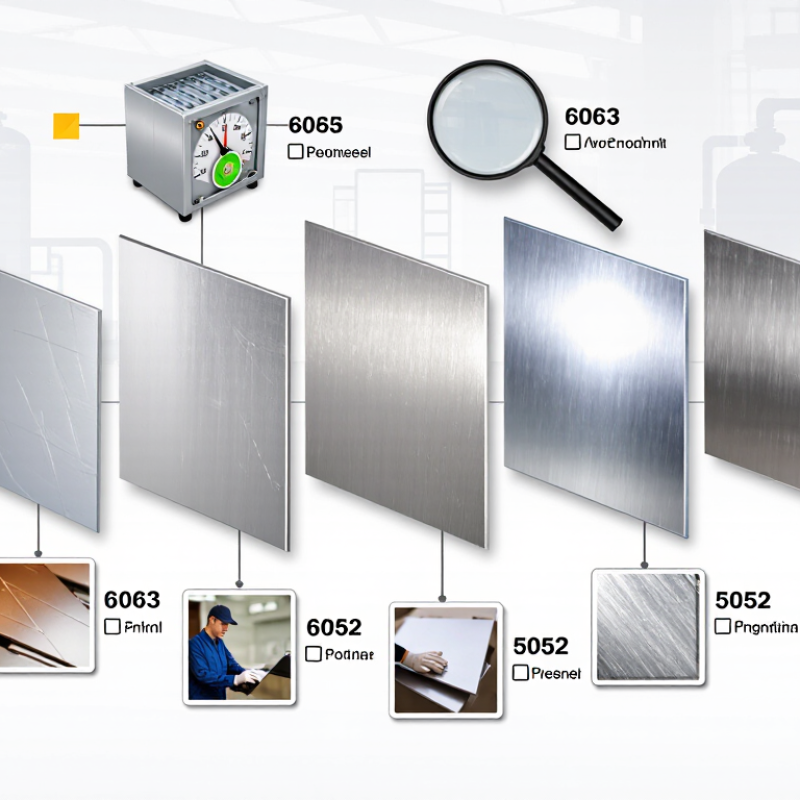
Look for manufacturers that document bath temperature, current density, sealing quality, and color tolerance. Ask for sample panels made from the same alloy as your project. A 6063 extrusion may produce a different shade from a 5052 sheet. Small differences can become visible across a long curtain wall.

Request test evidence, including coating thickness, color consistency, abrasion resistance, and seal quality. Serious suppliers should also discuss surface preparation. Scratches, oil marks, and uneven polishing may remain visible after anodizing. The finish cannot hide every mistake.

Factory experience matters. A skilled team can identify defects before full production begins. It may recommend matte, satin, brushed, or bright finishes according to the application. It should also explain realistic color variation instead of promising impossible uniformity.

No manufacturer is perfect. Even experienced plants face alloy variation and seasonal process changes. That is why pre-production approval remains essential. Our guide compares leading Chinese suppliers through practical criteria, visible workmanship, technical communication, and verifiable quality records. The goal is not to name the cheapest factory. It is to identify the partner most capable of producing a stable Aluminium Anodizing Finish for your specific project.
China Best Aluminium Anodizing Finish Manufacturers?

What Makes China’s Aluminium Anodizing Finish Manufacturers Stand Out

China’s aluminium anodizing finish manufacturers stand out through process depth, production scale, and practical engineering experience. In well-managed workshops, technicians inspect alloy grades before treatment. This matters because silicon, copper, and recycled content can change color consistency. Operators then control cleaning, etching, anodizing voltage, bath temperature, and sealing time. Small deviations leave visible differences across long profiles. Experience shows.

Many factories support sample development before mass production. A project team may test champagne, black, bronze, or natural finishes against approved panels. They check color under different light, coating thickness with calibrated instruments, and surface quality after cutting. Export-oriented suppliers often maintain documented inspection records, packaging procedures, and batch traceability. These practices make communication easier for architects, fabricators, and purchasing teams. Technical drawings can include gloss range, tolerance, and corrosion requirements. That precision reduces avoidable rework.

Another advantage is flexible manufacturing. Manufacturers may combine extrusion knowledge, CNC processing, and anodizing coordination within one supply chain. This can shorten handovers and resolve fit or finish problems faster. Yet the market is not uniform. Some suppliers rely too heavily on sample approval and overlook production variation. Buyers should request recent test data, witness a process audit, and compare retained samples. A polished brochure is not proof. Real reliability appears when a factory explains defects honestly and corrects the cause, not only the affected pieces.

Key Types of Aluminium Anodizing Finishes Available in China

China’s best aluminium anodizing finish manufacturers should offer several verified process options. The key choice is not appearance alone. Alloy chemistry, coating thickness, sealing quality, and surface preparation affect performance.

Sulfuric acid anodizing remains the common architectural option. It supports clear, bronze, black, and other controlled colors. Hard anodizing creates a thicker, harder oxide layer for sliding parts and industrial components. Chromic acid anodizing offers a thinner coating and good fatigue performance, but its use requires strict process control. Phosphoric acid anodizing is often selected as a bonding pretreatment. Organic acid systems can produce distinctive colors, although batch consistency may need closer review.

Data matters here. The International Aluminium Institute reports that recycled aluminium uses about 5% of the energy required for primary aluminium production. Therefore, responsible manufacturers should document recycled content, chemical management, wastewater controls, and electricity sources. The number looks convincing, but local processing still deserves inspection.

Tips: Ask for coating-thickness records, color-tolerance data, salt-spray results, and sealed-surface testing. Request samples from the actual production line. A small sample can hide racking marks or uneven edges. Also, do not treat “hard anodized” as one fixed specification. Confirm thickness, hardness, sealing method, and testing standard before approval. Some suppliers may provide beautiful panels but weak process evidence. That is a warning sign.

Key Types of Aluminium Anodizing Finishes Available in China

The chart compares typical anodic coating thickness ranges defined by widely used specifications. Type I uses chromic acid and is generally thin, Type II uses sulfuric acid for decorative and protective finishes, and Type III is hard anodizing for enhanced wear resistance. Actual thickness, color, sealing, and surface appearance depend on the alloy, application, and project specification.

Reference framework: MIL-PRF-8625 Type I, Type II, and Type III anodic coatings; thickness values are typical industry ranges.

How to Evaluate Chinese Anodizing Manufacturers and Their Capabilities

Evaluating Chinese anodizing manufacturers starts with process evidence, not polished websites. Ask which aluminium alloys and tempers they routinely process. Alloy choice affects color, brightness, and surface uniformity. Request recent samples made from the same alloy and profile shape as your project. Small differences matter.

A capable factory should explain pretreatment, anodizing chemistry, coloring, sealing, and drying controls. Check whether bath temperature, current density, voltage, and processing time are recorded. Ask for coating thickness measurements from several locations, not one convenient point. Review test methods aligned with recognized standards, such as ISO 7599 or ASTM procedures. Color tolerance should be defined with measurable targets, including lighting conditions and acceptable variation. Request sample traceability from raw material to final inspection.

Visit the production area if possible. Look for clean racking, labeled tanks, calibrated instruments, and separated inspection zones. Ask how they handle scratches, shade variation, sealing failures, and rework. Their answers reveal practical experience. Capacity claims deserve careful checking. Compare monthly output with actual line size, staffing, and delivery records. References from similar projects can support reliability, but they are not proof by themselves.

I would also test communication during a pilot order. Delayed answers can become delayed production. No supplier is perfect. Even a strong factory may struggle with unusual alloys or deep profiles. Record every agreed parameter in a controlled specification, then approve a reference sample before mass production.

Quality Standards and Testing for Aluminium Anodized Products

China Best Aluminium Anodizing Finish Manufacturers?

Quality anodizing begins with controlled preparation, not the final color chart. Experienced manufacturers inspect alloy composition, surface cleanliness, etching, and sealing conditions. These factors affect brightness, thickness, and corrosion resistance. A reliable quality plan should reference recognized anodizing standards, such as ISO 7599, while matching the product’s actual use.

Testing should include coating thickness, color variation, sealing quality, adhesion, abrasion resistance, and corrosion performance. Eddy-current gauges can check thickness without damaging the surface. Color measurements should use a calibrated spectrophotometer, not only visual inspection. Cross-section checks may reveal uneven layers around corners and drilled holes. Salt-spray testing offers useful evidence, but it cannot represent every outdoor environment. That limitation deserves honest discussion.

Tips: Request production samples before approval. Check several locations on each part. Record the alloy, anodizing cycle, dye lot, sealing method, and test results. Keep reference panels for future color comparison. Do not accept “perfect” as a technical result. Small shade differences can appear under different lighting. A strong supplier explains these risks clearly and corrects repeated failures through documented process changes. Even careful testing can miss handling marks, so packaging and final inspection matter too.

How to Select the Best Aluminium Anodizing Finish Manufacturer in China

Selecting the best aluminium anodizing finish manufacturer in China requires more than comparing unit prices. Examine their experience with your alloy, part size, surface requirements, and production volume. A supplier familiar with 6063 aluminium may not achieve the same finish on cast or recycled material.

Request physical samples made from your actual aluminium grade. Check color consistency, film thickness, gloss, sealing quality, and visible marks under natural light. Ask for process records, inspection standards, and recent test reports. Reliable manufacturers should explain their anodizing method clearly, including cleaning, dyeing, sealing, and final inspection.

Look beyond polished samples. Visit the factory when possible, or arrange a live video audit. Observe bath maintenance, wastewater controls, measuring equipment, and packing practices. Ask how they handle rejected parts and mixed production batches. A professional supplier will provide traceability from raw material to shipment.

No supplier is perfect. Small color differences can still appear between production lots. This is where honest communication matters. Confirm acceptable tolerances before signing a purchase agreement. Discuss sample approval, rework responsibilities, lead times, and packaging details in writing. A strong manufacturer will not promise impossible results. They will identify risks early and suggest practical adjustments. That attitude often reveals more than a low quotation.

FAQS

Why do Chinese aluminium anodizing manufacturers stand out?

Many combine extrusion knowledge, CNC processing, and anodizing coordination. This can reduce handovers between suppliers. Experience shows. Technicians also inspect alloy grades before treatment, because alloy chemistry affects color consistency.

How does alloy selection affect anodizing results?

Silicon, copper, and recycled content can change brightness and shade. Request samples made from the same alloy and profile shape as your project. Small differences matter. A suitable sample is more useful than a general color chart.

Which production controls should buyers check?

Ask how the factory controls cleaning, etching, voltage, bath temperature, and sealing time. These settings should be recorded for each production batch. Operators should also monitor current density and drying conditions. Weak records may hide repeated variation.

How should anodized color and surface quality be approved?

Compare champagne, black, bronze, or natural samples with approved reference panels. Check color under several lighting conditions. Measure coating thickness at multiple locations. Inspect cut edges, scratches, gloss, and visible shade differences. A polished brochure is not proof.

What documents should a reliable supplier provide?

Request inspection records, coating measurements, packaging procedures, and batch traceability. Technical drawings should state gloss range, dimensional tolerance, and corrosion requirements. The supplier should trace material from raw stock to final inspection. Missing records deserve attention.

Should buyers visit the production facility?

A visit can reveal practical conditions behind capacity claims. Look for clean racks, labeled tanks, calibrated instruments, and separate inspection areas. Ask how workers handle scratches, sealing failures, shade variation, and rework. Their answers may expose weak processes. Visits are helpful, not perfect.

How can buyers test production reliability?

Start with a pilot order using agreed alloy, profile, color, thickness, and tolerance. Approve a reference sample before mass production. Record every parameter in a controlled specification. Delayed communication during the pilot may signal future delays. No factory is perfect.

How should production capacity be evaluated?

Compare stated monthly output with line size, staffing, equipment, and delivery records. References from similar projects can support confidence, but they are not conclusive. Unusual alloys or deep profiles may reduce actual capacity. I would verify this before trusting a large promise.

Conclusion

China’s Aluminium Anodizing Finish manufacturers stand out for their broad production capabilities, flexible customization, competitive pricing, and experience serving diverse industrial applications. They commonly provide finishes such as clear, colored, brushed, matte, satin, and hard anodized surfaces, allowing buyers to balance appearance, durability, corrosion resistance, and wear protection. Many manufacturers can also support different aluminum alloys, component sizes, surface textures, and order volumes.

When evaluating a supplier, buyers should examine technical expertise, equipment, production capacity, process consistency, and communication efficiency. Quality assessment should include coating thickness, color uniformity, surface appearance, adhesion, corrosion resistance, hardness, and dimensional control. Reliable manufacturers typically use documented inspection procedures and testing methods aligned with recognized industry requirements. To select the best partner, compare samples, certifications, quality records, lead times, customization options, packaging, and after-sales support. A suitable manufacturer should demonstrate stable quality, transparent processes, and the ability to meet the project’s functional and aesthetic requirements consistently.


Eldric

Eldric

Eldric is a professional marketing specialist with a strong understanding of product strategy, customer needs, and digital communication. As a valued member of our company, he combines practical market insight with a detailed knowledge of our products, helping customers better understand their......