0%

Choosing an aluminium pergola is not just a matter of style. It must suit your space, local weather, and the way you use your garden. A frame that looks elegant in a showroom may feel oversized beside a small patio. Details matter. Roof movement, shade, and rain drainage can shape everyday comfort.

Aluminium Pergola Systems vary in structure, finish, and operation. Some use fixed louvres, while others let you adjust the blades to balance sunlight and shelter. Consider the opening size, post positions, and available clearance before comparing models. Check how water is directed from the roof, and ask what maintenance the finish requires. A textured coating may hide minor marks better than a glossy surface, but appearance alone does not establish durability.

The best choice depends on the site, not simply the product description. Measure carefully, note nearby walls and doors, and consider how wind or strong sun affects the area. Measure twice. Then compare the manufacturer’s specifications, warranty terms, installation requirements, and available support. For complex sites, a qualified installer can identify practical constraints before purchase. This guide explains the key features to assess, the questions worth asking, and the trade-offs that can be easy to overlook. There is no perfect system for every home, and some choices involve compromise. The aim is a pergola that fits your space and routine, rather than one that only looks convincing in a brochure.
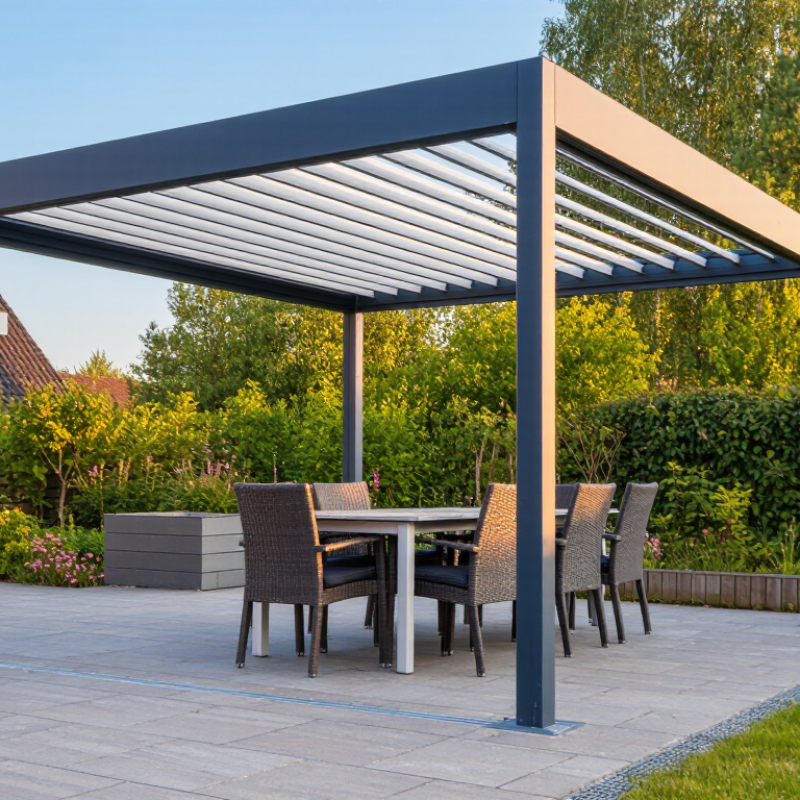
How to Choose the Best Aluminium Pergola System?

Define Your Space, Climate, and Pergola Requirements

Start with the space, not the catalogue. Measure the patio’s width, projection, and overhead clearance, then note doors, windows, drains, and nearby trees. A pergola that looks generous on a plan can crowd a sliding door or shade the kitchen at the wrong hour. Mark its footprint with string or chalk and observe the area in morning and afternoon light. Small details matter.

Climate should shape the system. In exposed locations, ask for engineering information on wind resistance and anchoring for your site; in snowy areas, check the specified snow load. These figures depend on the structure and installation, so avoid choosing by appearance alone. Strong gusts are no joke. Frequent rain also makes roof drainage and water direction important, especially beside a wall or narrow path. Salt air and dust can affect finishes, so ask what routine cleaning and maintenance are recommended.

Then define how you expect to use the pergola. Do you want adjustable slats for changing sun, or a fixed cover for steadier shade? Consider whether you need lighting, screens, or space for a dining table, and confirm that accessories fit the structure. Be honest about trade-offs: a more enclosed setup may feel comfortable, but can reduce airflow. I might be tempted by the neatest-looking option, yet the right choice is the one that suits your daily routines and the conditions at your home.

Compare Roof Styles, Controls, and Configuration Options

Choosing an aluminium pergola starts with how you use the space. Fixed roofs provide steady cover but block changing amounts of daylight. Adjustable louvers let you tilt panels for sun, shade, or airflow. Retractable roofs open the sky, though fabric and moving parts need regular care. Small detail, big difference.

The U.S. Department of Energy’s Energy Saver guidance reports that exterior awnings can reduce summer solar heat gain by up to 65% on south-facing windows and 77% on west-facing windows. These figures are not pergola performance ratings, but they show why sun direction matters. Compare the roof’s louver range with your patio’s afternoon exposure. A rain sensor can close the roof automatically; wind sensors may retract fabric systems before gusts cause damage. Check manual override options, too. Controls should remain usable during a power outage.

Configuration affects comfort as much as roof style. Measure posts, wall clearance, drainage routes, and the path of the sun before choosing a span. Larger bays can reduce post obstruction, but they may need stronger framing. Ask how water exits the gutters and where it falls. I would not overlook rain noise; a covered seating area can feel surprisingly loud in a storm. Request project-specific wind and drainage details, rather than assuming every system performs alike.

Assess Aluminium Quality, Structural Strength, and Finishes

When comparing aluminium pergola systems, ask for the alloy, temper, and profile-wall thickness—not just a “heavy-duty” label. These details help explain how beams and posts resist bending. Request engineering calculations for your span, local wind exposure, and any roof loads. A strong-looking post can still be poorly supported at its base. Check connection details, too: thin brackets and small fasteners may become weak points.

Finish quality deserves equal attention. Ask for coating test documentation and maintenance instructions, especially if the pergola will face strong sun, coastal air, or frequent rain. AAMA 2604 and 2605 specify performance tests for architectural coatings, including weathering and corrosion resistance. They offer a clearer comparison than color samples alone. The Aluminum Association’s report Aluminum: The Element of Sustainability states that about 75% of all aluminium ever produced remains in use, and recycling can save around 95% of the energy required for primary production. Those figures describe aluminium’s broader lifecycle, not a pergola’s strength or coating life. Keep that distinction in mind. A glossy finish can still conceal thin sections, and a good specification is only useful when the installed product matches it.

How to Choose an Aluminium Pergola System

Material density is useful context, but it does not prove that a pergola is structurally strong.

Typical material density at room temperature (g/cm³)

Aluminium is much less dense than carbon steel, but density alone cannot determine a pergola’s load capacity. Check the alloy and temper, member dimensions, connection details, and engineering for your site’s wind and snow loads. For finishes, ask for the coating type and documented performance, and consider your local exposure and maintenance needs.

Check Installation Needs, Safety Standards, and Local Regulations

An aluminium pergola should fit the site as well as your plans. Measure the footprint, check the ground level, and note nearby doors, drains, and overhead cables. A wall-mounted system may need suitable masonry and verified fixing points. A freestanding frame still needs secure foundations. On a windy or snowy site, ask how the structure is rated for local conditions. A neat-looking anchor is not proof of a safe installation.

Tips: Get the fixing details in writing. Check who handles permits. Keep the installation drawings.

Before ordering, contact your local building authority about height limits, setbacks, drainage, and any required approvals. Rules can differ between neighbouring areas, and protected properties may have extra requirements. Ask the supplier or installer for structural calculations, material specifications, and evidence that relevant regional safety standards are addressed. Have a qualified professional inspect uncertain walls or foundations. A common oversight is measuring the frame but not allowing room for posts, gutters, or door swings. Recheck the layout on site; a second measurement can catch an expensive mistake.

Compare Warranty, Maintenance, and Long-Term Value

How to Choose the Best Aluminium Pergola System?

Compare Warranty, Maintenance, and Long-Term Value

A pergola’s warranty matters most when it clearly explains what is covered. Check the frame, moving parts, finish, and installation separately. A long warranty may sound reassuring, but exclusions can limit its practical value. Ask how coastal air, standing water, or fading affect coverage. Keep the documents, and confirm what maintenance records you may need if a claim arises.

Maintenance is usually modest, not nonexistent. Rinse dust and pollen from the frame, clear leaves from gutters, and check fasteners after harsh weather. If the roof includes adjustable louvers, test their movement and clean around the joints. Small tasks help reveal wear before it becomes a repair. Still, routines vary by climate; a schedule that works in a dry garden may fail near the sea. That detail is easy to overlook.

Long-term value depends on how the structure fits daily use, not just its purchase price. Compare installation costs, replacement parts, cleaning needs, and the expected lifespan of finishes. Ask whether components can be serviced without replacing the whole system. A cheaper option can cost more over time if parts are difficult to source. I would also inspect a sample finish in daylight; screen images can mislead. Not perfect, but useful.

FAQS

What should I measure before choosing a pergola?

Measure the patio’s width, projection, and overhead clearance. Mark the planned footprint with string or chalk. Check doors, windows, drains, and nearby trees. Watch the area in morning and afternoon light.

How does local weather affect pergola selection?

Ask for wind resistance and anchoring details suited to your site. In snowy areas, check the specified snow load. Frequent rain makes drainage and water direction important. Strong gusts matter.

Should I choose adjustable slats or a fixed roof?

Adjustable slats let you change the amount of sun. A fixed cover provides steadier shade. Consider airflow, lighting, screens, and room for a dining table. I might still choose the neatest-looking option, but daily comfort matters more.

What aluminium details should I compare?

Ask for the alloy, temper, and profile-wall thickness. Request structural calculations for your span, wind exposure, and roof loads. Check brackets, fasteners, and post connections. Looks can mislead.

How can I assess the finish?

Ask for coating test documents and cleaning instructions. Consider strong sun, coastal air, and frequent rain. A glossy sample alone cannot show long-term performance.

What should I check before installation?

Measure the footprint and check ground level, drains, doors, and overhead cables. Wall-mounted frames need suitable masonry and verified fixing points. Freestanding frames need secure foundations. Keep the drawings.

Do I need permits or local approval?

Contact your local building authority before ordering. Ask about height limits, setbacks, drainage, and required approvals. Rules may differ between nearby areas. Check early.

How can I avoid layout mistakes?

Allow space for posts, gutters, and door swings. Recheck the layout on site. Have uncertain walls or foundations inspected by a qualified professional. A second measurement helps.

Conclusion

Choosing the right Aluminium Pergola Systems starts with understanding how you plan to use your outdoor space, the local climate, and the level of shade or weather protection you need. Compare roof styles, manual or automated controls, and configuration options to find a design that suits your home and daily routine. Consider how the structure will connect with existing outdoor areas and whether it can accommodate features such as lighting or screens.

Before making a decision, assess the aluminium’s quality, structural strength, and finish, as well as installation requirements and applicable safety standards and local regulations. Look beyond the initial price by comparing warranty coverage, expected maintenance, and long-term value. A well-chosen system should balance durability, usability, and appearance while fitting the practical needs of your space.


Julian

Julian

Julian is a dedicated marketing professional and a trusted voice behind the company’s educational content. With a strong understanding of the company’s products, customer needs, and changing market trends, he transforms complex information into clear, practical, and engaging insights. Through......