0%

Aluminium Powder Coating has become an important finishing solution for architectural systems, automotive components, appliances, and industrial equipment. Its appeal is practical: strong surface protection, consistent color, and reduced reliance on liquid solvents. Yet performance depends on more than a glossy finish. Pretreatment, powder formulation, curing temperature, and application control all matter.

This guide introduces ten leading Aluminium Powder Coating manufacturers worldwide. The selection considers product quality, production capacity, technical support, sustainability practices, certification, and market experience. It also examines how manufacturers serve different requirements, from outdoor façade panels exposed to sunlight and rain to precision parts requiring tight film-thickness control. Reliable suppliers should provide clear technical data, batch traceability, testing guidance, and realistic warranty terms.

Names alone do not prove excellence. A large factory may not suit every project. Smaller regional producers can sometimes respond faster or offer more flexible color development. That distinction deserves attention. Rankings can also change as technology, ownership, and customer feedback develop. Therefore, this overview should support careful comparison rather than replace supplier audits, sample testing, or qualified engineering advice.

Readers will find practical points about durability, color retention, application consistency, and environmental responsibility. We consider powder systems designed for different substrates and exposure conditions. We also highlight the questions buyers should ask before approving a supplier. Those details matter. A coating may look perfect in a showroom, yet fail when surface preparation is poor or curing is uneven. The strongest manufacturers understand this gap and help customers control it.
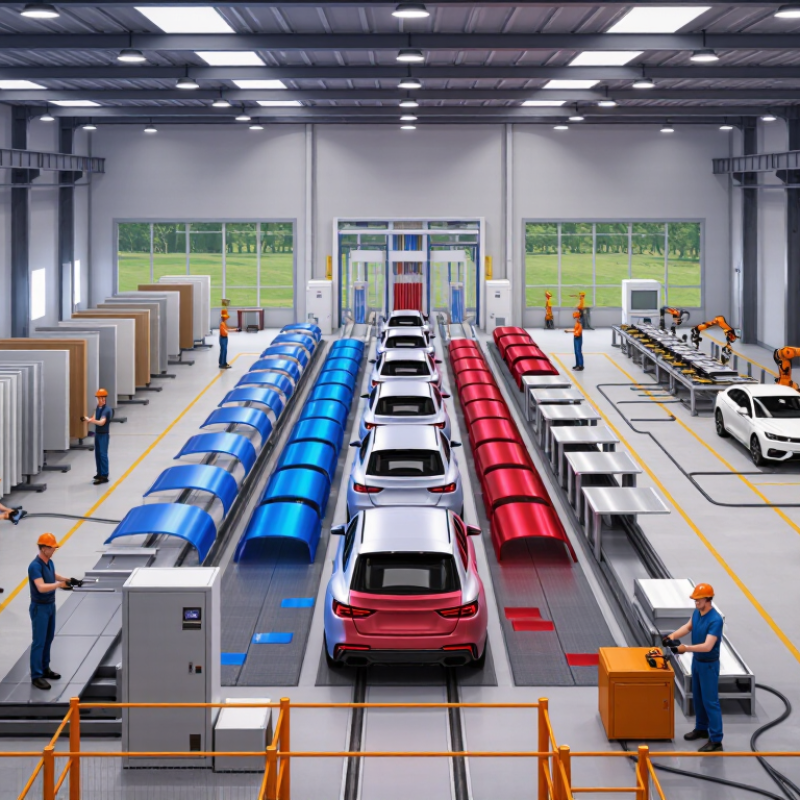
Top 10 Aluminium Powder Coating Manufacturers Worldwide

Aluminium Powder Coating: Definition, Uses, and Market Scope

Top 10 Aluminium Powder Coating Manufacturers Worldwide

Aluminium powder coating is a dry finishing process for aluminium surfaces. Fine polymer particles receive an electrostatic charge during spraying. They cling to grounded profiles, panels, wheels, and fabricated parts. Heat then melts and cross-links the powder into a durable film. A typical cured layer measures about 60 to 120 micrometres, depending on the specification.

The process supports window frames, curtain walls, balcony systems, outdoor furniture, lighting housings, and transport components. Proper pretreatment remains critical. Cleaning, chemical conversion, and controlled rinsing improve adhesion and corrosion resistance.

In practical inspections, technicians check colour, gloss, film thickness, edge coverage, and cross-hatch adhesion. A coating can look flawless and still fail near cut edges. That detail is often underestimated.

Market scope is expanding through construction, infrastructure renewal, renewable-energy equipment, and lightweight vehicle design. Demand varies with building activity, aluminium consumption, energy costs, and environmental requirements.

Powder coating produces little solvent emission during application, although curing ovens require significant heat. Recycled powder is not always suitable for direct reuse. That point deserves more attention.

Buyers should compare weathering data, salt-spray results, curing windows, and local technical support rather than relying on appearance alone. Regional colour preferences and outdoor exposure also influence product selection. The market is growing, but its path is not perfectly predictable.

Criteria for Evaluating Aluminium Powder Coating Manufacturers

Choosing among worldwide aluminium powder coating manufacturers requires more than comparing prices. Evaluate coating performance, production discipline, and supporting evidence. Request technical data on adhesion, gloss retention, corrosion resistance, and weathering. Independent test reports are stronger than attractive claims. Check whether testing follows recognized international methods. Small details matter. A reliable manufacturer should explain film thickness, curing temperature, and substrate preparation clearly. Vague answers deserve caution.

Experience appears in the sample process. Request panels made with the intended aluminium alloy and finish. Inspect edges, corners, colour consistency, and surface texture under daylight. Run practical checks after cutting, bending, and cleaning. A coating that looks excellent on a flat panel may fail around drilled holes. This is often missed. Review batch traceability, laboratory equipment, operator training, and quality records. Factory visits or live video audits can reveal process gaps that brochures hide.

Authority also comes from responsive technical support. The supplier should provide application guidance, safety documentation, storage limits, and a clear complaint process. Compare warranty terms carefully, including exclusions and exposure conditions. Verify production capacity, delivery history, and contingency planning. Certificates are not permanent proof; systems can weaken after staff changes. Ask how rejected batches are isolated and corrected. A documented trial should precede approval, even with impressive references. No manufacturer is flawless. The better partner admits limits, records failures, and improves the next batch.

Top 10 Aluminium Powder Coating Manufacturers Worldwide

Top 10 Aluminium Powder Coating Manufacturers Worldwide is best viewed as a technical screening guide, not a popularity contest. Aluminium components require coatings that balance appearance, adhesion, corrosion resistance, and production speed. Experienced manufacturers usually provide clear data on resin systems, curing windows, film thickness, and outdoor durability. These details matter more than polished marketing language.

A reliable comparison should examine laboratory testing and factory experience. Useful evidence includes salt spray results, accelerated weathering, impact resistance, and cross-cut adhesion tests. The strongest manufacturers also explain pretreatment requirements for aluminium surfaces. Cleaning, conversion coating, and controlled drying can decide whether a finish lasts five years or fails within months. Colour consistency deserves attention too. Small shade differences become obvious across doors, panels, and architectural façades.

Application support separates capable suppliers from ordinary producers. Technical teams should help customers select coatings for coastal exposure, industrial buildings, or indoor equipment. They should also discuss curing temperatures and line speed without hiding limitations. No ranking is perfect. Test methods can differ, and regional climate data may be incomplete. I would request current certificates, batch records, and sample panels before approving large orders. A beautiful sample can still conceal weak edge coverage or poor adhesion. Careful verification remains essential.

Top 10 Aluminium Powder Coating Manufacturers Worldwide - Top 10 Aluminium Powder Coating Manufacturers Worldwide

Rank Manufacturer Profile Primary Operating Region Aluminium Coating Focus Common Resin Systems Typical Cure Schedule Typical Film Thickness Applicable Quality Standards Common End-Use Sectors Market Coverage
1 Global Profile A Western Europe Architectural aluminium profiles and curtain-wall components Polyester and super-durable polyester Approx. 180–200°C metal temperature for 10–20 minutes 60–120 μm Qualicoat, ISO 9001, ISO 14001 Windows, doors, façades and commercial buildings International
2 Global Profile B North America Exterior aluminium building products and fabricated components Exterior polyester and fluoropolymer-modified powder systems Approx. 180–200°C metal temperature for 10–20 minutes 60–100 μm AAMA 2603, AAMA 2604, ISO 9001 Construction, infrastructure and residential development International
3 Global Profile C East Asia Aluminium extrusion coatings for architectural and industrial use Polyester, epoxy-polyester and super-durable polyester Approx. 170–200°C metal temperature for 10–25 minutes 50–120 μm Qualicoat, ISO 9001, ISO 14001 Extrusion, façades, transport and general industry International
4 Global Profile D Northern Europe High-durability coatings for aluminium façades and outdoor products Super-durable polyester and low-bake polyester Approx. 160–200°C metal temperature for 10–20 minutes 60–100 μm Qualicoat Class 2, ISO 9001, ISO 14001 Building envelopes, public facilities and infrastructure International
5 Global Profile E South Asia Architectural aluminium profiles and cost-efficient industrial finishes Polyester and epoxy-polyester hybrid systems Approx. 180–200°C metal temperature for 10–20 minutes 50–100 μm ISO 9001, ISO 14001, Qualicoat-oriented production controls Residential construction, windows and doors Regional to International
6 Global Profile F Southeast Asia Outdoor aluminium components for humid and tropical environments Exterior polyester and super-durable polyester Approx. 180–200°C metal temperature for 10–20 minutes 60–120 μm ISO 9001, ISO 14001, Qualicoat-based testing Architecture, marine-adjacent construction and appliances Regional to International
7 Global Profile G Middle East UV-resistant and weather-resistant coatings for architectural aluminium Super-durable polyester and high-performance exterior polyester Approx. 180–200°C metal temperature for 10–20 minutes 60–120 μm Qualicoat, AAMA 2604, ISO 9001 Façades, towers, windows and doors Regional to International
8 Global Profile H Oceania Aluminium window, door and façade coating systems Exterior polyester and super-durable polyester Approx. 180–200°C metal temperature for 10–20 minutes 60–100 μm AS 3715, Qualicoat, ISO 9001 Residential, commercial and coastal construction Regional to International
9 Global Profile I Latin America General-purpose and exterior powder coatings for aluminium products Polyester, epoxy-polyester and super-durable polyester Approx. 180–200°C metal temperature for 10–20 minutes 50–120 μm ISO 9001, ISO 14001, regional architectural specifications Construction, furniture, appliances and industrial equipment Regional
10 Global Profile J Central and Eastern Europe Industrial and architectural aluminium coating solutions Polyester, super-durable polyester and low-bake formulations Approx. 160–200°C metal temperature for 10–25 minutes 50–120 μm Qualicoat, ISO 9001, ISO 14001 Building products, machinery and fabricated aluminium parts International

Note: Company names and brand-specific commercial data have been intentionally omitted. Technical ranges represent commonly published industry specifications for aluminium powder coating systems and may vary according to the substrate, coating formulation, equipment and applicable standard.

Comparison of Technologies, Product Ranges, and Global Reach

Top 10 Aluminium Powder Coating Manufacturers Worldwide

The leading aluminium powder coating manufacturers differ in technology, product depth, and regional support. Many operate automated lines using electrostatic spray systems, infrared curing, or hybrid ovens. These choices affect transfer efficiency, film thickness, and energy use. Advanced suppliers also offer low-temperature powders for heat-sensitive aluminium profiles. Others focus on architectural coatings, industrial parts, wheels, or outdoor furniture. Product ranges may include polyester, epoxy-polyester, polyurethane, and super-durable formulations. Each chemistry serves a different exposure level.

Global reach is more than a map of sales offices. Reliable manufacturers maintain local warehouses, technical laboratories, and trained applicator networks. This reduces delays when colour matching or testing is required. Strong suppliers provide gloss control, texture options, weathering data, and batch traceability. Independent testing can confirm corrosion resistance and ultraviolet stability. However, published data does not always reflect local humidity, pollution, or installation quality. That limitation deserves attention. A coating can perform well in a laboratory and disappoint beside a coastal road.

Tips for buyers: Compare cure schedules, not only price. Ask for application records on similar aluminium substrates. Check whether support is available in your production region. Request realistic warranty conditions and test methods. Small sample panels reveal defects early. Do not skip them. Also examine powder storage guidance, because moisture can affect spray consistency and surface appearance. A careful comparison should balance technology, product range, service coverage, and evidence from real projects.

Top 10 Aluminium Powder Coating Manufacturers Worldwide

Comparison of technology coverage, product-range breadth, and global reach using an anonymized capability index from publicly documented industry offerings. Scores are normalized from 0 to 100 and do not represent revenue or market share.

Technology coverage reflects supported coating and curing systems; product-range breadth reflects resin, finish, and application variety; global reach reflects documented international production, distribution, and technical-service coverage.

How to Select the Right Aluminium Powder Coating Manufacturer

Selecting the right aluminium powder coating manufacturer requires more than comparing prices. Start with practical experience in aluminium profiles, panels, and outdoor components. Ask how the supplier prepares surfaces, controls film thickness, and handles colour changes. Request recent test records, not polished promises.

Small details matter.

Check the powder formulation carefully. It should match the project’s exposure, gloss level, texture, and expected service life. Exterior applications may require resistance to ultraviolet light, humidity, chemicals, and abrasion. Confirm the recommended curing temperature with your production line. A mismatch can cause weak adhesion, uneven colour, or wasted batches.

Test panels help.

Look for technical staff who explain limitations clearly. Reliable manufacturers provide traceable batch numbers, safety documentation, inspection reports, and consistent delivery records. Independent testing can verify adhesion, impact resistance, and weathering performance. Also review their response time when defects appear.

Silence is expensive.

A factory visit may reveal more than a sales presentation: clean storage areas, calibrated instruments, and labelled sample panels show process discipline. Still, no supplier is perfect. I would question unusually broad guarantees and ask what happens when a batch falls outside specification. Some buyers focus too heavily on colour cards and overlook application support. That mistake can remain hidden until installation. Choose a manufacturer willing to discuss failures, corrective actions, and realistic tolerances.

FAQS

What is aluminium powder coating?

It is a dry finishing process for aluminium surfaces. Charged polymer particles cling to grounded parts during spraying. Heat melts and cross-links them into a protective film.

Which aluminium products commonly use powder coating?

Common products include window frames, curtain walls, balcony systems, and outdoor furniture. Lighting housings, wheels, and transport components also use it. Applications vary by exposure.

How thick is a typical powder coating layer?

A cured layer commonly measures 60 to 120 micrometres. The required thickness depends on the product specification and exposure conditions. Thicker is not always better.

Why is pretreatment important before coating aluminium?

Cleaning removes contaminants from the aluminium surface. Chemical conversion and controlled rinsing improve adhesion and corrosion resistance. Poor preparation can cause peeling near cut edges.

How should coated aluminium quality be inspected?

Inspect colour, gloss, film thickness, edge coverage, and cross-hatch adhesion. A small sample panel can reveal defects early. Appearance alone is insufficient.

What industries are expanding demand for aluminium powder coating?

Construction and infrastructure renewal support market growth. Renewable-energy equipment and lightweight vehicle design also contribute. Demand can change with energy costs and building activity.

What technologies and coating types are available?

Production lines may use electrostatic spraying, infrared curing, or hybrid ovens. Product chemistries include polyester, epoxy-polyester, polyurethane, and super-durable formulations. Low-temperature powders may suit heat-sensitive profiles.

How should buyers compare powder coating suppliers and products?

Compare cure schedules, weathering data, salt-spray results, and technical support. Request application records for similar aluminium substrates. Test realistic sample panels. Do not rely on price or appearance alone.

Does powder coating have environmental advantages?

The application process produces little solvent emission. However, curing ovens require significant heat. Environmental performance is therefore not completely simple. Energy use deserves closer review.

How do storage and local conditions affect coating results?

Moisture can affect powder flow, spraying consistency, and surface appearance. Coastal roads, humidity, pollution, and installation quality may change outdoor performance. Laboratory results are useful, but imperfect.

Conclusion

Aluminium Powder Coating is a durable, environmentally responsible finishing solution used to protect and enhance aluminium products in architecture, transportation, manufacturing, electronics, and consumer goods. This article explains its composition, application methods, performance advantages, and market scope, while outlining how factors such as coating quality, colour consistency, corrosion resistance, curing technology, production capacity, certifications, technical support, and delivery reliability can be used to evaluate manufacturers.

It presents a global comparison of ten leading manufacturer types without focusing on brand names, examining their technologies, product portfolios, customization capabilities, sustainability practices, and international reach. The article also explains how buyers can select the right Aluminium Powder Coating manufacturer by considering project requirements, environmental conditions, finish expectations, regulatory compliance, total cost, service capabilities, and long-term supply stability.

Alistair

Alistair

Alistair is a dedicated marketing professional with a strong understanding of product strategy, customer needs, and digital communication. As a regular contributor to the company’s professional blog, he transforms complex product information into clear, practical, and engaging insights that help......