In contemporary architectural envelope engineering and interior spatial design, extruded aluminium battens have established themselves as an indispensable facade material. Renowned for their high strength-to-weight ratio, non-combustible material profile (Class A1 fire rating), dimensional stability, and infinite recyclability, aluminium batten systems provide architects, facade consultants, and general contractors with unprecedented design flexibility.
China’s industrial extrusion cluster represents over 60% of global architectural aluminium manufacturing capacity. Sourcing directly from top-tier Chinese extrusion manufacturers gives international procurement teams a distinct competitive edge in terms of section tolerance control, cost per linear meter, advanced surface finishing options (such as PVDF, fluoropolymer, Qualicoat powder coating, and heat-transfer wood grain sublimation), and custom 5-axis CNC processing capabilities.
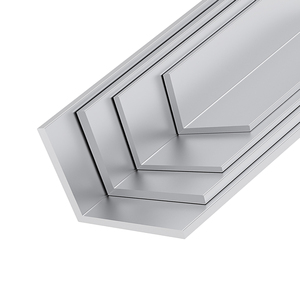
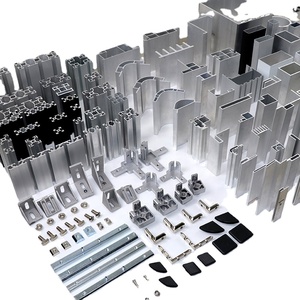
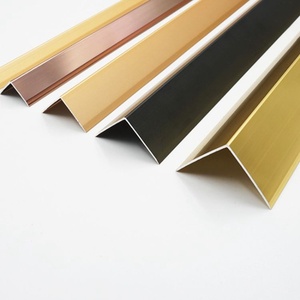
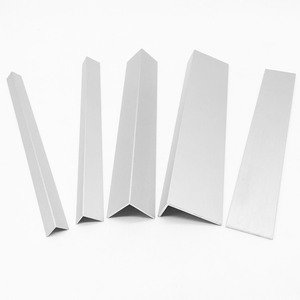
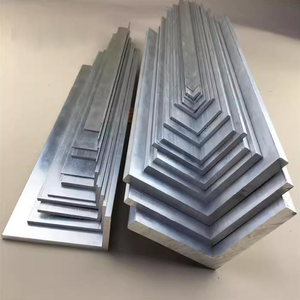
Aluminium batten systems are engineered profiles available in a variety of structural geometries, each optimized for specific acoustic, shading, ventilation, or aesthetic functions. Understanding these section shapes is essential for structural engineering calculations and subframe load analysis:
6063-T5/T6 alloys offer an ideal balance of smooth extrudability, superior anodizing clarity, and yield strength up to 210 MPa. For heavy structural brackets, 6061-T6 provides enhanced tensile performance (290 MPa).
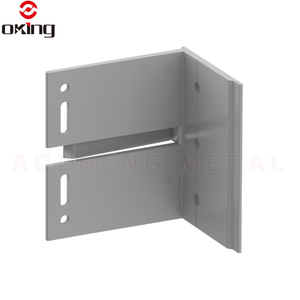
Designed for seamless integration with aluminum wall angle brackets, thermal break spacers, and continuous galvanized or aluminum sub-framing in high-rise rainscreen systems.
Leading Chinese exporters and extrusion factories operate integrated manufacturing environments where billet casting, die development, extrusion matrix pressing, heat treatment (aging ovens), surface processing, and precision fabrication exist under one unified Quality Management System (ISO 9001:2015).
In contrast to suppliers who outsource key steps, integrated manufacturing facilities maintain complete chain-of-custody tracking. Billet chemical composition (magnesium, silicon, iron ratios) is continuously verified via optical emission spectrometers, ensuring every extrusion batch meets rigorous EN 755 and ASTM B221 standards.
Equipped with CAD/CAM sinker EDM and wire-cutting machinery, master die-makers can produce custom section dies within 7–10 days, maintaining strict cross-sectional tolerances down to ±0.15mm (EN 12020-2).
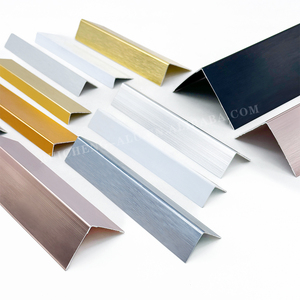
Fully automated vertical and horizontal powder coating lines applying Qualicoat Class 2/3 polyester coatings, together with 25-micron anodizing baths and 3D vacuum heat-transfer wood grain sublimation technology.
Complete secondary processing options, including precision mitre cutting, complex multi-axis CNC punching, bending, robotic TIG/MIG welding, and notch machining for immediate jobsite assembly.
| Alloy & Temper | Tensile Strength (MPa) | Yield Strength (MPa) | Recommended Finish | Best Architectural Application |
|---|---|---|---|---|
| 6063-T5 | ≥ 175 | ≥ 130 | Powder Coated / Wood Grain | Decorative Ceiling Battens, Interior Screening, Wall Trims |
| 6063-T6 | ≥ 205 | ≥ 180 | 20-25µm Anodized / PVDF | Exterior Rainscreen Battens, Sunshade Louvers, Long-Span Facades |
| 6061-T6 | ≥ 290 | ≥ 240 | Anodized / Mill Finish | Structural Angles, Dry-Hanging Bracket Systems, Heavy Marine Corners |
| 6005A-T6 | ≥ 270 | ≥ 225 | High-Durability Powder Coating | High Wind-Load Commercial Facades, Structural Railing Elements |
The architectural procurement landscape is undergoing a structural shift driven by stringent global building energy codes, carbon footprint disclosures, and modern methods of construction (MMC). Key trends reshaping how commercial contractors import aluminium batten profiles include:
With the implementation of mechanisms like Europe's Carbon Border Adjustment Mechanism (CBAM) and global LEED v4.1 certification benchmarks, multinational buyers require verified Environmental Product Declarations (EPDs). Premier Chinese exporters are rapidly transitioning to recycled scrap billets (using post-industrial and post-consumer aluminium) melted in hydro-powered smelters, lowering embodied carbon emissions from the industry average of 16 kg CO2e/kg down to under 4.0 kg CO2e/kg.
High jobsite labor costs across North America, Europe, and Australia have shifted procurement preferences toward pre-assembled batten modules. Rather than purchasing simple raw lengths, buyers now demand pre-punched, factory-mitred, and spring-clip integrated batten systems. This modular approach speeds up facade installation on site by over 60%.
Coastal developments in the Middle East, Southeast Asia, and coastal regions require maximum resistance to salt spray corrosion (ASTM B117 testing exceeding 3,000 hours) and intense UV degradation. Super-durable architectural powder coatings (Qualicoat Class 2 and FEVE/PVDF fluoropolymer liquids) offer up to 30-year color retention and gloss retention warranties, replacing traditional timber that requires costly annual maintenance.
Leading factories now supply fully parametric Autodesk Revit and IFC BIM models for their standard extrusion profiles. This allows facade consultants to simulate wind load pressures, thermal bridging, and structural deflection during the schematic design phase, streamlining technical sign-offs and bulk ordering.
Require custom profile drawings review, sample panels, or direct factory pricing for your upcoming commercial facade project? Contact our engineering sales desk now.