Direct from China's leading extrusion facility: High-yield structural profiles, precision-sealed access hatches, wall-trim extrusions, and marine-grade mounting brackets designed for modern cabinetry applications.
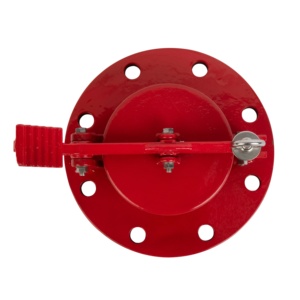
Leak-proof, vapor-tight measurement sampling hatch designed for industrial cabinets, fuel storage enclosures, and heavy-duty inspection ports.
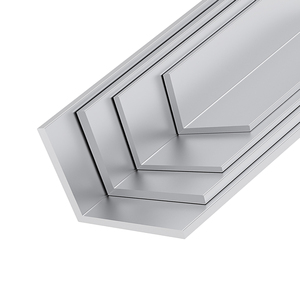
Precision structural angle extrusion engineered for modular cabinet framing, structural joinery, and clean 90-degree corner reinforcing.
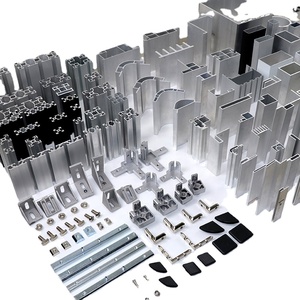
Architectural-grade square, round, and I-shape profiles featuring 3D heat-transfer wood grain finish for high-end luxury furniture and cabinetry.
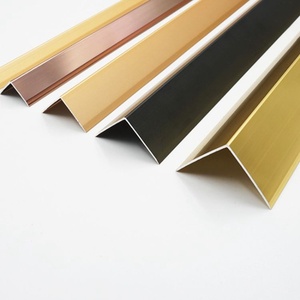
Ultra-narrow bezel and decorative angle profiles designed for modern handleless cabinet doors, glass-infill frames, and interior cabinetry edge banding.
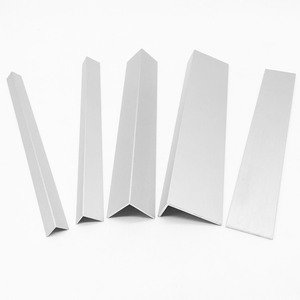
Fabrication-ready aluminum angle extrusion offering pre-machined punching, bending, and welding capabilities for modular kitchen carcasses.
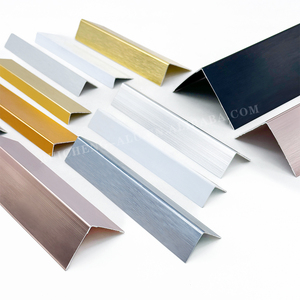
Heavy-gauge corner guard extrusions engineered for high-impact laboratory, commercial kitchen, and cleanroom cabinetry edge protection.
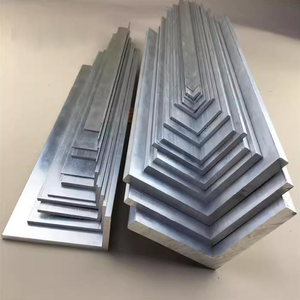
High-strength structural aluminum angles tailored for marine cabinetry, vessel galleys, outdoor kitchen islands, and high-salinity environments.
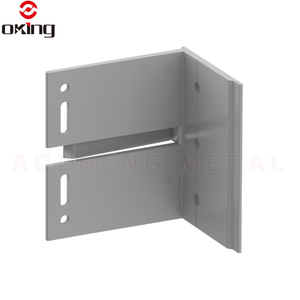
Engineered dry-hanging support brackets designed for heavy wall-mounted cabinet structures, stone counter loads, and facade cladding panel integration.
Combining world-class extrusion lines, automated vertical surface finishing, and CNC precision fabrication under one zero-defect manufacturing standard.
An in-depth whitepaper analysis on why global B2B buyers, architectural contractors, and furniture brands are transitioning from traditional wood composites to engineered all-aluminum cabinet systems.
In residential, commercial, and laboratory fit-outs, traditional cabinetry materials like medium-density fiberboard (MDF), particleboard, and plywood present persistent structural liabilities. Moisture absorption causes board swelling, delamination, and microbial growth, while chemical off-gassing (specifically formaldehyde emissions) poses strict indoor air quality compliance challenges under European REACH and US EPA Title VI regulations.
Modern engineered aluminium cabinets solve these vulnerabilities completely. Manufactured primarily from 6000-series magnesium-silicon aluminum alloys (such as 6063-T5 and 6061-T6), all-metal cabinet carcasses offer an operational lifespan exceeding 30 years with zero structural degradation. Key physical superiorities include:
Historically, metal cabinetry was restricted to industrial utility spaces due to aesthetic limitations. However, cutting-edge Chinese manufacturing facilities have revolutionized surface finishing technologies, enabling aluminum profiles to replicate organic textures while retaining superior metal durability.
Utilizes polyurethane powder base coats cured at 200°C followed by high-vacuum heat transfer of Italian wood-grain pigments. Replicates oak, walnut, and teak aesthetics with tactile texture and 15-year color retention.
An electro-chemical oxidation process growing an integral aluminum oxide protective layer directly into the metal matrix. Delivers unmatched scratch resistance (Mohs hardness 7-8) and metallic champagne, matte black, or bronze finishes.
Electrostatic application of architectural-grade thermosetting polyester or PVDF resins. Formulated to withstand intense UV exposure, thermal cycling, and aggressive chemical cleaning agents without chalking or flaking.
Freight logistics costs represent a major overhead for international procurement teams. Premier Chinese manufacturers have engineered patent-pending corner cleat mechanical locking systems and snap-fit structural extrusions that eliminate factory welding for cabinet carcasses.
Cabinets are shipped as Flat-Pack / Knock-Down (KD) modular kits. This engineering breakthrough increases ocean container packing density by up to 350%, reducing international freight cost per unit dramatically while allowing rapid on-site assembly with standard hex tools.
Compare metallurgical properties and surface engineering parameters to specify the exact profile grade for your project's environmental and load demands.
| Alloy & Temper | Tensile Strength (MPa) | Yield Strength (MPa) | Recommended Cabinet Component | Key Performance Feature |
|---|---|---|---|---|
| 6063-T5 | ≥ 185 | ≥ 145 | Cabinet Doors, Frame Profiles, Trims | Optimal surface smoothness; ideal for complex intricate cross-section extrusions. |
| 6063-T6 | ≥ 205 | ≥ 170 | Cabinet Carcass Frames, Load Beams | Higher artificial aging temperature yields elevated mechanical strength and stiffness. |
| 6061-T6 | ≥ 290 | ≥ 240 | Heavy Brackets, Wall Cladding Mounts | Structural structural alloy; excellent weldability and extreme shear load capacity. |
| 5083-H111 | ≥ 275 | ≥ 125 | Marine Cabinetry, Outdoor Galleys | High-magnesium non-heat-treatable alloy offering maximum immunity to sea-water corrosion. |
| Surface Treatment Type | Standard Film Thickness | Salt Spray Test (ASTM B117) | Pencil Hardness | Primary Aesthetic Option |
|---|---|---|---|---|
| Architectural Anodizing | 10 – 25 Microns (µm) | 1,000+ Hours Neutral | 9H (Integral Oxide Layer) | Natural Silver, Brushed Bronze, Satin Black |
| Superdurable Powder Coating | 60 – 80 Microns (µm) | 1,500+ Hours Neutral | 2H – 3H (Polymer Film) | Full RAL Palette, Fine Texture, Matte/Gloss |
| Wood Grain Sublimation | 70 – 90 Microns Total | 1,000+ Hours Neutral | 2H (Cured Polyurethane) | Oak, Walnut, Teak, Ebony Tactile Grains |
From custom profile die development to complete modular cabinet assembly, our end-to-end operational setup ensures rapid turnaround, cost efficiency, and rigorous quality assurance.
Our engineering team designs and cuts custom extrusion dies directly from client CAD/DWG drawings within 7 to 10 working days. We optimize wall thickness and structural internal ribbing to minimize profile linear weight while maintaining maximum load rigidity.
Every melt batch undergoes optical emission spectrometry (OES) analysis to verify exact chemical composition before extrusion. Finished profiles undergo Webster hardness testing, cross-hatch paint adhesion testing (ISO 2409), and eddy-current film thickness measurement.
To ensure zero surface scratches during sea transport, every individual profile is wrapped in PE protective film, interleaved with non-abrasive foam, strapped in heavy bundles, and encased in custom fumigated plywood crates or rigid honeycomb cartons.
Equipped with 6-meter long 4-axis CNC machining centers, automated punch presses, precision miter saws, and corner crimping machines. We deliver fully machined, pre-drilled, notched, and tapped profile components ready for instant assembly.
Operating with closed-loop wastewater treatment plants, chromate-free pre-treatment chemical lines (SurTec / Henkel chemistry), and energy-efficient gas-fired aging furnaces. Full compliance with international environmental standards.
Direct communication with experienced metallurgical engineers and English-fluent project managers. We provide full commercial paperwork, COA (Certificate of Analysis), bill of materials (BOM) optimization, and flexible container staging.
Detailed technical answers addressing alloy selection, die tooling, quality control, custom finishes, and international shipping for all-aluminum cabinet orders.
6063-T5 is the industry standard alloy for decorative cabinet frame extrusions, door bezels, and trim profiles. It offers superior surface finish smoothness, enabling flawless anodizing and powder coating results with complex cross-sectional detail. 6061-T6 possesses higher yield strength (≥240 MPa vs ≥145 MPa) and hardness, making it ideal for heavy structural carcass load frames, mounting brackets, and commercial laboratory support structures that bear extreme weight.
For high-humidity kitchens or coastal regions, we recommend specifying Architectural Anodizing Class 15 or Class 25 (15–25 microns oxide thickness) or Qualicoat-certified Superdurable Powder Coating with a dry film thickness (DFT) of 60–80 microns over a chromate-free conversion layer. Both treatments easily surpass 1,000 hours of continuous Neutral Salt Spray (ASTM B117) testing without blistering, pitting, or film lifting.
Upon receipt of your DWG/DXF cross-sectional drawings, our engineering department performs a Design for Manufacturing (DFM) review within 24 hours. Die fabrication takes 7 to 10 days. First-article extruded samples (cut length with specified surface finish) are shipped via express air freight for your physical inspection and written sign-off before full bulk production begins.
We utilize flat-pack Knock-Down (KD) packaging protocols. Extruded profiles are wrapped individually in protective PE film, grouped with EPDM foam spacers, and packed into heavy-duty corrugated export cartons or fumigated wooden crates. Knock-down shipping reduces container volume by up to 70% compared to pre-assembled cabinets, dramatically reducing ocean freight expenditure per unit.
Yes. Premium engineered aluminum cabinet doors utilize a double-skin sandwich construction featuring an internal aluminum honeycomb core or high-density sound-dampening insulation bonded with polyurethane adhesives. Combined with perimeter EPDM acoustic rubber gaskets and soft-close hydraulic 304 stainless steel hinges, the doors deliver a solid, luxurious, quiet tactile feel equivalent to high-end solid timber.
All production runs comply strictly with European standard EN 755 / EN 12020 and Chinese GB/T 5237 architectural aluminum quality norms. Every shipment is accompanied by a formal Mill Test Certificate (MTC) detailing chemical composition analysis, mechanical tensile/yield test results, film thickness inspection logs, and coating adhesion test reports. Third-party inspections (SGS, TÜV, Intertek) are fully supported.