Discover our top-tier export range engineered for demanding industrial, architectural, and marine environments. Manufactured in compliance with ISO 9001 and ISO 14001 standards.
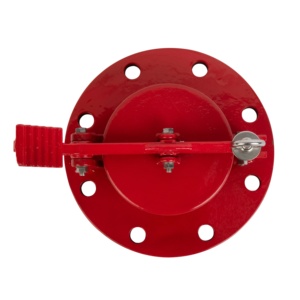
Heavy-duty aluminum gauge hatch featuring leak-proof seals and lock mechanisms designed for oil tank measurement and sampling ports.
Contact Us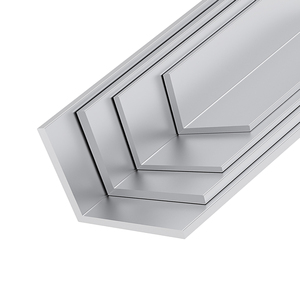
Structural 6063/6061 T5 T6 structural corner profiles with smooth electrophoretic surface coating for high corrosion resistance.
Contact Us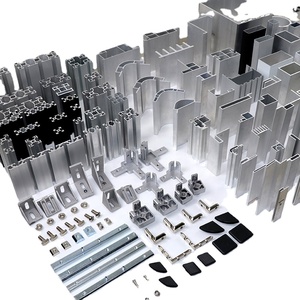
Square, round, and I-shape aluminum rails available in realistic wood-grain finish and weather-resistant electrophoretic sealant.
Contact Us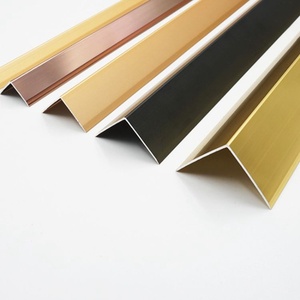
High-precision aluminum corner trim profiles engineered for curtain walls, structural framing, and internal wall joint protections.
Contact Us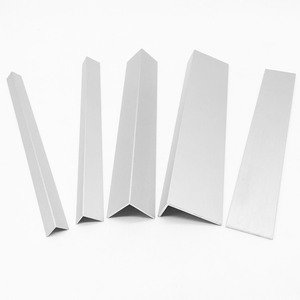
Factory fabricated angle trim compatible with cutting, bending, welding, and electro-coating processing services for modern interiors.
Contact Us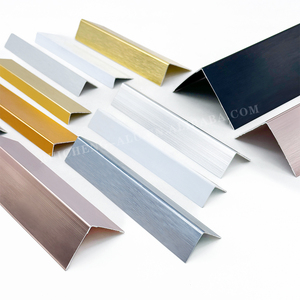
Multi-purpose architectural aluminum extrusion profiles supporting custom cut, punch, and weld processing with anti-scratch coating.
Contact Us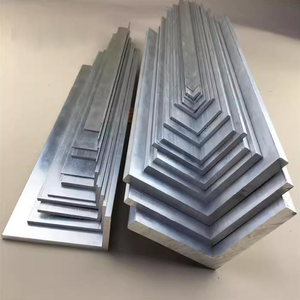
High-strength marine alloy aluminum angles treated with electrophoresis e-coat for superior protection against salt fog and seawater pitting.
Contact Us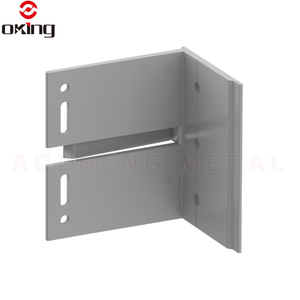
Structural cladding support system brackets designed for heavy wind-load resistance, precise thermal movement, and long-term durability.
Contact UsHow China’s advanced electrodeposition (E-coating) facilities are transforming global B2B procurement standards through scientific bath management, automation, and eco-friendly resin technologies.
Electrophoretic coating—commonly referred to as E-coating or Electrodeposition (ED)—represents the pinnacle of industrial liquid surface treatment for metallic components. Unlike traditional spray coatings or anodizing alone, electrophoresis utilizes electrical current to deposit water-soluble acrylic or fluorocarbon resins onto an conductive metal surface (primarily aluminum alloy extrusions and steel substrates). Over the past decade, Chinese manufacturing hubs have rapidly transformed from mass-volume extruders into high-precision, eco-certified surface finishing powerhouses.
Historically, early e-coating lines relied on Anodic Electrophoresis (AED), where the workpiece served as the anode. While cost-effective, AED caused minor metal ion dissolution into the paint bath, leading to slight film discoloration and lower salt-spray performance. Leading Chinese exporters have fully transitioned to Cathodic Electrodeposition (CED / K-Type). In CED, the aluminum extrusion functions as the cathode, preventing substrate ionization. This results in pristine film clarity, superior edge coverage on complex hollow extrusions, and enhanced resistance to acidic atmospheric pollutants.
Global architectural trends have shifted dramatically away from high-gloss surfaces toward modern matte, satin, and sandblasted aesthetic textures. Advanced Chinese suppliers now deploy Matte Electrophoresis Coating systems. By utilizing micro-particle light diffusion resins and automated chemical etching pre-treatment, these profiles achieve a silky metallic touch, zero optical reflection glare, and outstanding fingerprint resistance—making them the top choice for luxury facade curtain walls, high-end window frames, and interior structural partitions.
Driven by strict national decarbonization mandates and global ESG frameworks (such as the EU's Carbon Border Adjustment Mechanism), premier Chinese electrophoresis coating manufacturers utilize 100% waterborne resin baths. Ultrafiltration (UF) multi-stage rinse systems capture and recycle up to 98.5% of drag-out paint solids while purifying wash water in a continuous closed loop, eliminating volatile organic compound (VOC) emissions during curing cycles.
Double-barrier layer (Anodize Oxide + Electrodeposited Acrylic Seal) withstands severe marine fog, chemical acid rain, and coastal saline corrosion exceeding 2,000 continuous hours in neutral salt spray testing.
Electrical field deposition guarantees 100% uniform paint coverage inside deep internal chambers, sharp radius corners, and complex hollow die geometries where manual spray guns fail.
Ultra-thin, controlled dry film thickness (typically 15 to 22 microns total) maintains strict architectural engineering tolerances for thermal break crimping, window track joinery, and snap-fit assemblies.
From raw aluminum billet alloy selection to custom die tooling, automated e-coating bath chemical management, and global export packaging, our manufacturing workflow ensures uncompromising quality at every step.
Our engineering team analyzes cross-sectional CAD drawings (DWG/DXF), wall thickness ratios, and mechanical load limits prior to die production. We deliver approved first-article samples within 10 to 14 days for bespoke architectural sections.
Utilizing primary 99.7% purity aluminum ingots, we extrude 6063, 6061, and 6005A alloys in T5 and T6 tempers. Precise solution heat treatment and artificial aging ovens guarantee optimal yield strength and elongation specs.
Electrophoresis coating quality depends heavily on bath chemistry stability. Continuous online monitoring of conductivity (800–1400 µS/cm), pH levels (5.8–6.4), solid content (12%–15%), and bath temperature guarantees batch-to-batch color consistency.
To eliminate cross-contamination and coating defects, our production facility houses all critical processes under a unified quality management umbrella. Each export batch undergoes rigorous pre-shipment laboratory testing documented with Mill Test Certificates (MTC):
Navigating global supply chain shifts, decarbonization metrics, and strategic purchasing practices when sourcing electrocoated aluminum extrusions from China.
As international infrastructure developers, facade contractors, and industrial OEMs refine their global procurement strategies, the sourcing landscape for electrocoated aluminum from China is evolving rapidly. Successful buyers are moving beyond simple FOB unit cost comparisons toward comprehensive value chain optimization.
While low-tier powder-coated extrusions may offer lower initial purchase prices, their lifetime cost in humid, coastal, or high-UV environments can be significantly higher due to premature chalking, filiform corrosion, and costly site maintenance. Procurement teams are increasingly specifying Cathodic Electrophoresis (CED) profiles for long-lifespan commercial developments. The extended 25+ year durability cycle eliminates re-painting and structural joint degradation, offering a far lower TCO over the building's lifecycle.
Leading Chinese exporters are implementing batch-level QR code tracking across extruded bundles. Overseas procurement managers can scan shipment tags to access real-time quality control documentation, including alloy melt chemistry certificates, anodizing bath logs, e-coat film thickness maps, and packing photos before the vessel departs the port of loading.
International freight handling requires robust protective packaging to prevent surface scratching during multi-modal transport. Advanced manufacturers now standardize export bundling with:
| Finish Specification | Electrophoresis Coating (CED) | Architectural Powder Coating | Standard Anodizing (Class I) | PVDF Liquid Spraying |
|---|---|---|---|---|
| Typical Total Film Thickness | 21 – 27 µm (Anodize + E-coat) | 60 – 80 µm | 15 – 25 µm | 35 – 45 µm (2-3 Coat) |
| Corrosion Resistance (Salt Spray) | 2,000+ Hours (C5-M Rated) | 1,000 – 1,500 Hours | 1,000 Hours | 2,000+ Hours |
| Hollow Profile Throwing Power | 100% Uniform Deposition | Poor (Faraday Cage Effect) | Good | Moderate / Poor in Deep Cavities |
| Surface Hardness & Scratch Resistance | Excellent (≥ 3H Pencil Hardness) | Moderate (1H - 2H) | High Hardness (Oxide) | Soft (FEP/PVDF Resin Base) |
| Environmental Profile | 0 VOC / Waterborne Bath | Zero Solvent / Recyclable | Acidic Waste Water Treatment | High Solvent VOC Emissions |
| Overall Cost-Efficiency Ratio | Optimal Long-Term Value | Low Initial Cost | Moderate Initial Cost | High Initial Cost |
In-depth technical and operational answers to assist international buyers, engineers, and sourcing directors in evaluating Chinese electrophoresis suppliers.
Consult with our senior metallurgical engineers and surface coating specialists. Receive instant section feasibility analysis, DWG profile evaluations, and competitive direct factory quotes within 24 hours.
Contact Us