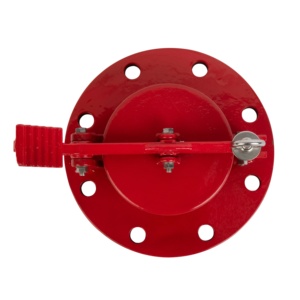
Precision Sealed Hatch & Commercial Frame Systems
Engineered for leak-proof sealing, heavy impact resistance, and structural air-tight integrity in specialized commercial glass door assemblies.
Get Catalog
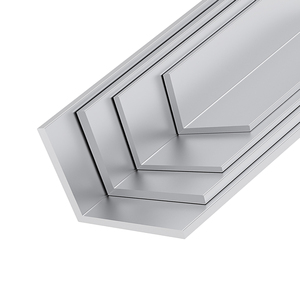
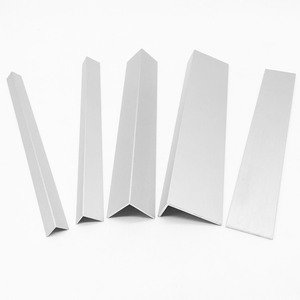
6000 Series Architectural L-Corner Glass Door Profiles
High-strength 6063-T5/T6 extruded corner profiles designed for structural glass framing, structural reinforcement, and sleek perimeter jointing.
Get Catalog
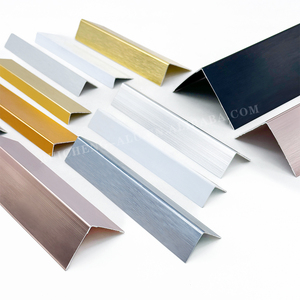
Custom Wood-Grain Thermal Glass Door Framing Rails
Combines organic wood aesthetic via 3D sublimation technology with structural alloy durability for luxury bi-fold and sliding glass doors.
Get Catalog
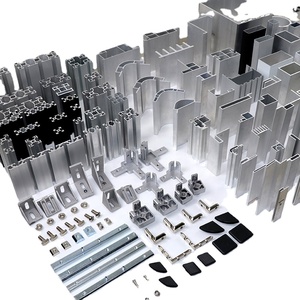
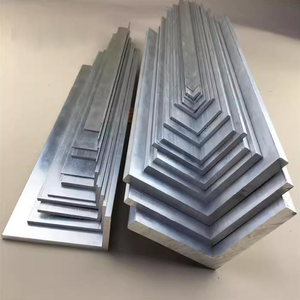
High-Precision Structural Corner Glass Profiles
Bespoke extruded aluminum corner channels providing maximum shear load capacity for frameless glass door surrounds and curtain wall entries.
Get Catalog
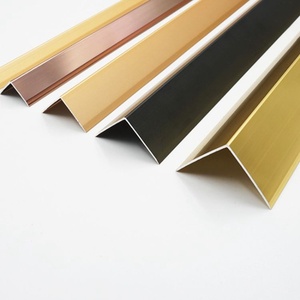
Powder-Coated Wall Angle Trim & Glass Transition Tracks
Qualicoat Class 2 finish profiles engineered for seamless wall-to-glass structural transitions, cutting, bending, and custom jobsite welding.
Get Catalog
Heavy-Duty Glass Corner Protection & Edge Channels
Precision punched and CNC-machined edge trims crafted to protect heavy tempered glass panels against peripheral point impact.
Get Catalog
Marine-Grade High-Corrosion Structural Glass Frame Rails
Specialized marine alloy extrusions engineered to withstand high saline coastal atmospheres and intense wind-load pressure.
Get Catalog
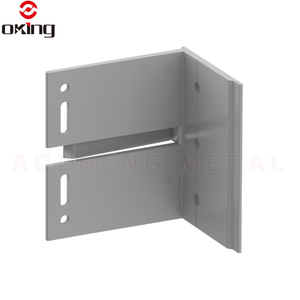
Curtain Wall Dry-Hanging Sub-Frame Glass Brackets
Heavy-gauge aluminum anchor brackets supporting unitized glass door assemblies and ventilated facade cladding systems.
Get Catalog
Architectural Whitepaper
State of the Art Commercial Glass Door Manufacturing in China
The global demand for high-performance architectural glass doors has undergone a fundamental paradigm shift. Modern commercial towers, luxury residential complexes, public infrastructure, and hospitality destinations require far more than basic spatial transparency—they demand zero-sightline design, exceptional thermal insulation, bullet and impact resistance, acoustic dampening, and extreme structural durability. As China’s leading glass door manufacturer and custom aluminum profile supplier, our integrated production facility leads this engineering revolution by combining high-tonnage extrusion presses, deep-processing CNC machining, advanced surface finishing, and world-class glass lamination technology under a single centralized quality control matrix.
Traditional glass door manufacturing frequently suffered from fragmented supply chains—where aluminum frames were extruded at one site, glass panels processed at another, and hardware assembled by third-party integrators. This fragmentation introduced thermal bridge defects, structural tolerance misalignments, finish degradation, and unpredictable lead times. By bringing metallurgical billet casting, die development, precision extrusion, surface anodizing, powder coating, thermal break assembly, and insulated glass unit (IGU) fabrication under one roof, we eliminate intermediate supply chain friction and deliver factory-certified glass door systems engineered to exact global specifications.
10,000T+
Extrusion Press Capacity
Qualicoat
Class 2 & 3 Powder Finishing
STC 48dB
Max Acoustic Noise Reduction
U-0.8
Thermal Performance (W/m²K)
Uncompromising Technical Engineering & Metallurgical Superiority
At the core of every structural glass door frame lies primary-grade aluminum alloy. We utilize certified 6063-T5, 6063-T6, and 6061-T6 aluminum billets, subjected to homogenizing heat treatment prior to extrusion. This ensures uniform grain structure, optimal tensile yield strength, and superior surface quality required for high-grade anodizing or fluorocarbon (PVDF) electrostatic painting.
- Structural Mechanical Strength: Yield strengths exceeding 210 MPa enable our narrow-frame glass sliding and bi-fold doors to support single glass leaf weights up to 450 kg without frame sagging or roller track binding over time.
- Polyamide Thermal Barriers (PA66GF25): Utilizing 25% glass-fiber reinforced polyamide thermal break strips mechanically crimped into dual-chamber aluminum profiles, our thermally broken glass doors reduce conductive heat transfer by over 65%, earning top ENERGY STAR® and Passivhaus certifications.
- Hermetic Double & Triple Glazing (IGU): Equipped with warm-edge flexible spacers, argon gas filling (90%+ concentration), structural silicone secondary seals, and low-emissivity (Low-E) soft coatings, our glass panels deliver solar heat gain coefficients (SHGC) tailored to both equatorial heat and sub-zero freeze environments.
Product Systems
B2B Commercial Glass Door System Portfolio
Selecting the optimal glass door configuration requires matching structural load calculations, traffic volume, wind pressure resistance, and spatial geometry. Below is an engineering breakdown of our top-recommended commercial glass door system classifications.
Heavy-Duty Lift & Slide Doors
Engineered for expansive architectural openings. Features smooth stainless steel gear tracks, internal multi-point locking, and EPDM continuous gaskets for superior water tightness against torrential rains.
Ultra-Slim Bi-Fold Glass Doors
Sleek 20mm sightline vertical mullions with concealed top-hung roller hinges. Allows up to 95% full opening clear space with dual-seal weather stripping and low-threshold ADA compliant sills.
Unitized Glass Entrance Systems
Factory-assembled cassettes incorporating structural silicone glazing (SSG). Designed for rapid crane-lift installation on high-rise office towers, shopping malls, and airport terminals.
High-Security Patch Fitting Doors
12mm to 19mm heavy toughened safety glass paired with 304/316 stainless steel patch fittings, floor springs, smart access control locks, and anti-panic hardware for corporate plazas.
Acoustic Office Glass Partitions
Double-glazed acoustic laminated glass doors with drop-down automatic bottom acoustic seals, delivering sound isolation ratings up to STC 48dB for executive boardrooms.
Automatic Sensor Sliding Doors
High-frequency radar and infrared safety curtain motorized sliding doors driven by brushless DC motors, heavy-duty cogged belts, and emergency battery backup systems.
Performance Matrix & Technical Specifications
| System Classification |
Alloy & Temper |
Glass Configuration |
U-Value (W/m²K) |
Wind Load (kPa) |
Acoustic (STC) |
| Thermal Lift & Slide |
6063-T6 Aluminum |
6mm Low-E + 16Ar + 6mm Toughened |
1.2 - 1.4 |
4.5 kPa |
38 - 42 dB |
| Narrow Sightline Bi-Fold |
6060-T66 High Yield |
5mm + 12Ar + 5mm Insulated |
1.5 - 1.8 |
3.2 kPa |
35 - 38 dB |
| Unitized Structural Entrance |
6061-T6 Structural |
8mm Low-E + 12Ar + 8mm Laminated |
0.8 - 1.1 |
5.5 kPa |
42 - 45 dB |
| Frameless Patch Fitting Door |
316 Stainless / 6063-T5 |
12mm / 15mm Monolithic Tempered |
N/A (Interior/Facade) |
2.2 kPa |
30 - 32 dB |
| Acoustic Partition System |
6063-T5 Anodized |
6mm + 0.76PVB + 6mm Laminated |
2.1 - 2.4 |
1.8 kPa |
45 - 48 dB |
Strategic Procurement
Future B2B Procurement Trends for Commercial Glass Doors
As global building codes adopt stringent decarbonization mandates (such as the EU Energy Performance of Buildings Directive and US Title 24), commercial real estate developers and general contractors are completely rethinking their architectural sourcing strategies. Procurement managers are no longer buying individual commodities; they are selecting integrated full-lifecycle manufacturing partners in China capable of satisfying carbon audit transparency, rapid modular deployment, and smart technological integration.
1. Net-Zero Carbon Mandates & Decarbonized Recycled Billet Sourcing
The transition toward low-embodied-carbon construction materials is now a critical procurement criterion. Top tier Chinese manufacturers are expanding utilization of clean hydropower-smelted aluminum and post-industrial recycled aluminum alloys. By sourcing billets certified with carbon footprints below 4.0 kg CO2/kg Al (compared to industry averages exceeding 12.0 kg CO2/kg), procurement directors can dramatically improve LEED v4.1 and BREEAM building accreditation scores.
2. Vacuum Insulated Glass (VIG) & Next-Gen Electrochromic Glass Integration
The traditional double-glazed insulated panel is gradually giving way to Vacuum Insulated Glass (VIG) technology. Featuring a microscopic 0.2mm vacuum space between glass panes held apart by micro-support pillars, VIG achieves center-of-glass U-values as low as 0.40 W/m²K in a panel thickness under 10mm. Furthermore, smart electrochromic tinting glass—capable of adjusting light transmittance dynamically via building management system (BMS) signal controls—is fast becoming standard for high-end executive glass doors.
3. Pre-engineered Modular Prefabrication & Off-Site Assembly
Jobsite labor costs in North America, Western Europe, and Australasia have surged significantly. In response, international buyers are shifting toward 100% pre-engineered glass door kits. Profiles are fully pre-cut, CNC-notched, drilled, sealed, and test-fitted in China prior to flat-pack ocean shipping. This direct-to-site off-site prefabrication strategy reduces jobsite installation labor hours by up to 60% and eliminates messy on-site cutting scrap.
Engineering Evolution
Glass Door Manufacturing & Processing Innovations
The manufacturing process of high-grade glass doors has evolved from manual assembly to ultra-precise, automated industrial robotics. Below is an overview of how advanced metallurgical and chemical processing innovations elevate product lifespan and aesthetic durability.
Advanced Surface Finishing Technologies
Corrosion resistance is paramount, particularly for coastal installations subjected to high saline humidity (C5-M atmospheric rating). Our manufacturing facilities utilize three state-of-the-art surface treatment lines:
- Qualicoat Class 2 & 3 Architectural Powder Coating: Utilizing electrostatic fluorocarbon and super-durable polyester powders cured at precise thermal curves (180°C - 200°C). Offers exceptional color retention, chalk resistance, and zero cracking under intense UV radiation over a 25-year service life.
- Anodic Oxidation (25 Micron Film Build): An electro-chemical process that grows a sapphire-hard aluminum oxide layer integral to the metal surface. Provides unexcelled metallic feel in natural silver, champagne, dark bronze, and deep satin black.
- Vacuum Heat Transfer Wood Sublimation: Applies realistic timber patterns (Oak, Walnut, Teak) onto a powder-coated base frame. Provides the warm aesthetic of natural hardwood without warping, termite infestation, or recurring annual maintenance.
Glass Lamination Interlayers: PVB vs. SGP Structural Film
Safety glass failure is unacceptable in public commercial buildings. We utilize SentryGlas® (SGP) ionoplast interlayers alongside traditional Polyvinyl Butyral (PVB). SGP interlayers are 5 times stiffer and 100 times tougher than standard PVB, ensuring that even if both glass panes shatter under extreme hurricane wind loads or explosive blast impacts, the glass panel remains upright and securely anchored within its aluminum perimeter frame.
Factory Advantage
Why Global Sourcing Partners Choose Our Facility
Navigating cross-border architectural procurement requires a trusted manufacturing partner with verified E-E-A-T (Experience, Expertise, Authoritativeness, and Trustworthiness) metrics. Here is how our production infrastructure guarantees seamless project execution:
Full In-House Supply Chain Integration
From aluminum alloy ingot smelting and custom die extrusion to deep CNC milling, anodizing, double glazing, and final packaging—100% of production occurs in-house with zero sub-contracting risk.
Custom Dies & BIM CAD Engineering
Our dedicated engineering department converts client architectural elevation DWG/DXF drawings into optimized extrusion dies within 7-10 days, providing full 3D Revit BIM model support.
Seaworthy Export Stillage Packaging
To prevent ocean transit scratching, bending, or glass breakage, frames are wrapped in peelable protective film, interleaved with corner guards, and loaded into heavy steel stillages or custom plywood crates.
B2B Help Center
Frequently Asked Questions for Glass Door Procurement
Direct answers to technical, logistical, quality assurance, and engineering queries commonly raised by international architectural buyers.
How do your glass door systems ensure compliance with North American and European building codes?
Our glass doors are systematically tested by accredited third-party laboratories (such as Intertek and SGS) in accordance with ASTM E283 (air leakage), ASTM E331 (water penetration), ASTM E330 (structural performance), EN 12152, and AS/NZS 2208 safety glass standards. Full test reports and factory production control certificates are provided prior to shipment.
What aluminum alloy grades and tempers are best suited for high-traffic entry doors?
For heavy-duty commercial entrance doors, we specify 6063-T6 or 6061-T6 aluminum alloys. T6 temper heat-treatment increases tensile strength and mechanical hardness significantly compared to standard T5, preventing frame flexure under continuous door closer actuation and high wind pressure loads.
What is the typical lead time for custom die fabrication and sample sign-off?
New custom profile die development typically takes 7 to 10 working days. First-article extruded samples, accompanied by dimensional measurement reports and surface finish swatches, are dispatched via express air courier for client sign-off within 14 days total. Mass production commences immediately upon written sample approval.
Can you factory pre-machine hardware mortises and pre-install locking mechanisms?
Yes. Utilizing 5-axis CNC machining centers, all hinge cutouts, lock body mortises, flush bolt slots, panic hardware mounting holes, and wire pathways for electric smart strikes are precision-milled in the factory based on hardware template drawings. This ensures 100% accurate alignment and saves extensive jobsite labor.
What surface treatment is recommended for buildings located in coastal environments?
For coastal or marine environments (within 5 km of saltwater), we strongly recommend either PVDF (fluorocarbon) 3-coat finish meeting AAMA 2605 specifications or 25-micron thick high-build anodic oxidation. Both processes effectively resist salt spray corrosion, pitting, and chemical attack under extreme marine exposure.
How are insulated glass unit (IGU) seal failures prevented during ocean transport through varying atmospheric pressures?
For insulated glass shipping across ocean routes involving high altitude changes or temperature swings, we equip double-glazed panels with capillary breathing tubes or equalize pressure prior to hermetic sealing. Furthermore, dual-seal structural silicone and polyisobutylene (PIB) primary seals prevent moisture vapor ingress throughout shipping and installation.
What acoustic performance (STC/Rw) can be achieved with double glass doors?
Depending on glass configuration, our acoustic partition and door systems achieve sound transmission ratings from STC 35dB up to STC 48dB. Achieving maximum acoustic isolation involves using asymmetric glass thicknesses (e.g., 6mm + 8mm) with PVB acoustic interlayers, combined with dual perimeter EPDM compression gaskets and automatic drop-down door bottom seals.
What are the order Minimum Quantities (MOQ) for custom architectural aluminum extrusions?
Standard profile stock order MOQ starts at 500 kg per section profile. For custom-designed extrusions requiring dedicated die tooling, our typical MOQ is 1 metric ton per profile section, with die fees fully waived or refunded once cumulative order volumes surpass agreed contract thresholds.
How do you guarantee batch-to-batch color uniformity across large multi-phase real estate projects?
We maintain strict digital colorimetry control using spectrophotometers. Powder coating batches utilize master powder lots certified under identical production numbers, while anodizing tanks are governed by automated computerized current density and temperature controllers. Spectrophotometer Delta E (ΔE) color variation is strictly held within ≤ 0.8 units across all project phases.
What warranty coverage is provided with your commercial glass door assemblies?
We provide a standard 10-year comprehensive warranty covering structural aluminum extrusions, thermal break integrity, and insulated glass seal failure. Fluorocarbon (PVDF) and Qualicoat Class 2 surface coatings are backed by 15-to-20 year finish warranties against chalking, cracking, and excessive fading under standard atmospheric exposure.
Transform Your Architectural Entrance Project Today
Partner with China’s premier glass door manufacturer and custom aluminum extruder. Request complete product catalogs, CAD cross-sections, thermal calculation reports, and factory direct price quotes.