Engineered for architectural facades, structural framing, maritime applications, and heavy-duty industrial seals with strict mechanical tolerances.
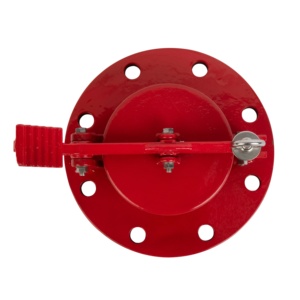
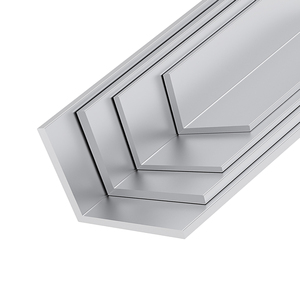
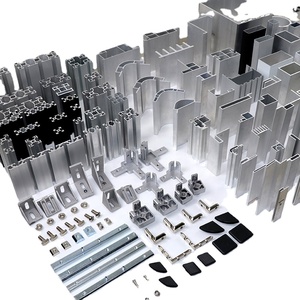
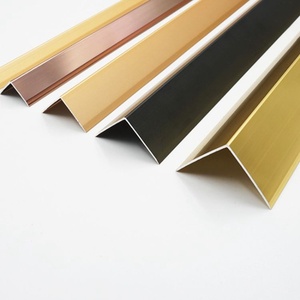
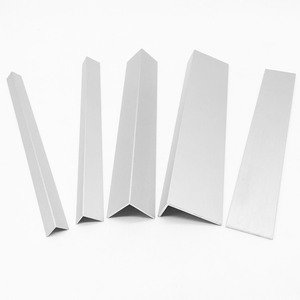
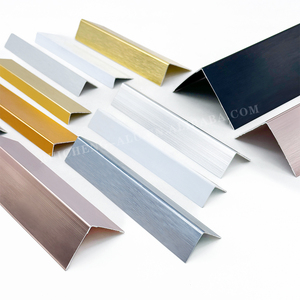
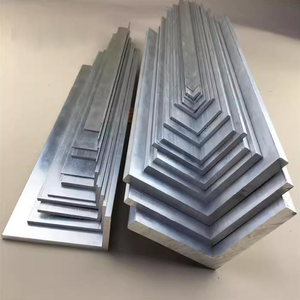
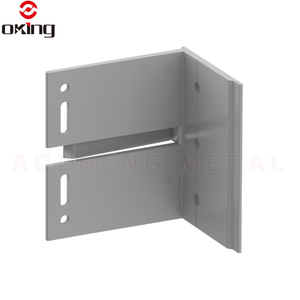
Combining advanced extrusion metallurgy with automated mechanical brushing and electrochemical anodizing lines under one integrated facility.
Operating 12 direct-drive hydraulic extrusion presses ranging from 800 to 3,600 metric tons. We process prime-grade 6063, 6061, and 6082 aluminum billets, ensuring consistent alloy purity, grain structure, and zero intergranular defects.
Equipped with 6 multi-head automated wire-brushing units. Our specialized abrasive nylon and stainless steel wire wheels create uniform, parallel hairline textures (Ra 0.4–0.8 µm) without chatter marks or surface waviness.
Vertical and horizontal sulfuric acid anodizing lines with automated nickel-acetate hot sealing. We guarantee film thickness compliance up to 25 microns (Qualanod certified) for superior outdoor corrosion and UV resistance.
Rapid tooling design via 3D CAD/CAM and finite element simulation (FEA) to eliminate extrusion dead zones. We manufacture custom dies in-house with lead times under 10 business days for complex cross-sectional geometries.
Post-processing including precision miter cutting, multi-axis CNC milling, punching, bending, tapping, and structural welding. OEM components arrive site-ready or assembly-ready for global installation.
Every profile length is wrapped with non-staining protective film, interleaved with pearl cotton, and packed in fumigated wooden crates. Complete export documentation (CO, Form E, SGS/TÜV inspection) provided.
Brushed aluminium profiles represent a core material segment across modern architecture, interior wall trim, luxury consumer electronics, transportation, and industrial enclosures. Achieving a flawless brushed finish requires rigorous metallurgical control starting from the casting house down to the final anodizing seal.
Selecting the correct aluminum alloy is crucial for mechanical performance and optical finish consistency. In wholesale manufacturing, three 6000-series alloys dominate the extrusion landscape:
| Alloy Grade | Magnesium (Mg) % | Silicon (Si) % | Tensile Strength (MPa) | Surface Finish Quality | Primary Industrial Applications |
|---|---|---|---|---|---|
| 6063 (T5/T6) | 0.45 – 0.90 | 0.20 – 0.60 | ≥ 205 (T6) | Exceptional (Optimum for Anodizing) | Architectural trims, curtain walls, window profiles, decorative angles. |
| 6061 (T6) | 0.80 – 1.20 | 0.40 – 0.80 | ≥ 310 (T6) | Good (Slightly darker brushed tone) | Structural brackets, marine angles, industrial machinery, oil hatch frames. |
| 6082 (T6) | 0.60 – 1.20 | 0.70 – 1.30 | ≥ 340 (T6) | Moderate (Structural grain) | Heavy-duty structural bridges, crane girders, high-stress load brackets. |
For pure decorative appeal and uniform grain formation, 6063 alloy is preferred due to its balanced Mg-Si ratio, which minimizes iron-rich phase precipitation (Al-Fe-Si) that causes dark streaks during the anodizing process. When structural load-bearing capacity is paramount—such as in curtain wall brackets or marine hatches—6061-T6 is specified, combining higher yield strength with acceptable brushing response.
Technical Information Gain: Iron content (Fe) in raw billets must be maintained below 0.18% for decorative brushed profiles. Fe concentrations above 0.25% create microscopic metallic inclusions that cause non-uniform light reflection and gray cast after electrochemical anodizing.
Mechanical brushing transforms a smooth mill-finish profile into a textured surface with unidirectional linear grain lines. The process relies on high-speed rotating wheels embedded with abrasives. Key process parameters include:
• Abrasive Grit Rating: Standard industrial options range from #180 (coarse hairline) to #240, #320, and #400 (ultra-fine satin brushed finish). Finer grits yield a smooth, tactile touch suited for interior decorative trims, whereas coarser grits create distinct light-scattering effects suited for exterior architectural facades.
• Wheel Surface Speed: Maintained strictly between 1,200 and 1,800 RPM. Excess speed causes localized thermal buildup on the aluminium substrate, leading to micro-melting and distorted grain structures.
• Coolant & Lubrication Lubrication: Emulsified oil mist or water-soluble coolants are continuously sprayed during high-speed brushing to flush away aluminium dust, preventing particle embedding and wheel clogging.
Post-brushing, aluminium profiles undergo chemical degreasing, acid etching, and sulfuric acid anodizing (15–20% H2SO4 electrolyte bath at 18–22°C). This process converts the metallic surface into a porous aluminum oxide layer (Al2O3).
To pass international architectural standards (such as AAMA 611 or Qualanod), film thickness must reach Class 10 (10–14 µm) for indoor trim or Class 20/25 (20–25 µm) for external architectural installations. Final sealing—accomplished via hot deionized water (≥ 96°C) or cold nickel-fluoride sealing—closes the porous anodic structure, preventing dirt accumulation, corrosion initiation, and finger-print staining.
The wholesale market for brushed aluminium extrusions in China is undergoing a massive transformation driven by decarbonization mandates, automated quality control, and supply chain vertical integration. Global B2B buyers must navigate these emerging trends to ensure long-term commercial competitiveness and product quality.
With the implementation of the European Union's Carbon Border Adjustment Mechanism (CBAM) and global ESG disclosures, the carbon footprint of imported aluminium profiles is now a direct cost driver. Leading Chinese manufacturers are shifting raw material procurement from coal-powered smelters in northern regions to hydro-powered primary aluminium producers in Yunnan and Sichuan provinces.
Hydro-powered aluminium billets yield an embodied carbon footprint below 4.0 kg CO2e/kg Al, compared to traditional coal-based smelting producing 14.0–16.0 kg CO2e/kg Al. Furthermore, closed-loop scrap recycling systems within extrusion plants allow for up to 20–30% pre-consumer recycled content without compromising chemical purity or mechanical temper specifications.
Leading tier-1 wholesale manufacturers in China have upgraded from manual quality sampling to inline automated optical inspection (AOI) powered by machine vision AI. Cameras positioned immediately after the brushing and anodizing exit lines scan 100% of profile surfaces at speeds up to 30 meters per minute.
Quality Assurance Benchmark: AI optical vision systems detect surface defects down to 0.05 mm2—including micro-scratches, uneven brush density, anodizing blisters, and die-line ridges—instantly flagging out-of-spec lengths before final bundling and export packaging.
A major advantage of sourcing directly from verified Chinese wholesale factories is transparent, formula-based cost calculation. Global buyers should evaluate procurement quotes against the standard industry formula:
Total Unit Price / Ton = LME Spot Aluminium Ingot Price + Extrusion Processing Premium + Mechanical Brushing & Anodizing Fee + Packing/Logistics Cost
By decoupling metal market fluctuation risks from fabrication premiums, procurement teams can establish transparent multi-year contracts with predictable processing margins.
Understanding the end-to-end production sequence provides procurement engineers with the criteria necessary to audit supplier capability and inspect factory quality plans (QA/QC).
| Process Stage | Core Machinery & Equipment | Critical Control Parameters | Defect Mode Prevented |
|---|---|---|---|
| 1. Billet Heating | Gas-fired rapid billet heater with log shear | Billet temperature: 460°C – 500°C | Incomplete plastic flow, die breakage |
| 2. Extrusion Pressing | Direct hydraulic press (800T – 3600T) | Ram speed: 5 – 15 mm/s; Container temp: 430°C | Die lines, wall thickness variation |
| 3. Quenching & Stretching | Water wave / inline air quench; Hydraulic puller | Cooling rate > 200°C/min; Stretch rate: 1.0 – 1.5% | Inadequate hardness, profile twist & bow |
| 4. Mechanical Brushing | Automated 6-head wire brushing line | Speed: 1500 RPM; Oscillating pressure control | Chatter marks, uneven line density |
| 5. Anodizing Bath | Automated flight bar anodizing tanks | H2SO4: 160–180 g/L; Current density: 1.2–1.5 A/dm2 | Color fading, thin film layer, pitting |
| 6. Hot Sealing | Deionized hot water tanks (≥ 96°C) | pH: 5.5 – 6.5; Seal quality test (ISO 2931) | Finger-print staining, poor salt spray score |
Professional China wholesale manufacturers conduct a battery of destructive and non-destructive physical tests before issuing a Certificate of Analysis (MTC / EN 10204 3.1):
1. Webster & Barcol Hardness Testing: Ensures T5 temper reaches ≥ 8 HW and T6 temper achieves ≥ 12 HW.
2. Cross-Hatch Adhesion Test (ASTM D3359): Verifies that post-anodized or powder-coated surface layers do not peel under physical stress.
3. CASS & Neutral Salt Spray (ASTM B117 / ISO 9227): Exposes anodized brushed samples to 5% NaCl fog for 240 to 1,000 hours to confirm zero pit corrosion in coastal environments.
Clear, technical answers to common questions asked by international buyers, facade fabricators, and OEM distributors.
Submit your CAD drawings, DWG files, or profile samples today. Our metallurgical and extrusion engineering team will respond within 12 hours with a comprehensive quotation, DFM feedback, and die feasibility analysis.