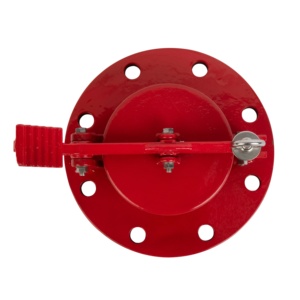
Aluminum Angle Gauge Hatch with Lock Precision Sealing for Oil Tank & Sampling Ports
Heavy-duty precision-machined aluminum alloy gauge hatch designed for vapor-tight sealing, corrosion resistance, and secure sampling port access.
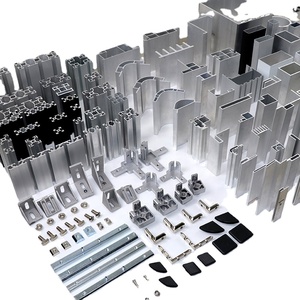
Engineered structural profile systems, wall angle trims, and custom accessories certified for international commercial and residential envelope specifications.
Heavy-duty precision-machined aluminum alloy gauge hatch designed for vapor-tight sealing, corrosion resistance, and secure sampling port access.
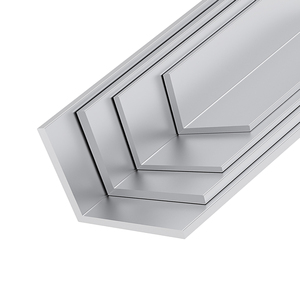
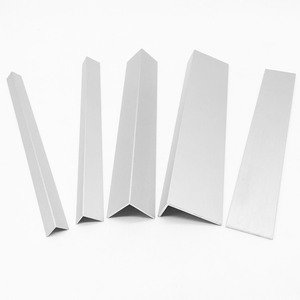
Architectural L-angle structural profiles extruded from premium 6000-series billet, ideal for window framing sub-structures and curtain wall corner joints.
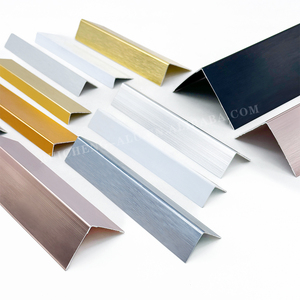
High-tensile square, round, and I-shape aluminum rails available in realistic sublimated wood grain finishes for modern exterior and interior window surrounds.
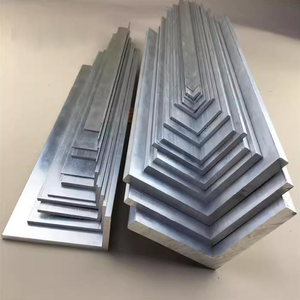
Precision-extruded aluminum corner joinery profiles providing exact 90-degree alignment, structural rigidity, and seamless integration with glazed window systems.
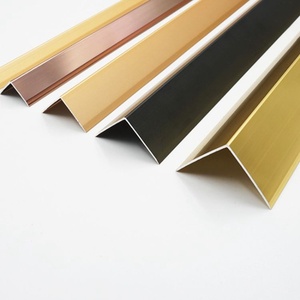
Durable architectural trim profiles coated with Qualicoat-certified electrostatic powder finishes; supplied with complete CNC cutting, bending, and welding services.
Engineered corner guards and frame edge protection profiles featuring custom hole punching, mitering, and surface anodizing for industrial facade protection.
Corrosion-resistant marine-grade aluminum alloy profiles manufactured to endure extreme salt-spray exposure, dynamic wave forces, and heavy frame loading.
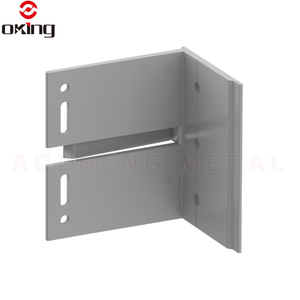
Heavy-duty structural load-bearing angle brackets engineered for unitized curtain wall cladding and commercial window stone/glass dry-hanging assemblies.
In modern architectural engineering and facade construction, the envelope of a structure dictates both its operational energy performance and structural resilience. Sourcing structural aluminum window frames, curtain wall mullions, and custom trim profiles from established Chinese wholesale manufacturers has evolved from a simple cost-reduction model into a strategic engineering partnership. Chinese extrusion plants now integrate high-tonnage automated presses, in-house metallurgical testing laboratories, precise CNC fabrication centers, and certified surface-finishing lines under single-tier manufacturing operations.
To successfully specify and procure wholesale window frames that meet stringent regional building codes (such as North American AAMA/WDMA, European EN 12207/12208, and Australian AS2047 standard specs), B2B buyers and structural engineers must navigate complex variables in alloy metallurgy, thermal break integration, anodizing/powder coating thickness, and geometric extrusion tolerances. This guide offers deep insights into material physics, procurement methodologies, and manufacturing quality control frameworks.
The performance of an aluminum window frame relies fundamentally on the primary billet composition and the precise heat treatment temper process. The 6000-series aluminum-magnesium-silicon alloy family remains the gold standard for architectural extrusions due to its superior strength-to-weight ratio, excellent extrudability, and high corrosion resistance.
| Alloy & Temper | Tensile Strength (MPa) | Yield Strength (MPa) | Webster Hardness (HW) | Primary Application in Frame Systems |
|---|---|---|---|---|
| 6063-T5 | ≥ 160 | ≥ 110 | ≥ 8.0 | Standard residential windows, interior partitions, low-stress trim profiles. |
| 6063-T6 | ≥ 205 | ≥ 180 | ≥ 11.5 | Commercial casement windows, structural mullions, sliding door tracks. |
| 6061-T6 | ≥ 265 | ≥ 245 | ≥ 15.0 | High-span curtain walls, marine-grade frames, structural load brackets. |
| 6005A-T6 | ≥ 260 | ≥ 215 | ≥ 13.0 | Heavy dynamic wind-load facades, unitized system corner connectors. |
While 6063-T5 provides smooth surface finishing required for high-end decorative powder coatings, 6063-T6 undergoing artificial aging offers elevated yield strength required to handle extreme positive and negative wind pressures in high-rise fenestration. For specialized structural attachments or marine environments, switching to 6061-T6 ensures superior resistance to stress corrosion cracking.
Aluminum exhibits a high coefficient of thermal conductivity (≈ 200 W/m·K). To comply with modern net-zero building regulations and pass rigorous energy code requirements, architectural aluminum frames must incorporate high-performance thermal barriers to decouple the exterior profile from the interior profile.
Our integrated manufacturing plants unify tool design, billet casting, extrusion, deep CNC processing, and surface treatment into one continuous, traceable workflow.
Over 10,000 sets of existing extrusion dies covering standard L-angles, window channels, and mullions, alongside bespoke die creation within 7–10 working days.
Full secondary processing services including automated precision cutting, 5-axis CNC milling, bending, punching, slotting, and robotic TIG/MIG welding.
In-house vertical powder coating and anodizing facilities offering 60–80µm film builds, Qualicoat Class 2/3 outdoor durability, and 20–25µm anodic oxidation coatings.
The global architectural fenestration sector is experiencing a massive transformation driven by carbon neutrality mandates, smart building automation, and high-performance building envelope demands. B2B buyers procuring window frames from China must align their supply chain strategies with these critical developments:
As the European Union implements the Carbon Border Adjustment Mechanism (CBAM) and corporate ESG reporting becomes mandatory across North America, global buyers are seeking window frames extruded from low-carbon primary aluminum or post-consumer recycled aluminum scrap. Top-tier Chinese manufacturers are deploying closed-loop scrap recycling circuits, using hydro-electric power or solar-powered smelting facilities to reduce embodied carbon from 16 kg CO2/kg Al down to under 4.0 kg CO2/kg Al, ensuring regulatory compliance without compromising structural yield strength.
Modern architectural aesthetics heavily favor floor-to-ceiling glass installations with minimal visible framing. To achieve slim sightlines without sacrificing wind-load resistance, Chinese engineering teams utilize advanced FEA (Finite Element Analysis) software to design variable wall-thickness extrusions. By placing internal structural ribs precisely where stress concentrations occur, modern ultra-slim frames sustain design pressures exceeding 5000 Pa while maintaining sleek 20mm-to-35mm visual face widths.
In response to accelerating coastal urban developments and extreme climate weathering, wholesale demand is shifting toward hyper-durable surface finishes:
Procurement efficiency now relies heavily on digital compatibility. Leading Chinese manufacturers now deliver native Autodesk Revit BIM models and 3D CAD section drawings (DWG/DXF) during the pre-production phase. Furthermore, export shipments feature protective plastic interleave wraps, customized wooden crate bundling, and containerization designed to eliminate transit abrasion and moisture corrosion during multi-week ocean transit.
Direct engineering answers regarding custom tooling, alloy certifications, minimum order quantities (MOQ), and shipping logistics.
For standard architectural casement and sliding window profiles, 6063-T5 is widely selected due to its excellent surface finish and adequate strength. For commercial high-rise curtain walls, structural mullions, or heavy-duty sliding doors exposed to high wind loads, 6063-T6 or 6061-T6 is recommended due to their significantly higher yield strength (≥180 MPa and ≥245 MPa, respectively).
Architectural powder coatings are applied at a dry film thickness of 60–80 microns over a chromate-free pre-treatment layer, meeting Qualicoat Class 1 or Class 2 specifications. Anodized finishes range from 10–15 microns for interior decorative profiles, up to 20–25 microns (Class I) for exterior architectural installations subject to marine or industrial atmospheric exposure.
Custom profile tooling begins with CAD (DWG/STEP) section verification. Once drawings are approved, high-hardness steel extrusion dies are produced within 7 to 10 days. Initial sample profiles (first-article samples) are extruded, surface-finished, and measured against geometric tolerance standards (EN 12020-2 or GB/T 5237) before full-scale commercial extrusion begins.
For standard existing dies and finish colors (e.g., Anodized Silver, Matt Black, Traffic White RAL 9016), MOQs typically start at 500 kg to 1 Metric Ton per profile shape. For custom dies and specialized powder finishes, MOQs range from 2 to 3 tons. Production lead time is generally 15 to 25 days following sample sign-off.
Extrusions are protected with protective PE film over critical visible faces, bundled with interleaved protective paper, wrapped in waterproof shrink foil, and secured inside export-grade wooden crates or steel-framed pallets. This multi-layer packaging prevents surface scratching, denting, and sea-salt humidity corrosion during shipping.
Yes. Modern suppliers offer complete secondary fabrication services (cut-to-length, CNC corner mitering, drainage slot punching, hardware pocket routing, structural bracket welding, and thermal strip insertion). Components are delivered as pre-machined knock-down (KD) kits or fully assembled frames ready for immediate job-site glazing.
Request our comprehensive product catalog, technical section profile drawings, and factory direct price list for your upcoming projects.