Direct factory extrusion, CNC precision processing, custom surface finishing, and hardware integration engineered for global facade and door fabricators.
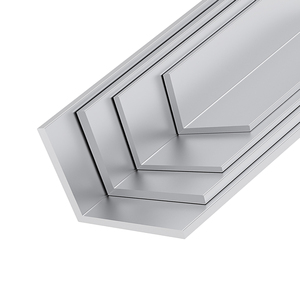
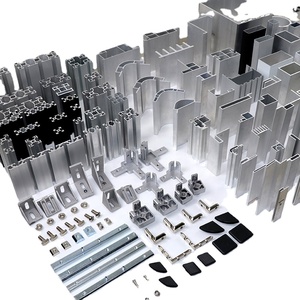
How precise alloy selection, wall thickness optimization, and section modulus design determine long-term deflection resistance in extreme commercial environments.
Architectural bifold door extrusions demand strict chemical composition matrixing. We utilize primary-grade 6063 aluminum alloy with controlled magnesium (0.45–0.9%) and silicon (0.2–0.6%) ratios. Artificially aged to T5 or T6 temper, our profiles achieve ultimate tensile strength exceeding 205 MPa and yield strength over 170 MPa, ensuring structural integrity under high structural wind loads.
Wide-span folding door assemblies experience intense dynamic loads. Our structural engineers optimize the section modulus (Z-axis) and moment of inertia (Ix/Iy) across mullions and jamb profiles. Designed to meet strict L/175 and L/240 deflection criteria under ASTM E330 testing, our frames eliminate bow and twist even in multi-panel openings up to 12 meters wide.
Smooth kinetic execution relies on carriage kinematics. OEM systems incorporate heavy-duty stainless steel 316 quad-wheel bogie rollers operating on extruded bottom or top tracks. Designed to support leaf weights up to 300 kg per panel, these mechanisms undergo 50,000-cycle endurance testing without operational degradation.
From CAD section drawings to high-precision die fabrication and multi-axis CNC machining, Pak Alumex offers end-to-end original equipment manufacturing.
For architectural project specifiers requiring proprietary frame geometry, our toolmaking division fabricates custom extrusion dies from high-grade H13 chromium hot-work tool steel. We perform comprehensive CAD/CAM section analysis to review wall thickness distribution, extrusion ratio, and cooling rates. First-article samples with full CMM inspection reports are dispatched within 15 to 20 days of die approval, ensuring complete drawing fidelity before volume billet pressing.
To drastically reduce fabricator labor overhead on site, our facility processes extruded lengths through advanced multi-axis CNC machining centers. Operations include precise corner mitering, drainage slot punching, lock gear pocket milling, hinge mounting hole drilling, and flush track recessing. Profiles ship with micrometric tolerances (±0.1mm), enabling rapid knock-down (KD) assembly and seamless site installation.
Addressing severe thermal conductivity in metal frames through advanced polyamide insulation and multi-barrier continuous gasketing.
Standard solid aluminum exhibits a high thermal conductivity (~200 W/m·K). Our thermally broken OEM bifold profiles incorporate mechanically crimped 24mm to 34mm PA66 GF25 polyamide strips (25% glass fiber reinforced). This reduces frame conductive heat transfer, lowering overall system U-values down to 1.35 W/m²K when integrated with double or triple-glazed Low-E units.
Weather envelope performance depends on elastic recovery under temperature fluctuations. We specify high-grade cellular EPDM gaskets along perimeter frames and folding leaf intersections. Providing Class 9A water tightness (EN 12208) and Class 4 air permeability (EN 12207), our profiles prevent driving rain ingress even under storm pressure conditions up to 600 Pa.
Flat sill configurations frequently suffer from water pooling. Our engineered sub-sill tracks feature stepped drainage chambers with internal baffle valves. This creates a pressure-equalized cavity that forces accumulated water outward under gravimetric pressure while blocking wind-driven backup into indoor living areas.
In-house chemical pre-treatment, Qualicoat-certified powder coating, anodizing, and wood grain sublimation technology.
Operating automated vertical coating lines, profiles undergo non-chromate conversion pre-treatment before electrostatic polyester powder application. Cured at 200°C, we achieve a uniform dry film thickness of 60–80 microns. Available in complete RAL color ranges, matte, fine texture, and super-durable PVDF coatings for high-UV exposure zones.
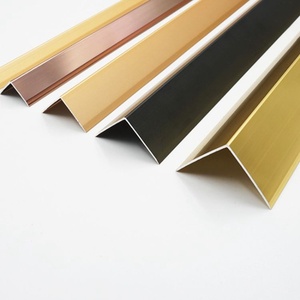
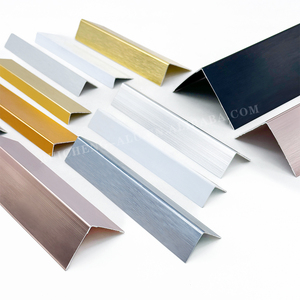
For coastal, marine, or industrial aggressive atmospheres, electro-chemical anodizing converts the metallic surface into an integral aluminum oxide layer. Produced from 15μm up to 25μm (Class I specification), finishes include silver, champagne, light bronze, dark bronze, and deep black with superior resistance to filiform corrosion and abrasion.
Combining the natural aesthetic warmth of timber with the structural stability of aluminum, our wood grain technology utilizes vacuum heat-transfer foil over a durable powder base layer. Replicating Golden Oak, Walnut, Teak, and Mahogany, it provides zero warping, rotting, or repainting maintenance over a 25-year service lifecycle.
A direct engineering comparison highlighting why global facade buyers select Pak Alumex custom extruded door systems.
| Performance Parameter | Standard Commercial Bifold Doors | Pak Alumex OEM Heavy-Duty Bifold Systems | Engineering Benefit |
|---|---|---|---|
| Aluminum Alloy & Temper | Recycled 6063-T5 Base Grade | Primary Billet 6063-T6 / 6061-T6 | +25% Higher Yield Strength & Wind Load Capability |
| Frame Wall Thickness | 1.4mm – 1.6mm Thin Wall | 2.0mm – 3.0mm Heavy Structural Wall | Prevents Deflection & Screw-Pull Failures |
| Thermal Insulation Strip | 14mm PVC / Standard Nylon | 24mm – 34mm PA66 GF25 Polyamide | Superior U-Value Reduction (<1.4 W/m²K) |
| Max Panel Height / Weight | 2.4 Meters / 100 kg per Leaf | 3.5+ Meters / 300 kg per Leaf | Enables Monumental Floor-to-Ceiling Openings |
| Powder Coating Film Build | 45 – 55 Microns Single Pass | 60 – 80 Microns Qualicoat Class 2 | High UV Resistance, Zero Flaking or Chalking |
| Roller Carriage Hardware | Nylon Wheels with Steel Bearings | 316 Stainless Steel Quad Bogie Rollers | Smooth Silent Glide, 50,000+ Cycles Tested |
Key market shifts driving global B2B sourcing decisions for commercial and high-end residential developments.
Architectural design is shifting toward maximal glass ratios. Next-generation bifold procurement heavily favors interlock sightlines reduced down to 110mm or narrower. Achieving this requires high-modulus 6061-T6 aluminum alloys capable of carrying heavy triple-glazed loads on ultra-thin face dimensions.
European and North American building codes (such as LEED and BREEAM) now enforce strict embodied carbon metrics. Global buyers prioritize OEMs utilizing hydro-powered green aluminum billets, scrap recycling loops, and chromate-free surface pre-treatment chemical processes.
Motorized, sensor-driven bifolding panels integrated with automated building management systems (BMS) are expanding fast. Sourcing strategies focus on profiles featuring concealed motor cable raceways, magnetic sensor slots, and heavy-duty electric actuator bracket mounts.
Why leading contractors, facade fabricators, and hardware distributors partner directly with our Faisalabad production plant.
Located on Painsra Road, Gojra, Faisalabad, our plant operates extrusion presses, thermal break crimping lines, anodizing baths, powder coating plants, and wood grain sublimation under one unified quality management umbrella. Eliminating sub-contractor delays guarantees total batch-to-batch structural and color consistency.
We serve developers and fabricators across key overseas markets via Karachi Port. Every shipment features non-abrasive protective film applied per profile length, steel-strapped wooden bundling, moisture-barrier wrapping, and custom container loading plans to eliminate transit damage.
Comprehensive answers regarding minimum order quantities, custom die lead times, alloy testing, and international export procedures.
Our primary extrusion line uses 6063 alloy supplied in T5 or T6 tempers. 6063-T5 is ideal for standard architectural frames and residential folding doors, while 6063-T6 is specified for high-rise, commercial curtain walls and large-span bifold mullions where elevated yield strength (≥170 MPa) is required. We also offer 6061-T6 for ultra-heavy structural load requirements.
For existing standard section dies, our MOQ is 1 metric ton per profile section. For custom OEM/ODM section drawings, die development requires approximately 12–15 days. First-article extruded samples are provided for written CMM dimension approval before bulk pressing. Custom die costs are typically credited back once agreed volume thresholds are met.
Every production batch undergoes strict quality assurance. For powder coating, dry film thickness is tested with calibrated digital gauges to ensure 60–80 microns build, followed by cross-hatch adhesion testing (ISO 2409 / ASTM D3359) and solvent rub tests. Anodized batches are tested for oxide thickness (15–25μm) and seal quality via chemical dip methods.
Yes. We supply fully assembled, mechanically crimped thermally broken profiles incorporating 24mm to 34mm PA66 GF25 polyamide insulation strips. Dual-color finishing is also supported, allowing one powder or anodized finish on the exterior face and a different color or wood grain finish on the interior face.
All profiles are individually covered with brand-printed protective poly film to guard against surface scratches during fabrication. Lengths are then interleaved with protective foam paper, wrapped in waterproof plastic film, bundled, and strapped inside ISPM-15 compliant heat-treated wooden crates or reinforced steel frames ready for container loading at Karachi Port.
Send your CAD section drawings, profile specifications, or project bill of quantities (BOQ). Our technical engineering team will review section moduli, structural feasibility, and return a comprehensive quotation within 24 hours.