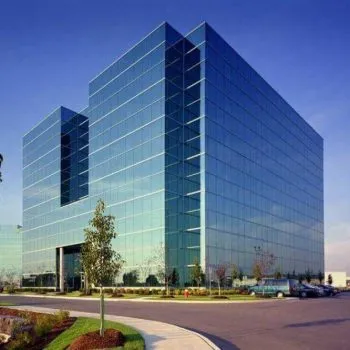
Engineered from premier 6000-series alloys, featuring precision tolerances, post-extrusion fabrication, and architectural-grade surface finishes.
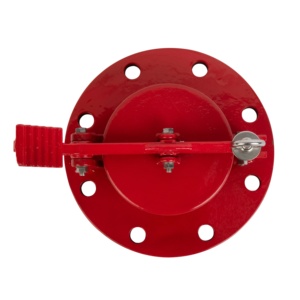
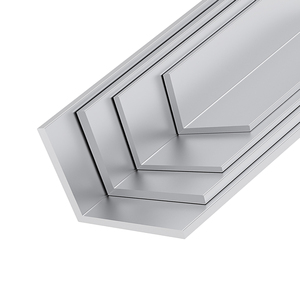
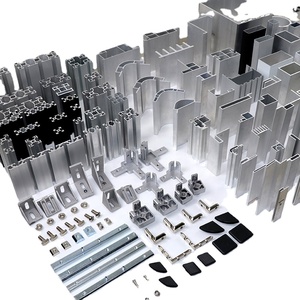
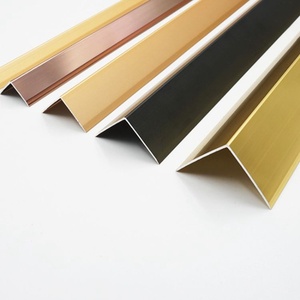
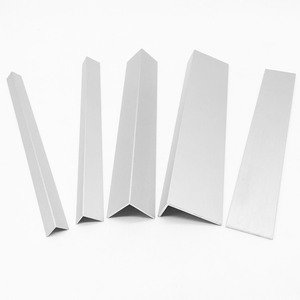
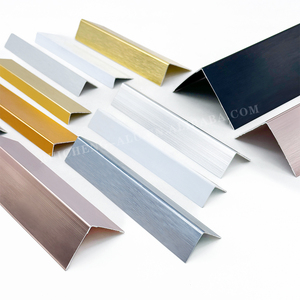
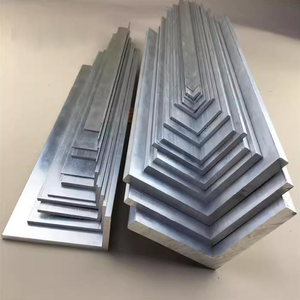
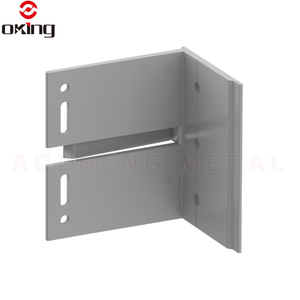
From custom billet casting and high-tonnage extrusion presses to CNC deep processing and architectural finishing, our Pak Alumex industrial facility delivers unified quality control across the entire production chain.
We turn complex CAD/DXF engineering drawings into high-precision steel extrusion dies within 7 to 10 days. Our toolmakers calculate die land lengths and metal velocity profiles to guarantee zero wall variance.
Equipped with press capacities ranging from 600 tons to 3,500 tons, enabling the production of solid, semi-hollow, and complex hollow aluminium profiles up to 300mm in cross-sectional width.
In-house vertical anodizing and electrostatic powder coating lines running non-chromate pre-treatment chemicals (SurTec) to achieve chalking-resistant, UV-durable architectural finishes.
| Alloy Grade | Temper State | Tensile Strength (MPa) | Yield Strength (MPa) | Primary B2B Applications | Corrosion Resistance |
|---|---|---|---|---|---|
| 6063 Alloy | T5 / T6 | 160 – 220 | 110 – 190 | Architectural Windows, Doors, Curtain Wall Frames, Wall Angle Trims | Excellent (Marine & Urban) |
| 6061 Alloy | T6 / T651 | 290 – 310 | 240 – 275 | Structural Angle Brackets, Heavy Truck Frames, Boat Hull Sections, Gauge Hatches | Very Good |
| 6005A Alloy | T6 | 260 – 270 | 215 – 225 | High-Load Structural Rail Systems, Solar Panel Cladding Supports | Excellent |
| 6082 Alloy | T6 | 295 – 330 | 250 – 280 | Structural Bridges, Crane Girders, High-Stress Offshore Structural Joints | Very Good |
How Tier-1 EPC contractors, architectural specifiers, and industrial OEMs are adapting their procurement strategies to combat supply chain volatility, decarbonization mandates, and strict thermal efficiency performance.
Global carbon tariffs (such as Europe's CBAM) are redefining metal purchasing. Procurement directors now evaluate suppliers based on billet origin and energy mix during remelting. Modern extruders must blend prime virgin aluminum with clean post-industrial process scrap, cutting embodied carbon emissions down to under 4.0 kg CO2e/kg Al while preserving mechanical ductility.
The era of importing mill-finish raw lengths and performing secondary machining locally is disappearing due to rising labor overheads. Modern buyers demand pre-fabricated extrusion packages that feature 5-axis CNC routing, precise angle miter cuts, automated punching, and pre-inserted thermal break strips (PA66-GF25), moving directly from crate to site assembly.
Biophilic architecture is accelerating the adoption of wood-grain heat-transfer sublimation on aluminum profiles. Specifiers achieve the aesthetic beauty of natural teak or walnut paired with zero-maintenance, non-combustible A2-rated metals. In high-UV or coastal regions, super-durable fluoropolymer (PVDF) powder systems (AAMA 2605) are replacing conventional liquid sprays.
To guard against regional export halts, international procurement officers are establishing long-term OEM partnerships with accredited manufacturing hubs in South Asia and Southeast Asia. Full export documentation, batch-coded material test reports (EN 10204 3.1), and sea-worthy wooden crate bundling are non-negotiable standards.
How advancing metallurgical science, micro-thin wall geometry, and automated structural testing are elevating extruded aluminium profiles across energy, marine, and construction sectors.
Advancements in high-pressure nitrogen-cooled die technology permit the extrusion of ultra-thin, highly ribbed aluminum profiles without buckling or surface tearing. This allows dramatic weight savings in automotive trim, solar mounting frames, and internal building partitions.
Modern building codes require U-values below 1.4 W/m²K for architectural envelope profiles. By mechanically crimping 25% glass-fiber reinforced polyamide strips between outer and inner extruded shells, conductive thermal transfer is cut by over 60%.
The marine industry is transitioning from structural steel to high-magnesium 6000 and 5000 series extrusions for hull angle corners and boat brackets. These profiles exhibit immunity to stress-corrosion cracking under continuous saltwater spray environment exposure.
Essential technical and commercial answers designed for global purchasing agents, facade engineers, and OEM project leads.
Submit your engineering drawings (DWG/STEP/PDF) or profile specifications today. Our senior metallurgical engineers will provide a complete DFM review, die cost evaluation, and wholesale price quote within 24 hours.