Explore our precision-engineered 6000-series extruded aluminium profiles, angle hatches, brackets, and structural corner components custom-manufactured for architectural, marine, and industrial louver applications.
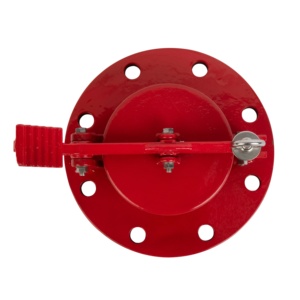
Heavy-duty precision sealed gauge hatch designed for oil tank measurement, featuring leak-proof locking mechanisms and anti-corrosive alloy construction.
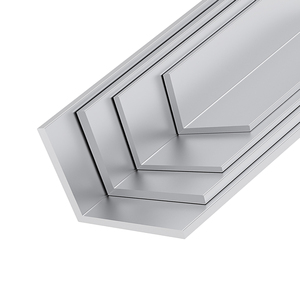
High-tensile structural L-shape profiles engineered for curtain wall support, shutter perimeter framing, and heavy architectural corner reinforcement.
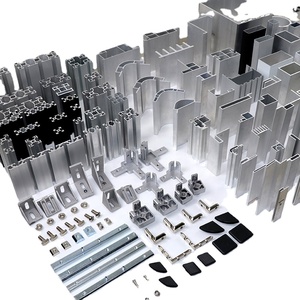
Multi-geometry structural rails offered in square, round, and I-shapes with premium wood-grain sublimation or anodized architectural finishes.
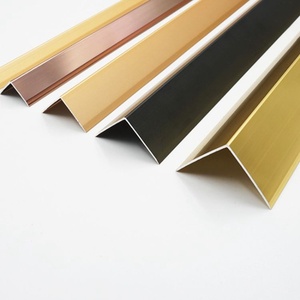
Bespoke L-corner extrusions manufactured with strict wall-thickness tolerances for seamless integration into louvers, windows, and decorative frames.
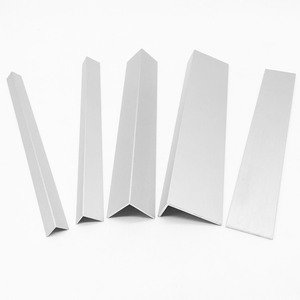
Decoration-grade wall trim profiles fully supported by full CNC processing services including precise cutting, bending, punching, and welding.
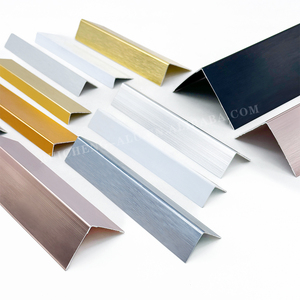
Durable wall corner protection extrusions engineered for high-traffic commercial interiors, external facade reveals, and shutter sub-framing.
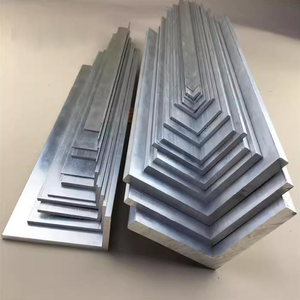
Marine-grade corrosion-resistant aluminium angle profiles designed to withstand saline environments, ideal for marine shutter frames and boat fittings.
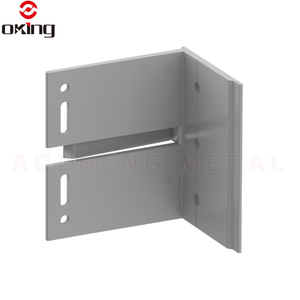
Heavy-duty structural bracket connections engineered for exterior dry-hanging facade cladding, louver anchorage, and high wind-load load transfer.
From raw billet casting and tool steel die design to high-speed extrusion, automated surface coating, and full CNC mechanical fabrication—our vertical integration guarantees batch consistency, strict mechanical tolerances, and competitive factory-direct pricing.
In-house CAD/CAM tooling department equipped to produce intricate louver profiles, hollow shutter blades, and custom wall-thickness variations according to DWG/DXF specifications.
Qualicoat-certified architectural powder coating (60–80 μm), Qualanod anodic oxidation (10–25 μm), and wood grain vacuum sublimation transfer for extreme UV and weather endurance.
Complete secondary processing services—precision multi-axis CNC milling, high-speed punching, hydraulic bending, robotic welding, and pre-assembled louver cassette packaging.
In modern architectural engineering and high-performance facade design, aluminium shutters and architectural louvers have evolved from passive light-control elements into multi-functional, structural facade envelopes. As global building codes demand elevated energy efficiency, solar heat gain mitigation, hurricane resistance, and long-term envelope durability, procurement directors and facade consultants increasingly rely on specialized OEM (Original Equipment Manufacturer) and ODM (Original Design Manufacturer) manufacturing partners.
This technical whitepaper examines the metallurgical foundations, manufacturing workflows, surface finishing technologies, and strategic procurement considerations that define high-spec aluminium louver and shutter production for commercial, residential, and industrial deployments worldwide.
Information Gain Insight: Unlike standard off-the-shelf profile distributors, an integrated OEM/ODM aluminium extrusion factory manages the entire value chain from billet chemistry formulation (EN AW-6063 vs EN AW-6061) to thermal-break crimping and CNC joint milling. This control guarantees strict compliance with international standards such as ASTM B221, EN 755, and BS EN 12020.
The structural integrity and surface aesthetics of an aluminium shutter system depend heavily on the selection of aluminium alloy and temper state. The vast majority of architectural louvers and shutters utilize 6000-series magnesium-silicon aluminium alloys due to their excellent extrudability, high strength-to-weight ratio, superior corrosion resistance, and responsiveness to anodizing and powder coating.
| Alloy & Temper | Tensile Strength (MPa) | Yield Strength (MPa) | Elongation (%) | Primary Application in Shutter Systems |
|---|---|---|---|---|
| 6063-T5 | ≥ 150 | ≥ 110 | ≥ 8 | Standard louver blades, window shutters, internal partitions |
| 6063-T6 | ≥ 205 | ≥ 170 | ≥ 8 | Operable shutter frames, high-span louver blades, door profiles |
| 6061-T6 | ≥ 290 | ≥ 240 | ≥ 10 | Structural dry-hanging brackets, marine angles, impact shutters |
| 6005A-T6 | ≥ 270 | ≥ 225 | ≥ 8 | Large aerofoil solar fins, structural louver mullions |
Architectural louvers and exterior shutters are constantly exposed to severe environmental stressors, including ultraviolet (UV) radiation, thermal cycling, airborne atmospheric pollutants, acid rain, and saline coastal fog. Delivering a 20-to-30-year operational service life requires rigorous in-house surface treatment processes.
Anodizing is an electro-chemical conversion process that converts the aluminium metal surface into a durable, non-reactive aluminium oxide layer. Rather than applying a coating on top of the metal, the oxide layer is grown from the substrate itself, eliminating any risk of flaking, peeling, or blistering.
Architectural powder coating provides virtually unlimited RAL color customization along with tailored surface textures (matt, satin, gloss, or fine-textured anti-scratch finishes). The process utilizes thermosetting polyester or fluoropolymer (PVDF) resins applied electrostatically over a chromate-free chemical pre-treatment conversion layer.
In accordance with Qualicoat Class 1, Class 2 (Superdurable), and Class 3 (PVDF) specifications, film thickness is maintained between 60 μm and 80 μm. Superdurable Class 2 powders utilize advanced polycondensation resins designed to retain over 90% of their original gloss and color intensity after 3 years of accelerated Florida weathering exposure testing.
For architectural concepts seeking the organic visual warmth of natural timber without the rapid degradation, warping, rot, and high maintenance overhead associated with natural wood, OEM/ODM factories utilize vacuum heat sublimation transfer technology. A polyurethane powder base coat is electrostatically applied, cured, and wrapped in a cellulose film printed with high-resolution wood grain inks (Oak, Teak, Walnut, Mahogany, Cherry). Under high vacuum and elevated temperatures (190°C–200°C), the ink sublimates directly into the polyurethane coating, forming an indelible, UV-stable timber finish.
As international supply chains recalibrate and sustainable construction mandates take center stage, B2B procurement strategies for aluminium shutters and architectural extrusions are experiencing a fundamental shift. Commercial buyers, EPC contractors, and OEM distributors are re-evaluating sourcing criteria based on several key emerging trends:
Global green building schemes (LEED v4.1, BREEAM, and DGNB) now reward projects that incorporate low-embodied-carbon materials. Forward-thinking OEM factories are adopting recycled post-consumer and pre-consumer aluminium scrap along with hydro-powered primary billets, reducing carbon intensity from the industry average of 16.5 kg CO2/kg Al down to under 4.0 kg CO2/kg Al.
Escalating job-site labor costs and tight construction schedules have dramatically increased demand for pre-assembled modular louver cassettes and unitized shutter frameworks. Instead of receiving loose extrusion lengths, contractors increasingly request fully pre-punched, corner-cleated, hardware-fitted shutter units delivered directly to site in custom steel stillages.
Modern commercial facades are rapidly adopting dynamic, sensor-driven solar shading. OEM shutter manufacturers are required to integrate internal drive shafts, motor housing cavities, and weather-sealed cable routing channels directly into the extruded profiles to interface seamlessly with Building Management Systems (BMS) and IoT solar tracking protocols.
To mitigate geopolitical risks and tariff volatility, procurement managers are establishing direct manufacturing partnerships with verified overseas OEM factories capable of rapid die prototyping (7 to 10 days) and offering full IP protection for proprietary louver section designs.
The louver and architectural shutter sector is undergoing continuous engineering innovation aimed at enhancing structural performance, acoustic dampening, and aerodynamic efficiency:
Get authoritative, technical answers regarding OEM die creation, minimum order quantities, lead times, surface finish warranties, and international quality compliance.
Submit your project drawings, CAD sections, or OEM product specifications today. Our engineering team provides complimentary DFM (Design for Manufacturing) analysis, profile weight schedules, and factory-direct wholesale pricing within 24 hours.