Explore our industrial catalog of specialized aluminum profiles, custom corner joinery, wall trim, and precision-sealed measurement hatches manufactured under strict Qualicoat and ISO 9001 standards.
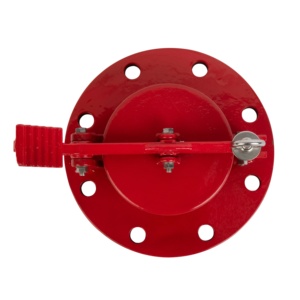
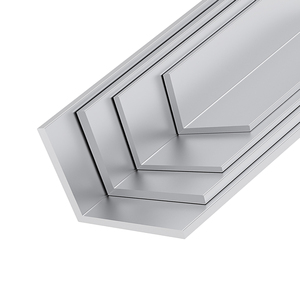
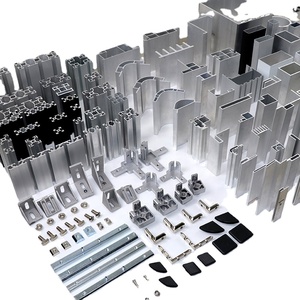
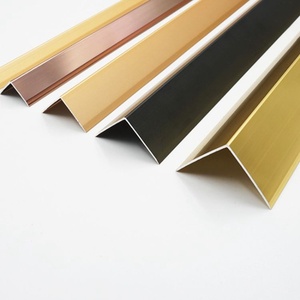
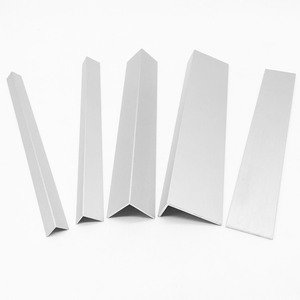
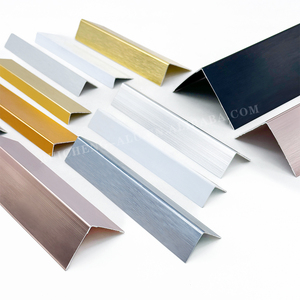
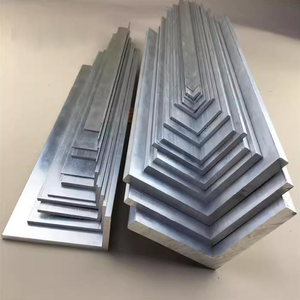
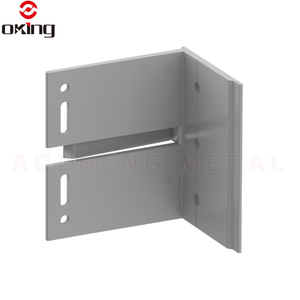
Modern architectural design increasingly demands the warm, organic aesthetic of natural timber combined with the structural strength, fire resistance, and zero-maintenance properties of non-ferrous metals. As tier-1 OEM/ODM wood grain manufacturers and factories, our primary engineering objective is resolving the inherent longevity weaknesses of timber—such as rot, hygroscopic warping, UV degradation, and combustibility—through advanced metallurgy and sublimation powder coating technology.
Architectural wood-grain aluminum profiles rely on a multi-stage electrochemical and vacuum-thermal chemical reaction. The process transforms standard extruded 6063, 6061, or 6005A aluminum alloys into high-definition, photorealistic wood-grain finishes that conform to Qualicoat Class 1 and Class 2 specifications, as well as AAMA 2604/2605 performance standards.
Unlike surface-level direct-ink printing or physical laminate film wrapping—which suffer from delamination under high humidity or extreme thermal cycling—vacuum heat transfer sublimation physically embeds organic pigments into a specialized thermosetting polyurethane or fluoropolymer powder base layer at temperatures between 190°C and 210°C. The ink converts directly from solid to gas, penetrating up to 20–30 microns into the cured powder matrix.
Choosing the correct primary billet composition dictates both the structural performance and surface finish quality of OEM/ODM wood grain profiles. The table below outlines our standardized alloy selection criteria for custom architectural applications:
| Alloy & Temper | Tensile Strength (MPa) | Yield Strength (MPa) | Typical Applications | OEM Machinability / Extrudability |
|---|---|---|---|---|
| 6063-T5 | ≥ 185 | ≥ 145 | Window/door frames, decorative wall trim, louvers | Exceptional surface finish; ideal for complex thin-wall profiles. |
| 6063-T6 | ≥ 245 | ≥ 200 | Curtain wall mullions, structural angle brackets, long spans | Higher mechanical strength; excellent balance for load-bearing facades. |
| 6061-T6 | ≥ 290 | ≥ 240 | Marine fittings, gauge hatches, heavy structural angles | Maximum structural capacity; requires optimized press speeds. |
| 6005A-T6 | ≥ 270 | ≥ 225 | Transportation, solar mounting, heavy-duty architectural rails | High bending resistance; specialized for impact-prone zones. |
The manufacturing journey begins in our die casting and tooling facility. Achieving precise wall tolerances—compliant with EN 12020-2 and ASTM B221—requires custom-designed H13 tool steel dies subjected to multi-stage gas nitriding treatment. Tooling design engineers utilize CAD/CAM flow simulations to prevent velocity differentials across intricate profile geometry, eliminating surface streaking that could otherwise distort the wood grain sublimation pattern.
To deliver uncompromising quality across international supply chains, our industrial plant unites billet homogenization, extrusion pressing, chromate-free pre-treatment, electrostatic powder spraying, and Italian-engineered vacuum heat-transfer wood grain lines under a single quality control management system.
Custom profile prototyping within 7 to 10 days. We turn complex architectural DWG/DXF drawings into calibrated extrusion dies with wall thickness precision down to ±0.15mm.
Utilizing high-vacuum suction bags and temperature-controlled infrared baking tunnels to ensure 100% uniform pressure, eliminating air pockets, blisters, or pattern gaps.
Every production batch undergoes cross-hatch adhesion testing (ISO 2409), MEK solvent resistance rub tests, gloss level analysis (ISO 2813), and accelerated QUV weathering tests.
Profiles are individually wrapped with custom micro-perforated protective film, interleaved with non-scratch foam, and strapped in steel-reinforced seaworthy wooden crates for global transit.
Precision CNC cutting, punching, notch milling, corner bending, assembly welding, and gasket insertion provided under one roof to minimize supply chain touchpoints.
Over 500 standard wood textures available—including Burmese Teak, Golden Oak, American Walnut, Royal Cherry, and Weathered Cedar—with custom color matching upon request.
As global building codes shift toward net-zero energy targets, strict fire safety compliance, and circular economy principles, B2B procurement teams and architectural specifiers must adapt to evolving market drivers. Understanding these megatrends allows developers and contractors to future-proof their supply chains.
While traditional polyurethane-based wood grain coatings offer 10 to 15 years of atmospheric durability, high-rise commercial facades are migrating toward hyper-durable FEVE (fluoroethylene vinyl ether) and PVDF powder bases. These super-durable polymers resist gloss retention loss and color shift (Delta E < 5) even after 20,000 hours of continuous high-UV exposure in tropical and desert environments. Expect future OEM procurement specifications to mandate Qualicoat Class 2 or Class 3 certified powder bases as standard.
Decarbonization mandates across Europe, North America, and East Asia are transforming raw material procurement. Leading OEMs are shifting from primary coal-smelted aluminum (which generates ~16 kg CO2 per kg of aluminum) to hydro-powered primary billets or secondary recycled alloys containing up to 75% post-consumer scrap (< 4 kg CO2 per kg of metal). Specifiers increasingly demand Environmental Product Declarations (EPDs) and carbon-footprint certification alongside mechanical test reports.
Following catastrophic high-rise fires worldwide, regulatory bodies have banned combustible aluminum composite panels (ACPs) with polyethylene cores, as well as natural timber cladding on structures above specific height thresholds. Solid extruded wood-grain aluminum profiles—inherently non-combustible and certified to Euroclass A1 or A2-s1, d0—are rapidly becoming the global standard for high-rise residential and commercial exterior cladding, soffits, and architectural louvers.
First-generation wood grain finishes relied on flat, smooth 2D sublimation. Next-generation procurement demands tactile realism. Advanced factories now apply micro-textured base powders that mimic the tactile feel of natural timber grain pores, knots, and brushed fiber structures. This tactile 3D finish delivers elevated acoustic and visual depth for luxury hospitality, retail interiors, and premium residential developments.
Energy efficiency standards for Net-Zero Energy Buildings (NZEB) require facade framing with extremely low U-factors (< 1.4 W/m²K). Future procurement will emphasize thermally broken OEM profile assemblies featuring structural polyamide insulation strips (PA66 GF25) mechanically crimped between inner and outer extruded aluminum shells. This thermal separation prevents conductive heat transfer while maintaining identical wood-grain aesthetic continuity inside and outside the building envelope.
Our research and development engineering group continuously advances surface chemistry, extrusion efficiency, and structural joinery design. Below is our key innovation roadmap driving next-generation production:
To assist procurement managers, facade engineers, and architectural specifiers, our engineering directorate has compiled detailed answers to the most frequently asked technical questions:
Our standard MOQ for custom extruded aluminum profiles is 500 kg to 1,000 kg per section, depending on profile weight per meter and press size requirements. Die design, cutting, and initial sample extrusion typically take 7 to 10 working days. Once first-article samples are approved in writing, bulk production and sublimation finish processing require 15 to 20 calendar days.
For coastal applications located within 1,000 meters of marine shorelines, we recommend our Marine-Grade Specification: a 6063-T6 or 6061-T6 alloy base subjected to a chromate-free titanium-zirconium pre-treatment, followed by a minimum 70-micron Qualicoat Class 2 super-durable polyurethane or fluoropolymer base coat. This system passes 2,000 hours of neutral salt spray testing (ASTM B117) without film blistering, undercutting, or surface oxidation.
Yes. Our laboratory uses spectrophotometers to analyze master wood samples provided by clients. We recreate both the background base coat tone and the detailed sublimation film grain vector. We issue physical aluminum sample swatches for client sign-off under D65 daylight rendering before initiating full production runs.
Our fabrication division offers full CNC machining capabilities, including precision mitering, compound angle cutting, slot punching, drill tapping, CNC notch routing, radius bending, and TIG/MIG robotic welding. Providing fully machined, ready-to-assemble profiles reduces client field labor costs and jobsite error risks.
All extrusions conform to EN 12020-2 (for high-precision architectural profiles) or EN 755-9 standards. For specialized industrial components like our Gauge Hatches or curtain wall brackets, tighter custom tolerances down to ±0.10mm can be held through secondary CNC milling.
Each individual profile is covered with a low-tack UV-resistant protective plastic film. Profiles are bundled in heavy-duty kraft paper or micro-foamed plastic, interleaved with protective spacers, and packed inside fumigated seaworthy wooden cases or reinforced steel-frame bundles suitable for container shipping and crane unloading.
With decades of specialized extrusion and surface finishing experience, our enterprise serves as a trusted global supply chain partner for system integrators, facade contractors, and industrial distributors. By integrating raw material casting, die engineering, automated sublimation, and precision fabrication under one roof, we eliminate intermediate supplier markups, shorten procurement lead times, and guarantee single-source quality accountability.
Whether you require standard 6000-series structural L-angle trims, custom dry-hanging curtain wall brackets, precision-sealed tank measurement hatches, or bespoke architectural louvers in custom teak or oak finishes, our technical engineering desk stands ready to review your project drawings and issue comprehensive formal proposals.