Direct Factory Extrusions Engineered for High-Rise Facades, Marine Environments, and Extreme Weathering Conditions
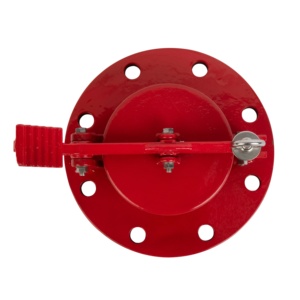
Leak-proof oil tank measurement port engineered with PVDF fluoropolymer coating for high chemical and marine corrosion resistance.
Contact Us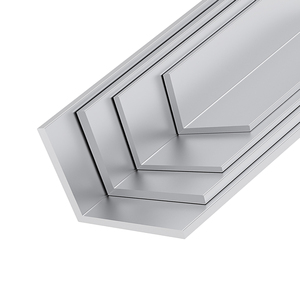
Heavy-duty structural aluminum corner profile available with 3-coat PVDF liquid spray for exterior architectural structural reinforcement.
Contact Us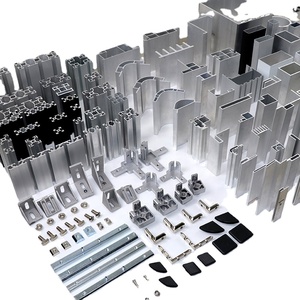
Multi-shape square, round, and I-beam architectural extrusions finished with durable Kynar 500 equivalent fluoropolymer surface treatments.
Contact Us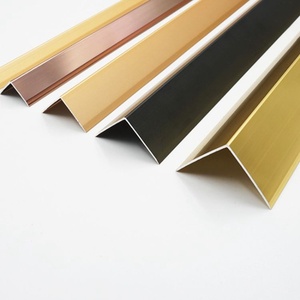
Precision CNC machined L-corner profiles with customizable PVDF film thickness exceeding AAMA 2605 architectural standards.
Contact Us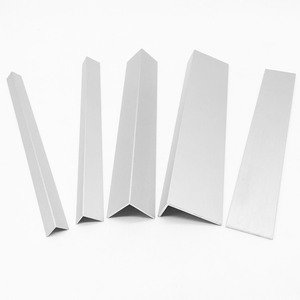
Decorations-grade aluminum trim profile designed for secondary bending, welding, and high-durability fluorocarbon powder coating.
Contact Us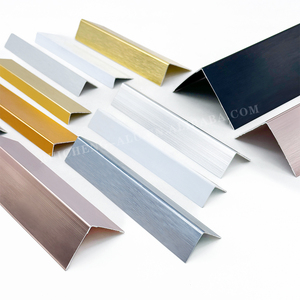
Corner shielding extrusions offering high UV stability, color retention, and chemical resistance for commercial building envelopes.
Contact Us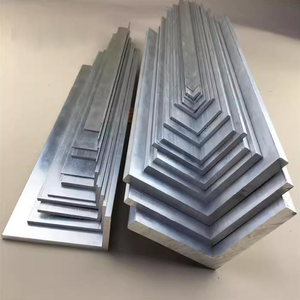
Marine-grade structural aluminum angles coated with high-solid PVDF resin systems engineered for severe salt spray exposure.
Contact Us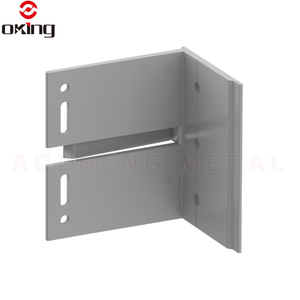
Dry hanging support brackets featuring pre-treated chromate-free PVDF coating for ventilated facade and curtain wall anchoring.
Contact UsPolyvinylidene Fluoride (PVDF) coatings represent the pinnacle of architectural metal finishing technology. Originally synthesized for extreme chemical and thermal environments, PVDF coatings—commonly formulated with Kynar 500® or Hylar 5000® resins—have become the mandatory standard for high-rise curtain walls, monumental facades, and marine architectural aluminum profiles. Selecting the right manufacturer or integrated extrusion-coating factory requires a deep evaluation of resin stoichiometry, application technology, thermal curing precision, and compliance with the stringent AAMA 2605 standard.
In modern architectural procurement, the industry is split between primary fluoropolymer coating chemical formulators and vertically integrated aluminum extrusion factories equipped with continuous in-house liquid PVDF spray and powder coating lines. Sourcing directly from an integrated extrusion factory eliminates inter-facility transit degradation, guarantees batch-to-batch color consistency, and enforces unified quality control under ISO 9001 and Qualicoat specifications.
| Manufacturer / Supply Tier | Core Coating Technology | Resin Ratio (PVDF / Acrylic) | AAMA Specification | Primary Sourcing Advantage |
|---|---|---|---|---|
| PPG Industries (Fluorpon®) | 2-4 Coat Liquid Fluoropolymer | 70% PVDF / 30% Acrylic | AAMA 2605 / 2604 | Industry benchmark color library & global warranty support |
| Sherwin-Williams (Fluropon®) | Extrusions & Coil Spray Coatings | 70% PVDF / 30% Acrylic | AAMA 2605 | Exceptional solar reflective (Cool Chemistry) pigments |
| AkzoNobel (TRINAR®) | Liquid Spray & Architectural Powder | 70% PVDF / FEVE Hybrids | AAMA 2605 / Qualicoat Class 3 | Advanced powder PVDF formulations with zero VOCs |
| Pak Alumex Integrated Factory | In-House Extrusion + PVDF Spray/Powder | 70% Kynar 500 Compatible | AAMA 2605 Certified | One-stop aluminum extrusion, die design & application |
| Beckers Group | Architectural Coil & Extrusion Coating | 70% PVDF Standard | AAMA 2605 / EN 12206 | High chemical resistance for severe industrial pollution |
| KCC Corporation | Fluorocarbon Facade Coatings | 70% PVDF Resin | AAMA 2605 | Cost-effective volume production for commercial towers |
| Jotun Coatings | Super-Durable Powder & PVDF | FEVE / Fluoropolymer Hybrids | Qualicoat Class 3 / AAMA 2605 | Unmatched UV stability for Middle East & tropical climates |
| Nippon Paint Architectural | Multi-Coat Liquid Fluoropolymer | 70% PVDF Fluorocarbon | AAMA 2605 | Exceptional film adhesion on complex extrusion geometries |
| Kansai Paint | Fluoropolymer Spray Systems | 70% PVDF / Acrylic Blend | AAMA 2604 / 2605 | High gloss retention and anti-chalking formulations |
| Valspar Architectural (Sherwin) | Custom Metallic & Mica PVDF | 70% PVDF Premium Resin | AAMA 2605 | Specialized pearlescent and sparkling metallic effects |
The extreme durability of PVDF coatings stems directly from the atomic structure of the vinylidene fluoride monomer ($CH_2=CF_2$). The carbon-fluorine ($C-F$) bond is one of the strongest single bonds in organic chemistry, possessing an immense bond energy of approximately 485 kJ/mol. This electronegative shielding prevents ultraviolet (UV) photons from cleaving the polymer backbone, rendering the coating virtually immune to photodegradation, chalking, erosion, and chemical attack by acid rain or coastal salt fog.
To meet the rigorous architectural performance benchmark of AAMA 2605 (Voluntary Specification, Performance Requirements and Test Procedures for Superior Performing Organic Coatings on Aluminum Extrusions and Panels), the dry coating film must adhere to strict stoichiometric parameters:
AAMA 2605 mandates that high-performance coatings contain exactly 70% PVDF resin blended with 30% proprietary acrylic resin. Reducing PVDF resin content below 70% compromises UV resistance, transforming an AAMA 2605 coating into an inferior AAMA 2604 specification.
Under AAMA 2605 testing, coated aluminum profiles undergo 10 years of continuous South Florida exposure. The film must exhibit minimal color change ($\Delta E < 5.0$ Hunter units) and maintain a chalk resistance rating of No. 8 or higher per ASTM D4214.
High-end structural facades utilize 2-coat, 3-coat (with clear topcoat for metallic/mica pigments), or 4-coat systems. Total dry film thickness (DFT) ranges from 1.2 to 2.0 mils (30 to 50 microns) over an inhibitive pretreatment primer.
The global architecture, engineering, and construction (AEC) sector is undergoing a massive shift toward sustainable, carbon-neutral, and ultra-durable building materials. Buyers and project managers specifying architectural aluminum extrusions must align their procurement strategies with four key emerging industry trends:
Historically, 70% PVDF coatings were applied exclusively as solvent-borne liquids requiring thermal oxidizers to manage Volatile Organic Compounds (VOCs). Recent chemical breakthroughs have created thermosetting powder PVDF resins and ultra-durable FEVE powders that deliver AAMA 2605 performance with zero VOC emissions, 98% powder overspray reclaim efficiency, and lower embodied carbon.
The environmental phase-out of hexavalent chromium (Cr VI) has accelerated the adoption of advanced titanium/zirconium conversion coatings and silane pretreatments. Fully integrated factories like Pak Alumex utilize multi-stage, chromate-free chemical pretreatment lines to ensure maximum inter-coat adhesion and prevent filiform corrosion without generating toxic heavy metal sludge.
To combat urban heat island effects and fulfill LEED v4 / BREEAM thermal efficiency credits, top PVDF manufacturers now integrate infrared-reflective (IR) complex inorganic color pigments (CICPs). These smart coatings reflect near-infrared radiation while maintaining deep visual color, reducing solar thermal absorption on aluminum cladding by up to 35%.
Global supply chain volatility has highlighted the risks of fragmented manufacturing—where extruders ship un-finished profiles to third-party coaters. Procuring from vertically integrated manufacturing facilities that combine billet casting, precision extrusion, CNC machining, and automated PVDF finishing cuts lead times by 40%, reduces transport freight damage, and establishes single-source warranty accountability.
The continuous evolution of fluoropolymer chemistry is introducing self-cleaning, anti-microbial, and hyper-durable surface finishes to modern architecture:
Incorporating nano-textured fluoropolymer topcoats creates a "Lotus Effect" with water contact angles exceeding 150 degrees. Rainwater beads instantly, washing away surface dust and atmospheric particulate pollutants without manual building maintenance.
Fluoroethylene Vinyl Ether (FEVE) resins allow higher gloss ranges (from 10 to 80 gloss units) compared to traditional PVDF (which is restricted to low/medium gloss). FEVE also allows ambient-temperature field curing, facilitating structural facade touch-ups.
Advanced 3-coat PVDF systems incorporate mica flakes, aluminum metallic particles, and transparent interference pigments protected by a PVDF clear coat, delivering dazzling optical shifts under direct sunlight for iconic landmark towers.
Pak Alumex Aluminium Industries operates an state-of-the-art, vertically integrated manufacturing complex situated on Painsra Road, Gojra, Faisalabad. Built upon decades of metallurgical expertise and architectural extrusion precision, Pak Alumex bridges the gap between raw billet melting, precision die tooling, custom extrusions, and world-class surface finishing.
The American Architectural Manufacturers Association (AAMA) classifies organic coatings on aluminum extrusions into three performance tiers:
Fluoropolymer chemistry requires at least 70% PVDF resin content by weight to achieve full carbon-fluorine atomic matrix interlocking. At this concentration, the resin forms an impenetrable barrier that resists energetic solar UV-A and UV-B photons. Blends with lower PVDF concentrations (e.g., 50/50) leave acrylic resin chains exposed, leading to micro-cracking, gloss loss, and noticeable color fading within 7 to 10 years of outdoor service.
The coating coat architecture depends entirely on pigmentation, location, and environment:
Yes. Pak Alumex reviews DWG/DXF cad sections, analyzes wall thickness, extrusion ratios, and press pressure capabilities before opening project-specific extrusion dies. Once trial samples are extruded, they undergo pre-treatment and PVDF coating trials to confirm section clearances, gasket fitment, and finish uniformity prior to full commercial batch extrusion.
Proper substrate preparation is critical. Extruded profiles must undergo a multi-stage chemical process: alkaline degreasing, acid etching/desmutting, deionized water rinsing, and a zirconium/titanium chromate-free conversion coating. This conversion layer chemically bonds to the raw 6063 aluminum, providing an anchor profile for the primer coat and preventing under-film moisture migration and corrosion.
Finished profiles are interleaved with non-abrasive protective polyethylene film, bundled with protective cardboard corner guards, wrapped in moisture-barrier stretch wrap, and secured inside steel-banded wooden crates or wooden skids. This ensures zero surface abrasion or finish scuffing during long-distance ocean container shipping.
Submit your project section drawings, architectural elevations, or color specification requirements to our engineering team for instant technical review, weight calculations, and direct factory pricing.
Contact Us