Explore our industrial-grade extrusion profiles, wall angles, hatch covers, and cladding support components engineered for modern commercial and residential construction.
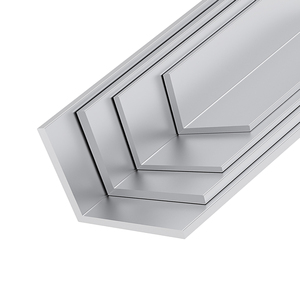
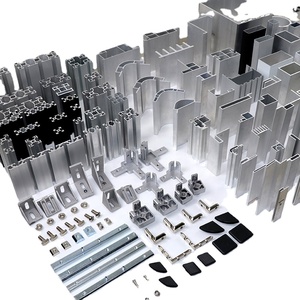
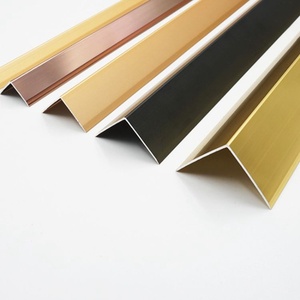
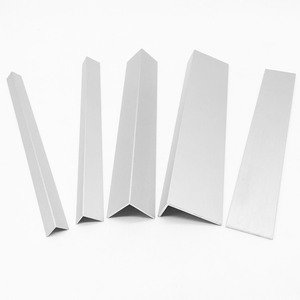
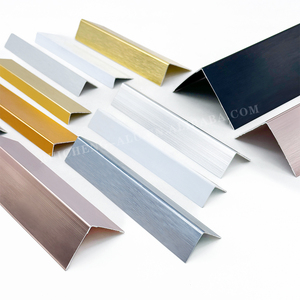
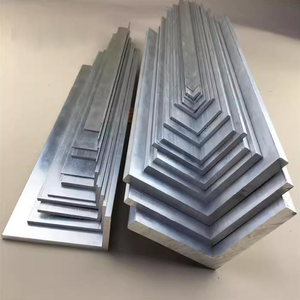
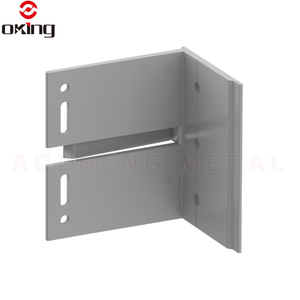
Operating integrated matrix extrusion lines, advanced surface finishing plants, and strict quality control labs to supply architectural contractors, formwork engineers, and distributors worldwide.
An executive analysis of global supply chain trends, alloy metallurgical advancements, and total cost of ownership (TCO) models in modern high-rise construction.
The global construction sector is undergoing a rapid transition toward modular, sustainable, and highly reusable monolithic concrete pouring technologies. Traditional timber plywood formwork and heavy structural steel shoring systems are increasingly phased out in favor of extruded aluminium formwork systems. Driven by ESG mandates, surging labor costs, and compressed project delivery timelines, developers and EPC contractors are restructuring their supply chain strategies to secure direct factory partnerships with specialized aluminium formwork manufacturers.
Aluminium formwork systems, manufactured primarily from high-tensile 6061-T6 and structural 6063-T6 aluminum alloys, offer an unmatched strength-to-weight ratio. Weighing approximately 18 to 25 kg per square meter, an entire floor formwork layout can be manually passed, positioned, and locked using simple pin-and-wedge connection mechanisms—eliminating reliance on heavy tower cranes for vertical formwork stripping and positioning.
Commercial procurement directors and commercial project buyers are focusing on three primary technical and economic drivers when vetting OEM manufacturers and global factories:
A technical evaluation comparing Extruded Aluminium Formwork against Steel and Timber Formwork systems across key performance indicators:
| Performance Metric | Aluminium Formwork (6061-T6) | Structural Steel Formwork | Timber / Plywood Formwork |
|---|---|---|---|
| System Dead Weight | 18 – 25 kg/m² (Crane-Independent) | 45 – 65 kg/m² (Crane-Dependent) | 12 – 18 kg/m² (Manual) |
| Reusability Lifespan | 300 to 500 Pours | 100 to 150 Pours | 5 to 12 Pours |
| Concrete Lateral Pressure Resistance | 60 – 80 kN/m² | 80 – 100 kN/m² | 20 – 30 kN/m² |
| Floor Cycle Speed (Typical Slab) | 4 to 5 Days per Floor | 7 to 10 Days per Floor | 10 to 14 Days per Floor |
| Surface Finish Quality | Fair-faced Concrete (No Plastering Needed) | Good (Minor Joint Seams) | Rough (Requires Full Plaster Render) |
| Residual Scrap Recovery Value | 65% - 75% Material Salvage | 20% - 30% Scrap Value | 0% (Disposal Cost Incurred) |
Inside modern aluminium formwork manufacturing plants: Metallurgy, precision extrusion, friction stir welding, and protective coating systems.
Formwork extrusions require precise artificial aging heat treatment (T6 temper) to achieve a tensile strength exceeding 290 MPa and yield strength above 240 MPa. Controlled magnesium-silicon ratios eliminate micro-cracking under heavy hydrostatic concrete pressure.
Panels, L-shape corner profiles, and wall angle trims undergo automated CNC punching, slotting, and robotized friction stir welding. Precise pin-hole alignment at 50mm centers ensures seamless panel coupling and zero concrete slurry leakage.
From 20–25 µm heavy-duty anodizing for coastal corrosion resistance to 60–80 µm Qualicoat-certified architectural powder coating and wood-grain transfer technology, profiles receive pre-treatments that prevent chemical reactions with alkaline concrete paste.
Combining end-to-end extrusion capabilities, custom die engineering, strict batch testing, and global export packaging under a single quality control chain.
We engineer custom extrusion dies directly from DWG/DXF architectural plans or structural samples. Our engineering team reviews section wall thicknesses, extrusion ratios, and press pressure limits before die cutting, producing first-article samples for client approval prior to full production runs.
Every extrusion profile undergoes automated non-chromate conversion pre-treatment, maximizing film adhesion. Whether executing electro-chemical oxide anodizing (10 to 25 µm) or electrostatic polyester powder coating (60–80 µm), dry film thickness and cross-hatch adhesion are logged against batch certificates.
We supply fully integrated formwork and facade structural packages. Wall angle profiles, corner angles, prop heads, rocker bases, tie rods, wall pins, and EPDM gaskets ship together, eliminating installation errors and section mismatch on site.
Orders leave our factory bundled with interleaved protective film, wrapped in heavy-duty moisture barrier materials, and secured in steel-strapped wooden crates. Complete mill test certificates (MTC), weight-per-meter schedules, and customs clearance paperwork ship with every sea container.
Contact our senior engineering team for profile CAD catalogs, alloy chemistry reports, structural loading calculations, and custom project quotations.
Clear, definitive answers to technical, metallurgical, and logistics questions commonly raised by structural engineers and commercial procurement teams.
Our structural formwork panels and heavy angles are extruded from high-strength 6061-T6 alloy, which delivers superior yield strength and resistance to deflection under hydrostatic concrete pressures. For architectural trims, window frames, door profiles, and curtain wall supports, we utilize 6063-T5 and 6063-T6 alloys, balancing structural integrity with high-grade surface anodizing and powder coating finishes.
Architectural powder coating is applied at a dry film build of 60 to 80 microns over chromate-free pre-treatment baths, meeting Qualicoat architectural standards. Electro-chemically anodized finishes range from 10 microns for interior applications up to 20–25 microns for heavy-duty exterior facade exposure, coastal marine protection, and repetitive concrete slurry contact.
Buyers submit DWG/DXF CAD drawings or physical cross-section samples. Our engineering team conducts a technical review of wall thickness uniformity, extrusion ratios, alloy flow, and tolerance classes. Once approved, we cut the precision extrusion die, run a trial batch, and issue first-article physical samples along with dimensional inspection reports for client sign-off prior to bulk manufacturing.
Yes. We manufacture advanced thermally broken profile assemblies using low-conductivity polyamide (PA66GF25) structural insulation strips mechanically crimped between inner and outer aluminum profile shells. This cuts frame conductive heat transfer, prevents interior condensation, and ensures compliance with international building energy-efficiency codes.
Extrusions receive protective surface film masking. Individual lengths are interleaved with non-abrasive paper or foam separators to prevent transport friction. Bundles are heat-sealed in polyethylene waterproof wrapping and packed into steel-strapped export wooden crates, ensuring profiles arrive at port destinations damage-free and ready for site installation.
Under standard site handling and proper release-agent application, high-grade 6061-T6 aluminum formwork panels routinely achieve 300 to 500 pour cycles without structural deformation. Simple wall angles, prop connectors, and secondary alignment profiles often exceed 500 cycles before requiring recycling.
Download our full technical catalog, request physical profile samples, or speak directly with our engineering team regarding your project CAD drawings.