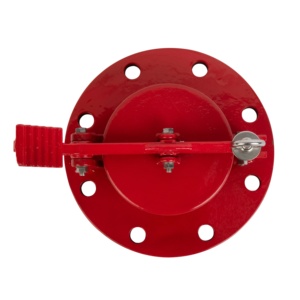
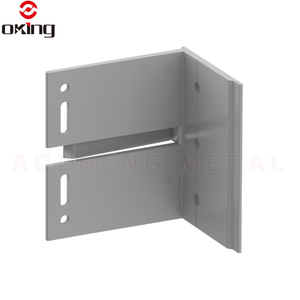
Directly engineered for structural curtain walls, architectural framing, industrial oil sampling hatches, and dry-hanging cladding systems.
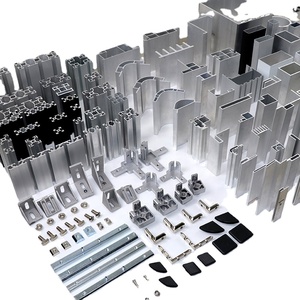
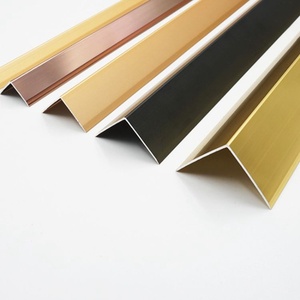
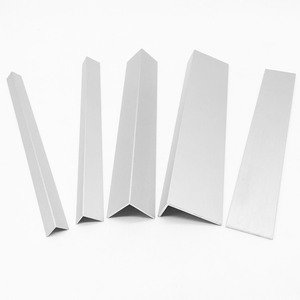
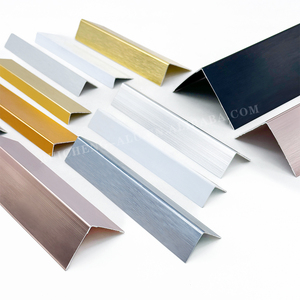
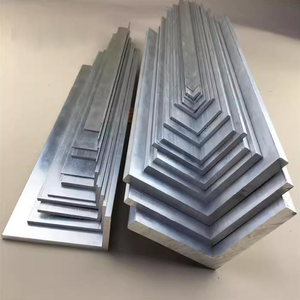
Pak Alumex Aluminium Industries operates an integrated plant on Painsra Road, Gojra, Faisalabad. By retaining extrusion, thermal treatments, surface coating, and CNC machining under one roof, we guarantee zero compromise on material integrity or dimensional tolerances.
Authorized Dealer Cities
Max Anodizing Depth
Powder Film Build
Batch Traceability
We utilize prime-grade 6063 and 6061 aluminium billets, precise homogenizing furnaces, and automated extrusion presses. Every extrusion batch undergoes rigorous T5 and T6 artificial ageing to meet exact tensile and yield requirements for structural facade systems.
Our finishing operations feature three core technologies: Architectural Anodizing (10–25 microns), Electrostatic Powder Coating (60–80 microns over chromate-free pre-treatment baths), and High-Definition Vacuum Sublimation Wood Grain Transfer.
Beyond mill-finish profiles, our facility provides comprehensive secondary fabrication: precision mitering, punch-hole slotting for dry hanging brackets, CNC notch milling, stretch bending, and TIG/MIG welding for custom architectural component assembly.
Selecting the correct aluminium alloy temper and wall thickness is critical to preventing architectural deflection, joint fatigue, or environmental corrosion over a 30+ year building lifespan.
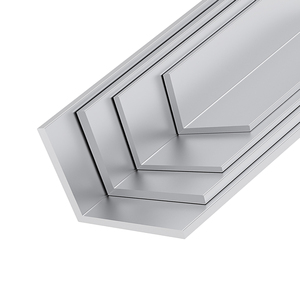
While 6063-T5 offers superb surface finish quality for residential window extrusions, high-rise unitized curtain walls and heavy-duty structural angle brackets mandate 6063-T6 or 6061-T6. T6 artificial ageing increases yield strength by up to 60%, maintaining slim sightlines under severe wind loads without structural deformation.
| Alloy & Temper | Tensile Strength (MPa) | Yield Strength (MPa) | Corrosion Resistance | Primary Industrial / Architectural Application |
|---|---|---|---|---|
| 6063-T5 | ≥ 185 | ≥ 145 | Excellent | Architectural Window Frames, Sliding Doors, Louvers, Decorative Trim |
| 6063-T6 | ≥ 245 | ≥ 205 | Excellent | Unitized Curtain Wall Mullions, Structural Angle Brackets, Canopy Frames |
| 6061-T6 | ≥ 290 | ≥ 240 | Very Good | Marine Structures, Boat Framing, Industrial Rail Systems, Heavy Load Angles |
| 6005A-T6 | ≥ 270 | ≥ 225 | Excellent | Solar Panel Mounting Frames, Railway Structural Components, Long Spans |
As international building codes enforce stricter decarbonization goals and envelope performance standards, B2B buyers must align with forward-thinking aluminum framing factories.
Procurement departments across Europe, North America, and the Middle East now track Scope 1, 2, and 3 embodied carbon. Factories integrating closed-loop scrap recycling into their melting furnaces reduce carbon intensity from ~16kg CO2/kg to under 4kg CO2/kg of extruded aluminum, gaining decisive tender advantages.
Monolithic solid framing profiles are being phased out in energy-efficient construction. Sourcing focus has migrated to thermally broken profiles utilizing mechanically crimped Polyamide (PA66GF25) thermal barriers, cutting conductive U-values dramatically to meet Net-Zero and LEED certification standards.
Rising on-site labor costs have accelerated demand for factory-glazed unitized curtain wall cassettes and pre-cut, pre-punched angle framing systems. Modern exporters are required to supply complete systems—including EPDM gaskets, thermal shims, and corner cleats—to enable plug-and-play field installation.
The aluminum extrusion industry is experiencing rapid technological evolution across die design software, automated quenching, and eco-friendly chemical pre-treatments.
Advanced CAD/CAM die design coupled with Finite Element Analysis (FEA) allows engineers to model metal flow velocity, stress distribution, and thermal gradients before steel is machined. This eliminates die correction iterations and guarantees accurate wall thickness profiles on first trial runs.
Replacing toxic hexavalent chromium baths with zirconium and titanium-based nano-ceramic pre-treatments provides optimal paint adhesion for powder coating while adhering to strict international environmental regulations and zero chemical discharge guidelines.
Modern vacuum heat transfer technologies allow powder-coated aluminium extrusions to perfectly mimic natural teak, oak, and walnut textures. This delivers timber’s aesthetic warmth with aluminium’s structural fire resistance, zero rot, and maintenance-free operational life.
Answers to crucial technical questions raised by structural engineers, procurement officers, and facade contractors.
Our architectural and structural range is extruded primarily in 6063 and 6061 alloys, heat-treated to T5 and T6 tempers. 6063-T5 is specified for standard architectural windows, doors, and interior partition frames. 6063-T6 and 6061-T6 are specified where higher yield strength and shear resistance are mandatory, such as unitized curtain wall mullions, structural angle brackets, and heavy cladding support systems. Full mill test certificates (MTC) are issued per batch.
Architectural powder coating is applied electrostatically at a dry film build of 60–80 microns over a chromate-free nano-ceramic pre-treatment bath, cured at 180–200°C in strict compliance with Qualicoat standards. Anodized finishes are produced from 10 microns for interior decorative applications up to 20–25 microns for heavy-exposure exterior facades, coastal marine environments, and high-UV zones.
Yes. Our engineering department develops custom profile dies directly from customer DWG/DXF CAD files or physical samples. Prior to die machining, our engineers conduct a comprehensive section review analyzing extrusion ratios, wall thickness uniformities, and press capabilities. First-article samples are extruded, measured, and supplied for client sign-off before mass production begins.
Thermally broken systems incorporate continuous glass-fiber-reinforced Polyamide (PA66GF25) strips mechanically knurled and crimped between outer and inner aluminium extrusions. This thermal barrier prevents conductive heat transfer across the frame, preventing condensation build-up and lowering overall HVAC cooling loads in double-glazed curtain walls and high-performance window systems.
Profiles are individually wrapped with protective shrink film, interleaved with non-abrasive paper, and bundled into heavy-duty protective plastic wrapping or heat-treated ISPM-15 compliant wooden crates. Consignments shipped via Karachi port receive detailed packing lists, profile weight schedules, and batch inspection certificates to guarantee zero surface scratching or distortion during transit.
For coastal structures within 1 km of ocean water, we strongly recommend Class 2 Anodizing (20–25 microns). Unlike topical coatings, anodizing forms an integral aluminum oxide layer directly converted from the parent metal, completely eliminating film peeling, blistering, or filiform corrosion. Alternatively, PVDF coating or hyper-durable Qualicoat Class 2 powder coating over anodized pre-treatment (Seaside Pre-treatment) can be specified.
Submit your section CAD drawings, alloy specifications, and surface finish requirements. Our engineering team provides profile weight evaluations, die cost estimates, and commercial quotations within 24 hours.