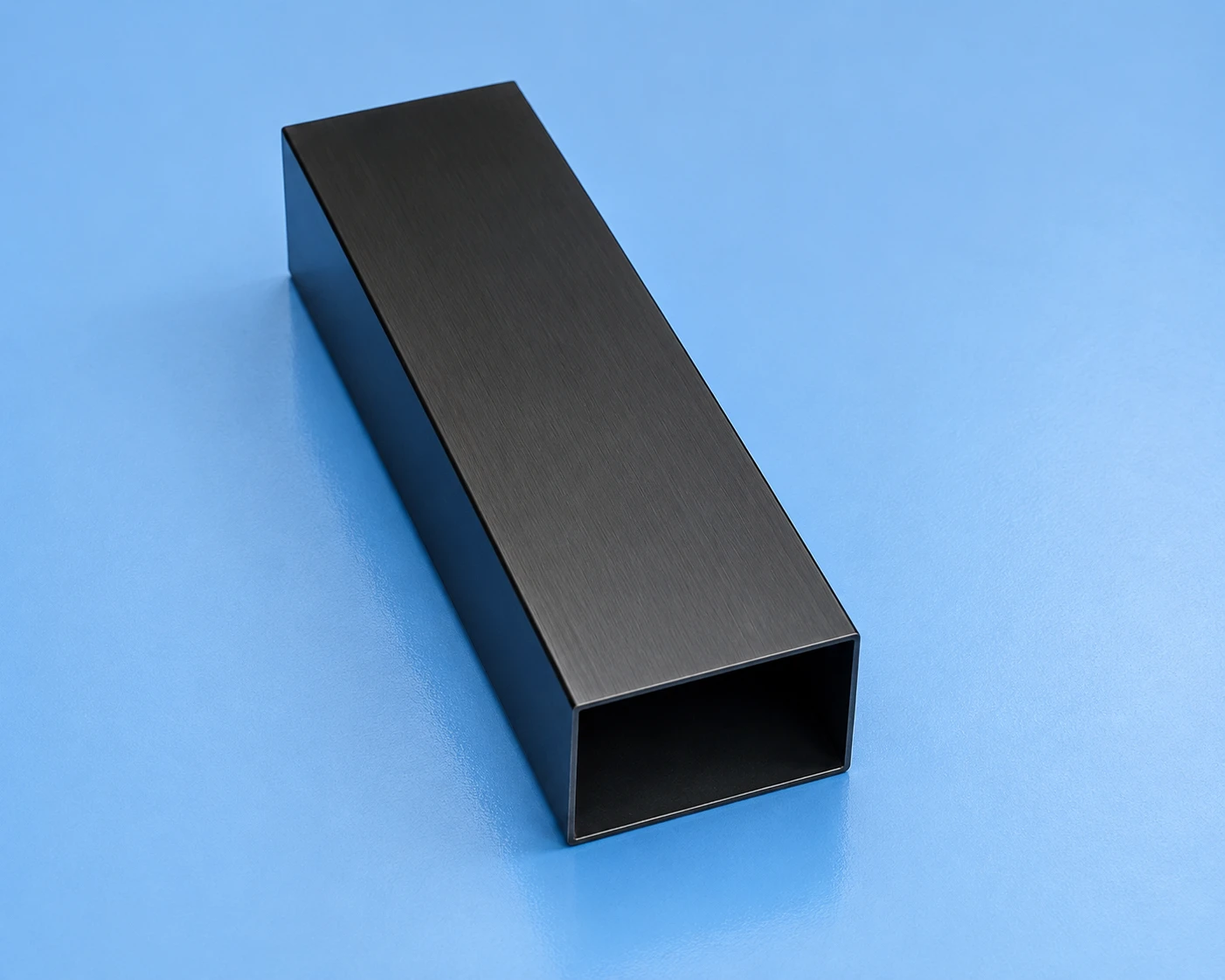
Black Anodizing
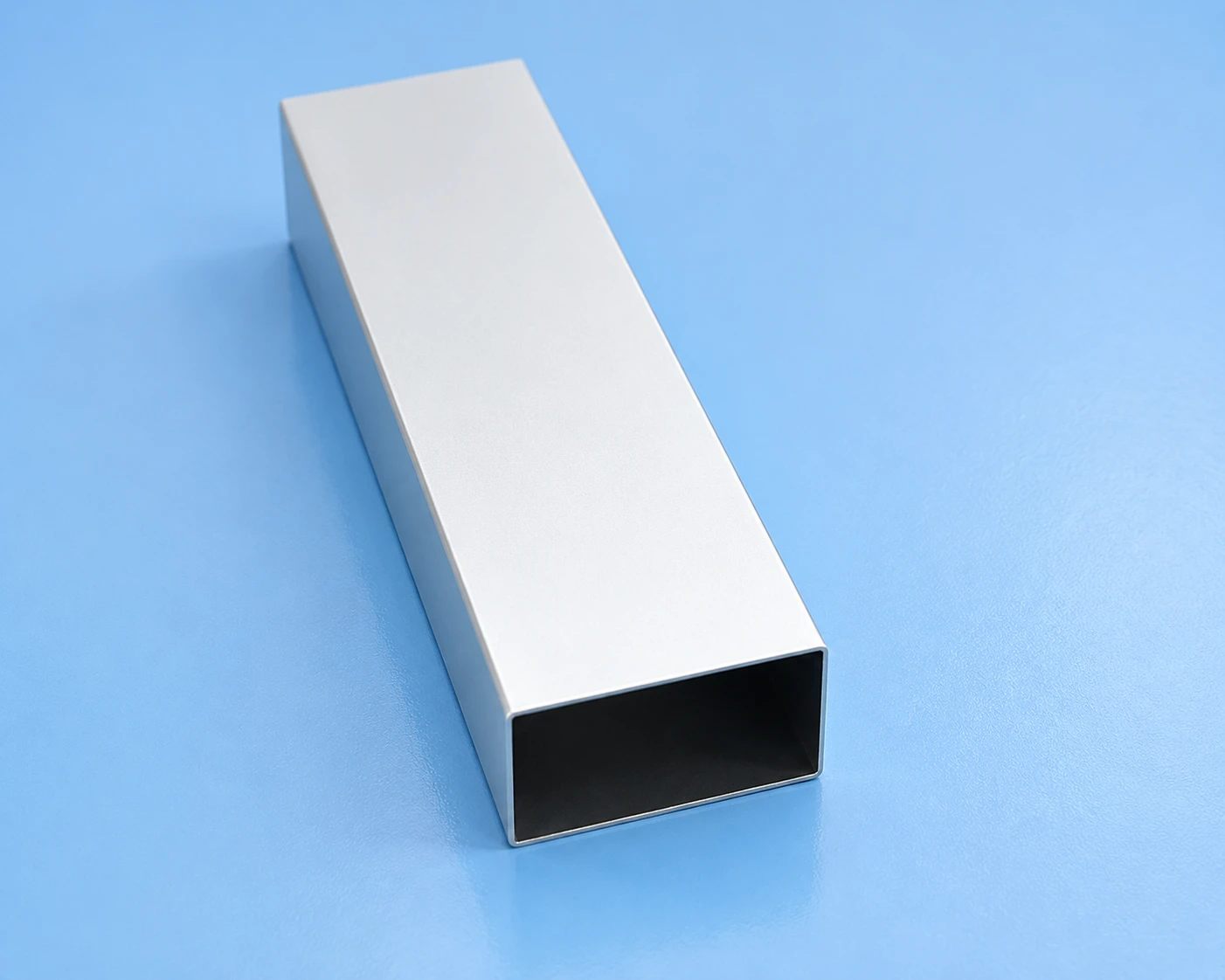
Deep matte black anodic oxide finish providing contrast and contemporary elegance for high-rise facade mullions and window frames.
- Qualanod Class 20/25
- Fade-Proof Color
- Extreme Corrosion Resistance
Anodizing is an electro-chemical conversion process that converts the aluminium metal surface into a durable, corrosion-resistant, decorative anodic oxide finish. Unlike painting or powder coating, the oxide layer is fully integrated with the underlying aluminium substrate, eliminating risk of flaking, peeling, or chalking over time.
At Pak Alumex, our automated sulfuric acid anodizing lines process 6063-T5 and 6063-T6 architectural extrusions to exact international specifications (including Qualanod guidance). Controlled voltage density, bath temperature, and electro-coloring tanks guarantee precise film thickness (10 to 25 microns) and permanent metallic shades designed for severe outdoor weathering.
From classic champagne to rich dark bronze and deep black, our electro-chemically colored finishes provide permanent metallic luster for modern exterior elevations.
Deep matte black anodic oxide finish providing contrast and contemporary elegance for high-rise facade mullions and window frames.
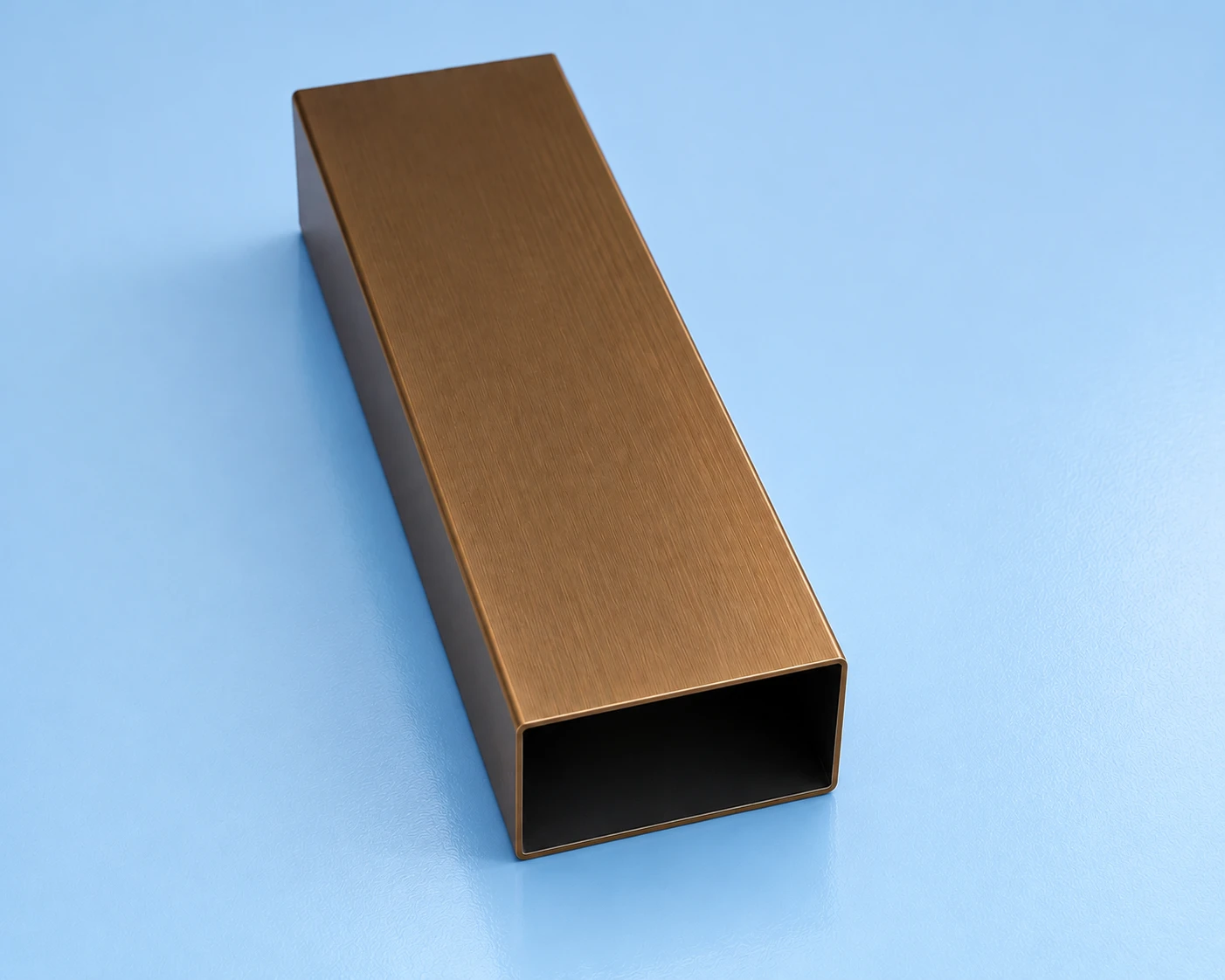
Warm bronze tones ranging from light bronze to dark brown electro-colored finishes, ideal for institutional and luxury hospitality facades.
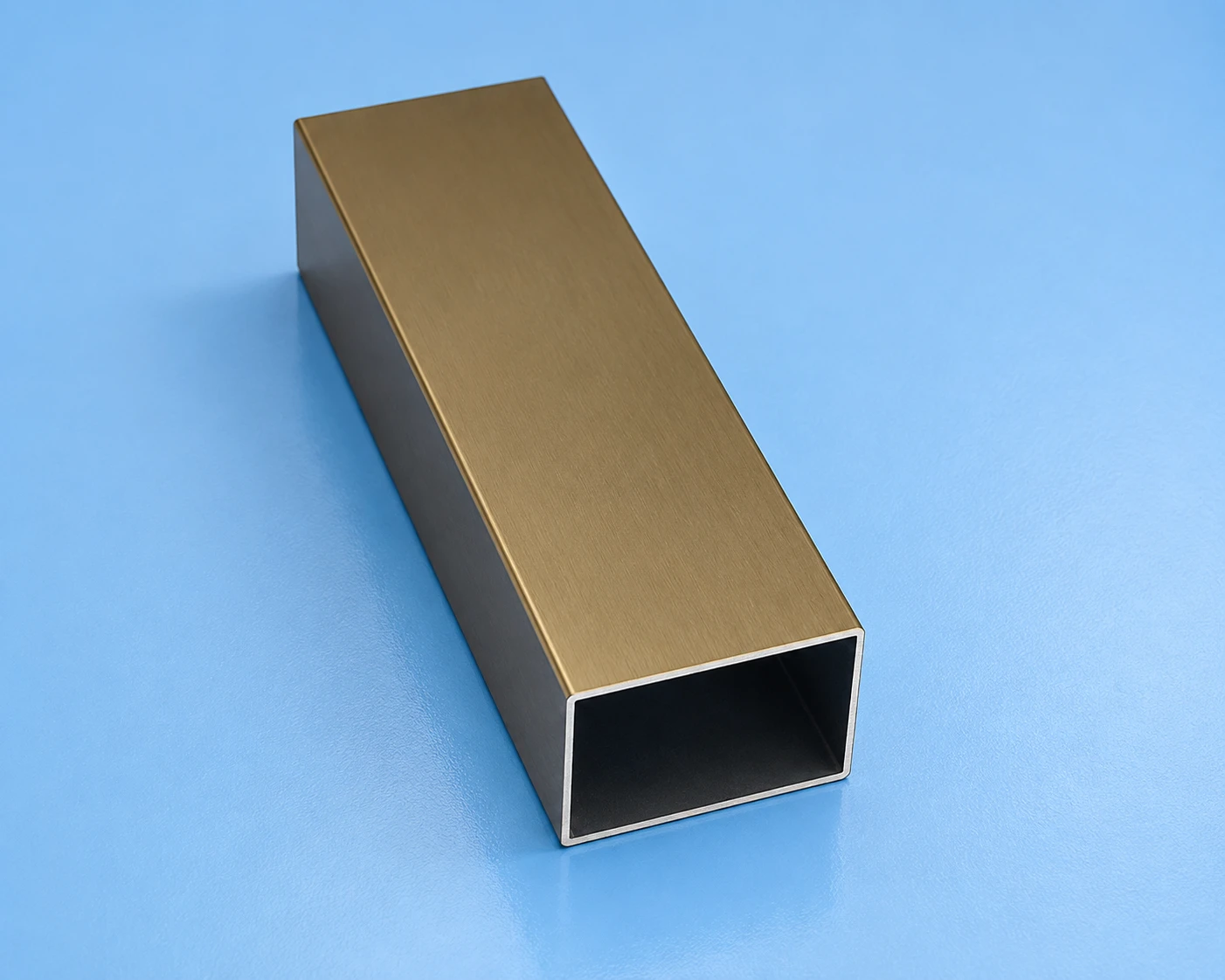
Refined metallic champagne shade offering soft reflection and subtle luxury for high-end residential doors, windows, and curtain walls.
Chemically etched satin silver finish reducing industrial glare while giving natural metallic depth for clean corporate architecture.
Every production lot is monitored in-house for film thickness, sealing quality, surface hardness, and color consistency before dispatch.
| Parameter | Standard Specification | Pak Alumex Capability | Architectural Application |
|---|---|---|---|
| Film Thickness (Standard) | 10–15 microns (Class 10/15) | Precise 10–15 µm electrolytic bath | Interior partition frames, doors & interior fittings |
| Film Thickness (Heavy-Duty) | 20–25 microns (Class 20/25) | Certified 20–25 µm thick oxide layer | Exterior curtain walls, high-rise facades, coastal areas |
| Base Metal Alloys | EN AW-6063 / ISO AlMg0.5Si | 6063-T5 & 6063-T6 Extruded Billet | Structural mullions, transoms, louvers, windows |
| Sealing Quality | ISO 2931 / ISO 3210 compliant | Hydrothermal sealing (Demineralized H2O) | Prevents staining and chemical degradation |
| Salt Spray Resistance | AASS / CASS 1000+ Hours | Passes severe saline fog exposure | Harsh industrial & coastal marine zones |
| Color Fastness | UV Stability Grade 8 | Inorganic electro-deposited pigment | Permanent exterior exposure without yellowing |
Explore our full line of surface technologies produced under one roof in our Faisalabad manufacturing plant.
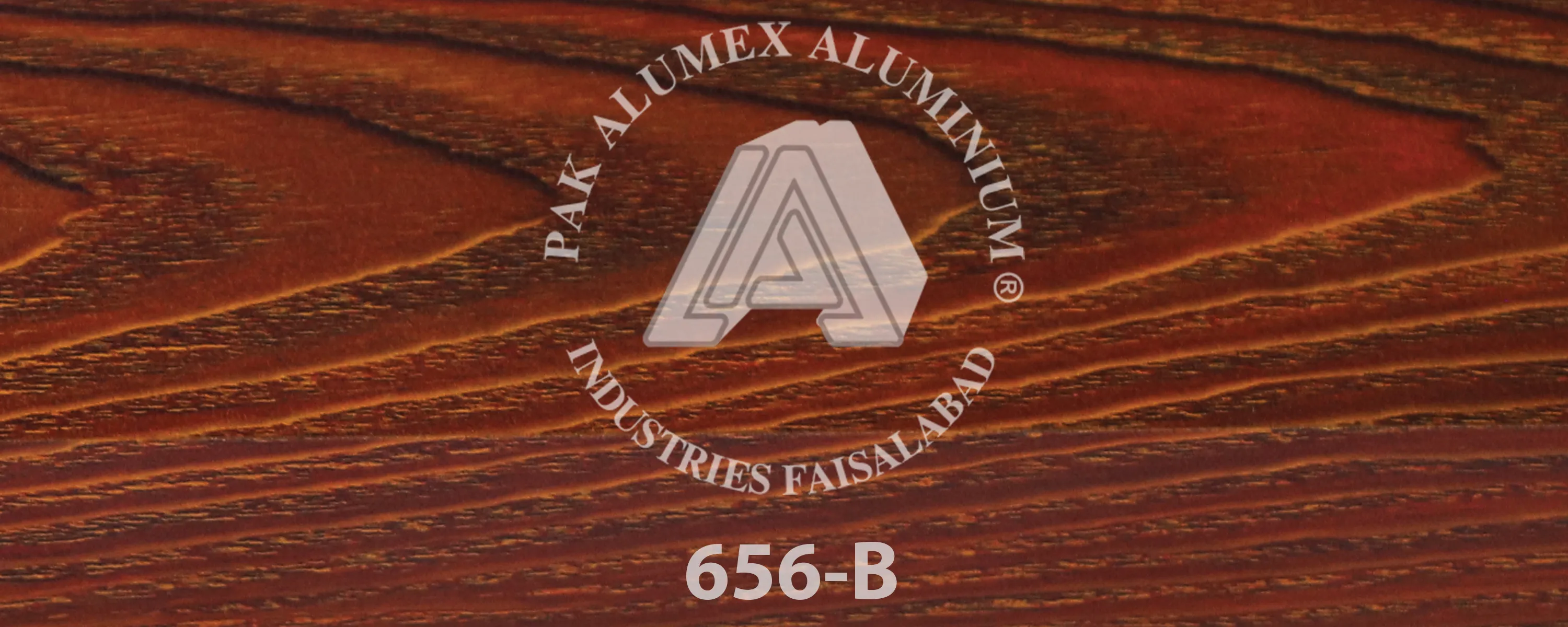
Heat-transfer sublimation reproducing oak, teak, walnut, and mahogany grain over a durable powder-coated base coat.
Polyester powder finishes applied at 60–80 microns dry film build across the complete RAL color palette for modern design flexibility.
Key technical considerations for facade engineers, overseas buyers, and main contractors specifying anodized extrusions.
For interior partitions and residential hardware, an anodized layer of 10 to 15 microns is sufficient. For exterior building facades, curtain wall mullions, and coastal environments, a thickness of 20 to 25 microns (Qualanod Class 20/25) is specified to ensure UV resistance and long-term salt-spray corrosion protection.
Anodizing grows an oxide film directly out of the base aluminium substrate rather than applying a surface paint layer. This eliminates risks of peeling, flaking, or blistering under severe weather. It also preserves the metallic sheen of the aluminium.
Extruded 6063 alloy in T5 or T6 temper provides superior surface clarity, uniform grain structure, and optimal color responsiveness during the anodizing bath, making it the industry benchmark for facade systems.
Yes. Our automated electrolytic coloring tanks and computerized bath chemistry controls maintain tight color tolerances (Delta E) across volume production lots for international projects.
Share your CAD drawings, required anodizing micron class, and color requirements with our technical team. We supply full metallurgical analysis, profile samples, and export packaging specifications.