As a premiere international aluminium extrusion manufacturing facility, we specialize in delivering structural aluminium profiles, custom alloy formulations, and high-performance architectural systems tailored to withstand Sri Lanka’s demanding tropical coastal atmosphere.
Sri Lanka’s unique tropical island geography introduces significant engineering challenges for structural metals. Major urban hubs such as Colombo, Galle, Hambantota, and Trincomalee operate under high atmospheric salinity, elevated ambient humidity (averaging 70% to 90% year-round), intense tropical ultraviolet (UV) radiation, and monsoonal driving rain. Standard commercial-grade aluminium profiles subjected to these environmental stressors often experience filiform corrosion, surface chalking, or structural degradation within months of installation if improper alloy chemistries or inadequate surface treatments are selected.
Our manufacturing plant extrudes primary billet stock utilizing precision alloy matrix control, specifically engineered for tropical coastal durability. Primary alloys supplied to Sri Lankan developers, glazing contractors, and structural engineers include:
| Alloy & Temper | Tensile Strength (MPa) | Yield Stress (MPa) | Corrosion Resistance Rating | Primary Sri Lankan Application Scenarios |
|---|---|---|---|---|
| 6063-T5 | ≥ 185 | ≥ 145 | Excellent | Standard window frames, internal partition systems, decorative shopfront trim in Colombo. |
| 6063-T6 | ≥ 215 | ≥ 170 | Excellent + Marine Treated | High-rise curtain wall mullions, louver blades, bi-fold doors exposed to coastal wind loads. |
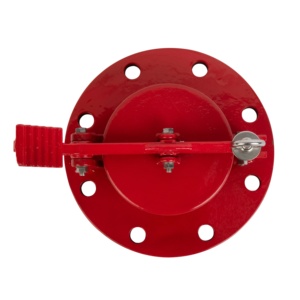
| 6061-T6 | ≥ 290 | ≥ 240 | Superior Structural | Heavy-duty structural brackets, industrial rail systems, marine hatch fittings, solar mounting. |
| 6082-T6 | ≥ 310 | ≥ 260 | High Structural Marine | Port city infrastructure, bridge walkways, high-load facade dry-hanging cladding supports. |
To prevent galvanic corrosion and micro-structural pitting, our primary extrusions are subjected to controlled air and water quenching directly at the press output, followed by artificial precipitation hardening in computer-controlled ageing ovens. This process stabilizes the Mg₂Si (magnesium silicide) phase across the crystal boundaries, giving contractors in Sri Lanka structural reliability that meets both British Standards (BS EN 755 / BS EN 12020) and American ASTM B221 specifications.
From high-density urban towers in Colombo to eco-luxury resorts in Sigiriya and coastal infrastructure in Hambantota, our profiles are specifically adapted to regional requirements.
High-rise commercial developments along Colombo’s Marine Drive and Port City demand facade profiles capable of resisting heavy wind shear loads (up to 2.5–3.0 kPa). We engineer custom unitized curtain wall profiles and heavy-wall mullions (wall thickness 2.5mm–3.5mm) in alloy 6063-T6, equipped with structural thermal break strips (Polyamide PA66 GF25) to drastically reduce interior solar heat gain and air conditioning energy consumption.
Luxury boutique hotels, beach resorts, and private villas in Southern Sri Lanka require aesthetic harmony without compromising weather tightness. Our 3D Sublimation Wood-Grain Aluminium Profiles provide the warm aesthetic of natural teak or mahogany while eliminating the rot, termite vulnerability, and salt-air weathering of timber. Profiles feature Qualicoat Class 2 standard coatings designed for 10+ years of zero-fading performance.
In hilly inland areas like Kandy, Nuwara Eliya, and Kurunegala, fluctuating day-to-night temperatures create thermal condensation challenges. Our thermally broken sliding door and casement window systems isolate internal and external aluminium frames, stopping interior moisture buildup while providing superior acoustic insulation against rainfall noise during the Central Highlands monsoon season.
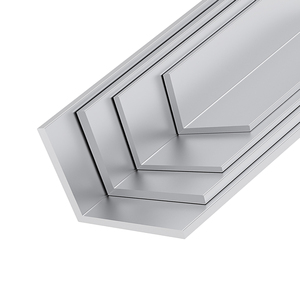
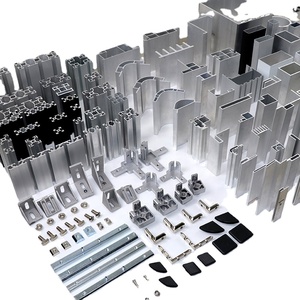
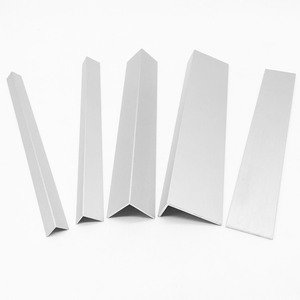
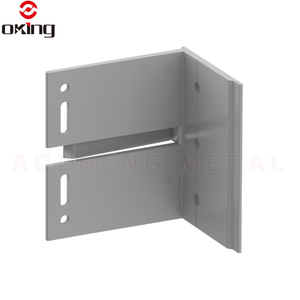
Industrial zones and maritime facilities require specialized heavy-duty component extrusions. We supply precision-milled aluminum angle brackets for stone and glass dry hanging cladding systems, structural angle iron for boat building, tank hatch seals with chemical-resistant EPDM gaskets, and modular T-slot profiles for automated assembly lines in Export Processing Zones (EPZs).
The Sri Lankan construction and industrial market is experiencing a structural transition driven by urbanization, regulatory updates, and modern architectural standards. Understanding these macro trends allows specifiers, developers, and procurement managers to future-proof their projects:
The Green Building Council of Sri Lanka (GBCSL) is actively enforcing energy-efficient construction practices. High-performance aluminium extrusions with dual-polyamide thermal barriers significantly lower HVAC loads, directly contributing to higher GREENSL® and LEED accreditation scores for commercial developments.
Due to deforestation concerns, strict logging regulations, and natural timber's vulnerability to humidity-induced warping, Sri Lankan architects are increasingly specifying powder-coated and wood-sublimated aluminium profiles for louvers, pergolas, doors, and interior partitions.
Rising site labor costs in Sri Lanka are accelerating the adoption of dry-hanging facade bracket systems and unitized curtain wall cassettes. Factory-machined aluminium angle brackets allow rapid, safe installation on high-rise structures without requiring extensive site welding or wet masonry work.
Partnering directly with our extrusion factory gives Sri Lankan clients a competitive advantage by cutting out intermediary trading companies, ensuring strict adherence to chemical composition, and providing custom die development supported by experienced metallurgical engineers.
We operate fully automated vertical and horizontal powder coating lines, electro-colour anodizing tanks, and 3D wood grain vacuum transfer stations. For coastal Sri Lankan projects, our anodizing line delivers anodic film builds up to 25 microns (AA25 standard), creating an integral oxide layer that resists salt spray corrosion, pitting, and atmospheric erosion.
When off-the-shelf profile geometries fail to meet project requirements, our die engineering department designs custom extrusion tooling directly from DWG/DXF CAD files. We manufacture custom steel dies in-house within 7 to 10 working days, providing pre-production extruded sample lengths for client sign-off before mass production.
Every production lot undergoes rigorous laboratory testing prior to export packaging. Tests include optical emission spectrometer chemical analysis, Webster hardness testing, cross-hatch paint adhesion testing (ISO 2409), film thickness gauging, and accelerated neutral salt spray testing (ASTM B117) guaranteed for up to 3,000 hours of continuous exposure.
Profiles destined for the Port of Colombo or Hambantota are protected with customized surface protective film, interleaved with non-abrasive foam paper, bundled in waterproof shrink-wrapping, and secured inside fumigated wooden crates or steel frames to guarantee zero transit damage during ocean container transport.
Direct technical answers regarding customs clearing, shipping logistics, surface standards, and minimum order requirements.
Ocean freight from our factory port to the Port of Colombo typically takes 10 to 14 days in transit. Total lead time, including extrusion production, anodizing or powder coating, quality testing, and container loading, ranges between 20 to 25 days from final CAD drawing approval. We provide full CIF Colombo or FOB shipment terms with complete commercial documentation (Form E/COO, Commercial Invoice, Packing List, Mill Test Certificates).
For structures located within 1 kilometer of the shoreline, we strongly recommend either Anodized AA25 (20–25 microns) or Qualicoat Class 2 / Seaside Super Durable Powder Coating (60–80 microns) using PVDF or fluorocarbon resin systems. These finishes prevent micro-cracking and salt-crust oxidation caused by constant ocean breezes.
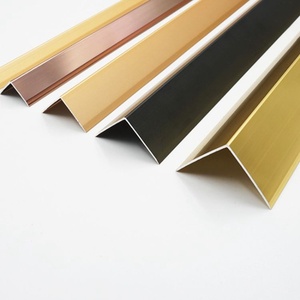
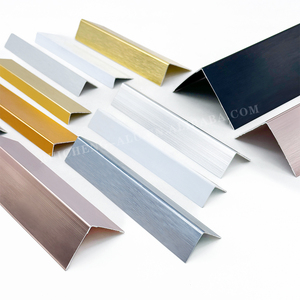
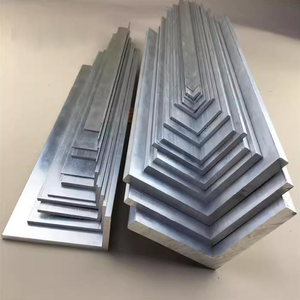
For standard commercial architectural profiles (such as equal angles, wall trims, standard tubes, and casement channels), our MOQ is 500 kg per profile section. For bespoke custom die profiles, the MOQ is typically 1,000 kg (1 Metric Ton) per section, with die tooling fees waivable upon reaching negotiated cumulative volume thresholds.
Yes. All structural extrusions strictly conform to BS EN 755, BS EN 12020-2 (dimensional tolerances for precision profiles), ASTM B221, and ISO 9001:2015 quality management benchmarks. Our products easily pass local project inspections by Sri Lankan structural consultants and municipal building authorities.
Absolutely. In addition to mill-finish or coated profile lengths (standard 5.8m, 6.0m, or custom container-fit lengths), our value-added fabrication division offers precision CNC mitre cutting, drilling, punching, notch-milling, tapping, and welding services. This allows Sri Lankan fabricators to receive ready-to-assemble kit components directly on site.
Simply submit your architectural elevation drawings, profile cross-sections, or DWG files through our global engineering chat portal below. Our technical sales engineering team will evaluate wall thickness feasibility, profile linear weight (kg/m), recommended alloy/temper, and issue a comprehensive commercial and technical proposal within 24 hours.
Connect with our senior technical extrusion engineers today. Request complete section catalogs, mechanical test reports, alloy data sheets, and competitive direct-factory pricing for your upcoming Sri Lankan projects.