Direct factory supply of precision-extruded 6000-series aluminium profiles, structural base shoes, glass handrail channels, and angle accessories engineered to withstand extreme wind loads and tropical atmospheric conditions.
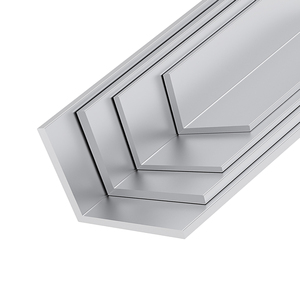
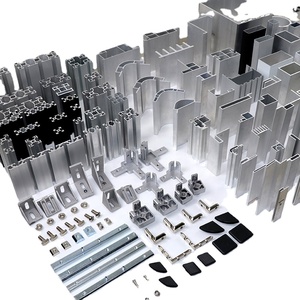
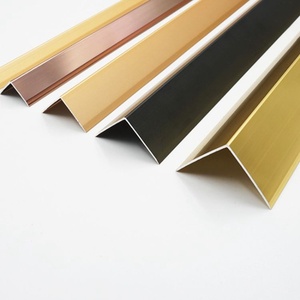
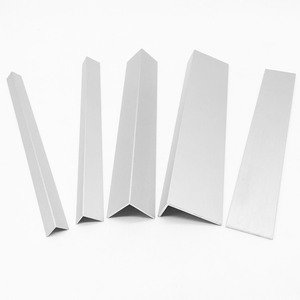
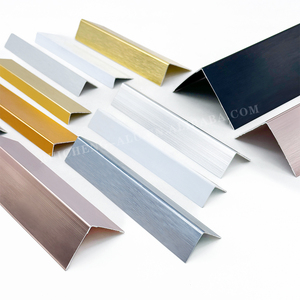
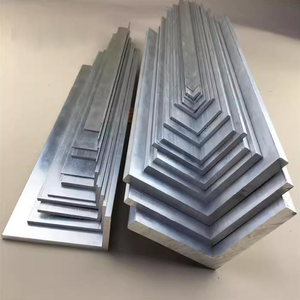
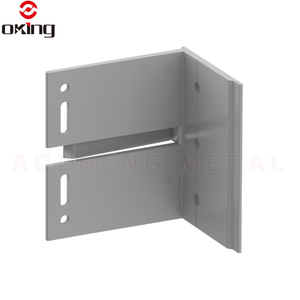
As urban development across India shifts rapidly toward high-rise residential complexes, expansive commercial IT parks, and luxury waterfront developments, the architectural demand for high-performance safety barriers has evolved. Traditional Mild Steel (MS) and Stainless Steel (SS 304) railings are increasingly being replaced by engineered extruded aluminium balustrade systems. Aluminium provides an unmatched strength-to-weight ratio, complete immunity to red-rust degradation, and complete design freedom via complex die geometry.
Our manufacturing facility specializes in extruding primary-billet aluminium to achieve exacting mechanical properties. For standard architectural glass railing channels, handrail caps, and balusters, Alloy 6063-T6 offers an optimal balance of surface finish quality, complex section extrudability, and mechanical yield strength. Where extreme structural spans or heavy point loads are required—such as stadium balustrades or hurricane-prone coastal high-rises—we deploy Alloy 6061-T6, which delivers ultimate tensile strengths exceeding 310 MPa.
| Property Parameter | 6063-T5 | 6063-T6 (Standard Railing) | 6061-T6 (Heavy Structural) |
|---|---|---|---|
| Tensile Strength (Ultimate) | 150 MPa (Min) | 205 MPa (Min) | 310 MPa (Min) |
| Yield Strength (0.2% Offset) | 110 MPa (Min) | 170 MPa (Min) | 276 MPa (Min) |
| Hardness (Webster) | ≥ 8 HW | ≥ 12 HW | ≥ 15 HW |
| Elongation (in 50mm) | 8% | 10% | 12% |
| Corrosion Resistance Class | High (Atmospheric) | Very High (Architectural) | Superior (Marine/Industrial) |
Indian structural mandates under NBC 2016 (Part 6: Structural Design) and IS 875 (Part 3: Wind Loads) dictate rigorous horizontal line-load requirements for balustrades. In high-density residential developments in cities like Mumbai, Delhi NCR, and Bengaluru, handrails must withstand minimum horizontal impact forces of 0.75 kN/m to 1.5 kN/m at a height of 1.1 meters. Our continuous base-shoe extrusions feature finite element analysis (FEA) optimized internal ribbing that distributes lateral glass deflection torque evenly across concrete slab anchors, eliminating structural fatigue under cyclic monsoon wind gusts.
India’s diverse climatic regions present vastly different environmental stresses on exterior building facades. From high-salinity coastal zones to humid tropical plains and extreme thermal urban environments, our extruded aluminium railing profile solutions are engineered for localized application performance.
Environmental Stress: Marine salt-spray (C5-M atmospheric corrosive category), heavy monsoon rains, high humidity, and high wind pressures on upper balcony levels.
Engineered Solution: Deep-anodized (20–25 micron) or Qualicoat Class 2 PVDF powder-coated aluminium base channel profile systems. Completely impervious to chloride-induced pitting, preventing the unsightly aesthetic deterioration and structural rusting typical of stainless steel Grade 304 in coastal Mumbai and Goa.
Environmental Stress: Heavy foot traffic in atrium corridors, stringent safety standards, demand for seamless frameless glass visual clarity, and fast-track construction schedules.
Engineered Solution: Heavy-duty surface-mounted and side-mounted aluminium base-shoe channels paired with integrated LED light channels. Our modular extrusion profiles allow rapid dry-glazing installation using drop-in expansion wedges, saving up to 40% in site installation labor time.
Environmental Stress: High diurnal temperature variations, intense solar UV exposure, and demand for premium organic aesthetics that match local architectural heritage.
Engineered Solution: Sublimated wood-grain finished aluminium railings. Delivers the authentic luxury aesthetic of natural teak or walnut wood without the warping, termite damage, moisture decay, or continuous varnish re-application demanded by real timber in tropical Indian climates.
Environmental Stress: Extreme crowd impact forces, continuous physical contact, requirement for anti-vandal durability, and non-combustible materials.
Engineered Solution: Heavy-wall 6061-T6 post-and-rail systems with mechanical internal corner joiners and concealed base anchorage. Fully compliant with fire safety codes (Class A non-combustible material classification).
The Indian architectural hardware and facade market is undergoing a seismic structural transition. Driven by government initiatives such as the Smart Cities Mission, the expansion of Tier-1 and Tier-2 airport infrastructure, and a booming luxury housing segment, several macro trends favor our primary aluminium extrusion factory solutions:
Architects across India are moving away from isolated stainless steel spigots toward continuous extruded aluminium base shoe channels. Continuous channels distribute structural loads across the entire slab edge rather than creating concentrated stress points on glass panels. This design dramatically minimizes spontaneous tempered glass breakage caused by thermal expansion under harsh Indian summer sunlight.
Sustainable construction in India is heavily incentivized. Aluminium is 100% infinitely recyclable without material degradation. Utilizing primary aluminium extrusions produced in energy-efficient presses directly contributes to earning environmental credits under Indian Green Building Council (IGBC) and GRIHA rating systems, lowering the carbon footprint of tier-1 developer projects.
Modern Indian facade aesthetics have moved beyond silver metallic finishes. Architects frequently specify dark bronze, charcoal grey, champagne anodized, and textured architectural matte black coatings that harmonize with modern double-glazed curtain wall systems. Our in-house electrostatic powder coating lines apply architectural-grade polyester coatings (60–80 microns thick) tested against 1,000+ hours of continuous salt spray testing.
As a specialized global manufacturer and direct exporter serving the Indian market, our production infrastructure is designed to fulfill complex OEM/ODM projects, large-scale commercial tenders, and custom profile extrusion orders with zero compromise on precision.
We engineer and cut custom extrusion dies directly from CAD/BIM drawings (DWG, DXF, STEP). First-article profile extrusion samples are produced within 10 to 14 days for rapid architect approval prior to mass production.
Integrated state-of-the-art anodizing and vertical powder coating lines on a single plant site ensure strict lot-to-lot color consistency, eliminating multi-vendor processing delays and supply chain friction.
Export bundles are wrapped with inter-leaf protective film, bundled with high-density foam padding, and packed in reinforced sea-worthy wooden crates or steel frames to guarantee zero surface scratching during transit to Nhava Sheva or Mundra ports.
For high-rise coastal developments in cities such as Mumbai, Chennai, or Visakhapatnam, we strongly recommend 6063-T6 or 6061-T6 aluminium alloy with an anodized coating thickness of at least 20–25 microns, or a Qualicoat-certified architectural powder coat. Anodizing creates an integral electro-chemical oxide surface layer that cannot chip, peel, or undercut, offering complete protection against salt-laden atmospheric corrosion.
Our structural glass railing base channels are engineered using finite element analysis (FEA) to exceed the 1.5 kN/m line load mandate stipulated in NBC 2016 for residential and commercial occupancies. We provide comprehensive technical calculation sheets, structural moment capacity data, and physical load test reports from accredited laboratories upon project request.
For existing profile dies, bulk production takes approximately 12 to 15 days. For custom section development, matrix die cutting takes 10–12 days, followed by sample approval. Ocean freight transit from our facility to primary Indian container ports (Nhava Sheva / JNPT Mumbai, Mundra, Chennai, or Kolkata) typically ranges from 12 to 18 days depending on the shipping line selected.
All exports to India are supplied under international standard trade terms (FOB, CIF, or CFR). We provide complete commercial invoices, packing lists with net/gross weight breakdowns, Bills of Lading (B/L), Certificates of Origin, and Mill Test Certificates (MTC). The standard HS Code for extruded aluminium railing profiles is 7610.90 (Aluminium structures and parts of structures).
Yes. We utilize advanced heat-transfer sublimation technology using premium Italian polyurethane films. This produces hyper-realistic teak, oak, walnut, and mahogany wood textures over a durable powder-coated aluminium substrate. The surface resists severe UV degradation and high moisture, making it ideal for tropical Indian resort environments.
We provide complete balustrade system packages. This includes the main structural aluminium channel, rubber pressure gaskets (EPDM grade for thermal stability), glass alignment pressure wedges, top handrail cap profiles, end caps, corner connectors, and concrete expansion anchors.
Absolutely. Over 60% of our extrusion capacity supports direct OEM manufacturing for global architectural hardware brands and system integrators. We sign strict Non-Disclosure Agreements (NDAs) to protect your proprietary die designs and commercial market exclusivity.
Our standard MOQ for stock architectural railing dies is 500 kg per profile section. For custom die development orders, our typical MOQ is 1 metric ton per section. LCL (Less than Container Load) and full 20ft/40ft FCL shipments are routinely handled by our logistics team.
Planning an architectural development, high-rise residential project, or importing wholesale aluminium railing profiles into India? Speak directly with our facade engineering team today.