Precision-engineered extrusions and insulated window sash assemblies designed to meet rigorous Japanese Industrial Standards (JIS A 4702/4706) and local structural wind-load requirements.
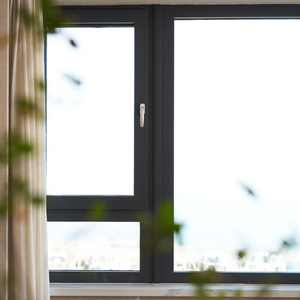
Hybrid structural sash combining exterior weather-resistant 6063-T6 aluminum extrusion with interior solid timber. Engineered for premium kitchen and bathroom moisture barrier applications.

Heavy-duty anodic coated accessory profile systems used for custom architectural cresting, decorative sash crowning, and custom structural belt trim in modern commercial facade fit-outs.
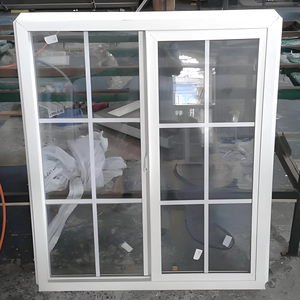
Double-hung vertical sliding aluminum window sash featuring integrated spiral balances, EPDM weather-stripping, and high-tensile frame corners for commercial residential complexes.
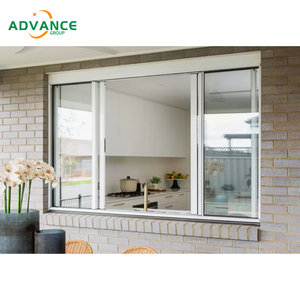
Ultra-quiet, energy-saving sliding sash profile system equipped with imported polyamide thermal strips (PA66GF25) and heavy-duty stainless steel tandem rollers for high-end residential villas.
Precision extruded thin-wall aluminium profile assemblies treated with micro-thin protective coating, ideal for interior glass partitions, frame joinery, and specialized structural trim.
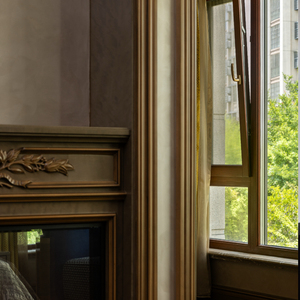
Luxury architectural sash offering multi-stage tilt-turn ventilation. Seamless laser-welded exterior aluminium frame protection combined with acoustic interior solid wood structure.
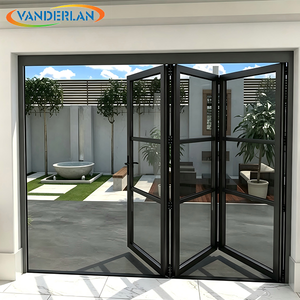
Flexible multi-leaf folding sash system engineered for expansive openings up to 12 meters wide. Heavy-load stainless steel carriage track ensures effortless sliding motion for backyard patios.
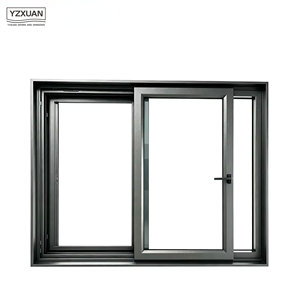
High-performance parallel sliding and drift sash with integrated 304 stainless steel insect screen. Built with dual polyamide thermal breaks for maximum noise reduction and thermal barrier performance.
Analyzing micro-climatic factors, seismic compliance, and urban density demands for aluminum sash deployment in the Chubu industrial heartland.
In Nagoya's bustling urban centers around Nagoya Station (Meieki) and the Sakae 2-Chome redevelopment zones, skyscrapers face severe wind pressures and street-level acoustic pollution. Our 6063-T6 heavy-mullion aluminium sash extrusions are spec-matched to JIS A 4702 S-6 standards (withstanding up to 2800 Pa wind pressures) while achieving T-3 acoustic attenuation (35 dB noise reduction).
In residential areas like Chikusa, Mizuho, and Toyota City, demand for Zero Energy Buildings (ZEB) drives strict thermal envelope standards. Our polyamide thermal break sashes prevent internal condensation caused by cold winter "Ibuki-oroshi" winds from the Suzuka mountains, maintaining indoor thermal equilibrium and lowering annual HVAC power consumption.
Developments surrounding Nagoya Port, Chita Peninsula, and Tokai City suffer aggressive airborne salt spray and chemical industrial emissions. We apply 20–25 micron electro-deposited anodic finishes or Qualicoat Class 2 fluoropolymer powder coatings that resist surface pitting and filiform corrosion for over 25 years without degraded appearance.
Unlike regional trading intermediaries, our manufacturing plant executes billet casting, precision press extrusion, thermal ageing, and chemical surface finishing under a single ISO 9001 quality management umbrella.
We process primary 6063 aluminum billets, homogenizing at 580°C before extruding on automated 1,800 to 3,600-ton hydraulic presses. Dies are designed via CAD/CAM to achieve wall thickness tolerances within ±0.12mm, meeting stringent Japanese architectural fabrication thresholds.
Every batch undergoes artificial aging to reach T5 or T6 tempers, ensuring minimum yield strengths of 170 MPa and 210 MPa respectively. Integrated thermal break crimping guarantees shear lock stability between inner and outer profile aluminum halves under severe thermal cycling.
Request Factory Technical AuditHow evolving building codes and labor demographics in Japan are shifting architectural sash procurement towards high-performance modular extrusions.
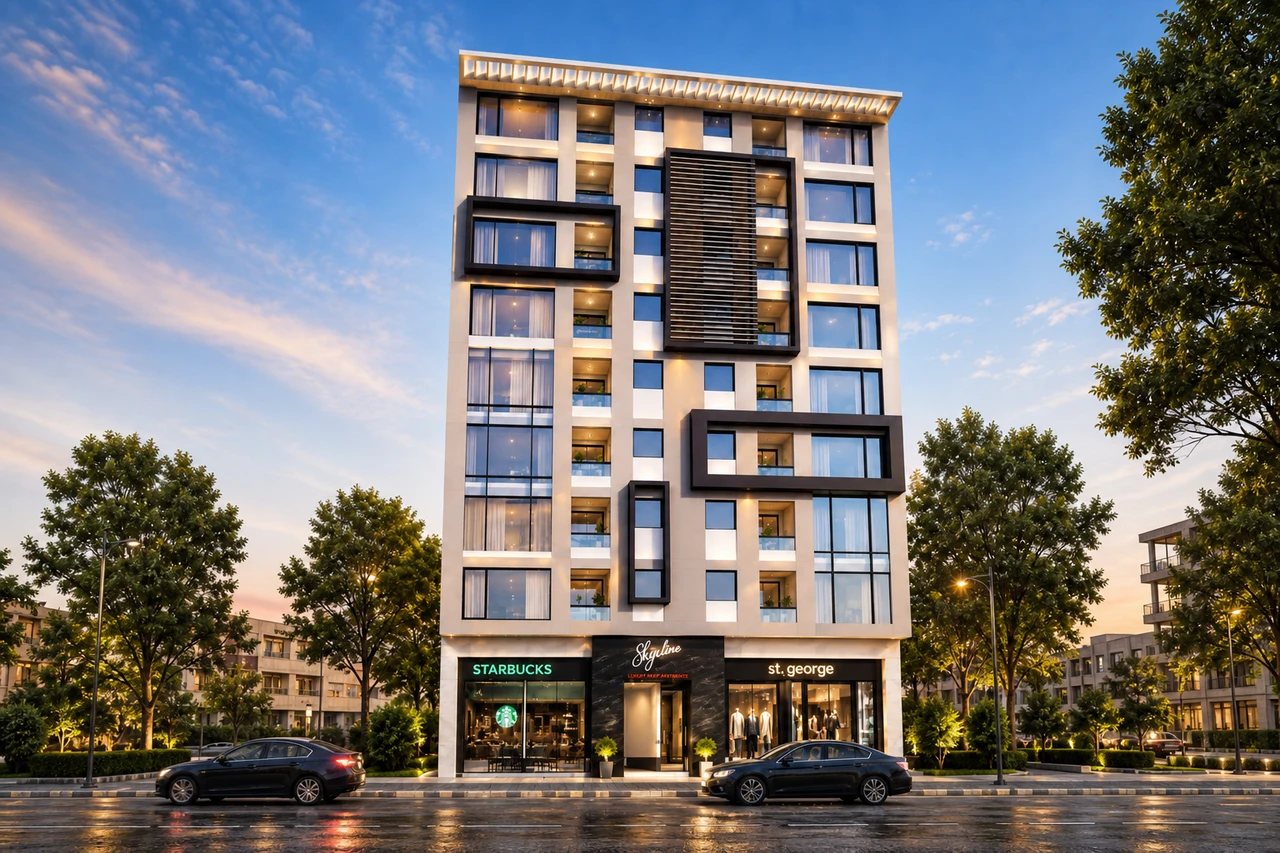
The Ministry of Land, Infrastructure, Transport and Tourism (MLIT) has mandated that all new residential and commercial structures in Japan comply with updated Energy Conservation Standards by 2025. In Aichi Prefecture, this has catalyzed a rapid shift away from uninsulated non-thermal aluminum frames to multi-cavity thermal break sash profiles paired with Low-E argon triple glazing.
Faced with an aging construction workforce across the Chubu region, general contractors in Nagoya (such as Kajima, Takenaka, and Obayashi site branches) increasingly demand factory-assembled, unitized sash cassettes. Our manufacturing line delivers pre-gasketed, CNC-punched profile kits that drastically cut jobsite installation man-hours.
Contemporary commercial interiors in Sakae and Hoshigaoka heavily feature natural wood elements. However, Japan's high summer humidity makes solid wooden window exteriors prone to rotting. Extruded aluminum-clad timber sashes solve this duality—providing zero-maintenance alloy protection on the street facade and warm architectural wood finishes inside.
Comparative matrix evaluating surface performance under local environmental stress factors in Aichi Prefecture.
| Finish Technology | Film Thickness | Salt Spray Resistance | UV Resistance | Primary Application in Nagoya |
|---|---|---|---|---|
| Architectural Anodizing | 15 – 25 Microns | 3,000+ Hours (ASTM B117) | Grade 5 (Superior) | Nagoya Port coastal structures, high-rise curtain walls, industrial facilities. |
| Super Durable Powder Coating | 60 – 80 Microns | 2,000+ Hours | AAMA 2604 / Qualicoat Class 2 | Sakae commercial shopfronts, custom RAL color-matched office facades. |
| Wood-Grain Sublimation | 70 – 90 Microns | 1,500+ Hours | AAMA 2603 Compliant | Suburban villas, residential luxury apartments, hospitality interiors. |
| Fluoropolymer PVDF Coating | 30 – 40 Microns | 4,000+ Hours | AAMA 2605 (Maximum) | Monumental civic towers, Meieki station district landmarks exposed to extreme weathering. |
Direct technical answers for architectural specifiers, import agencies, and facade contractors sourcing aluminium sash profiles in Japan.
Yes. Our architectural sash extrusions are engineered to meet or exceed JIS A 4706 parameters. We provide full third-party laboratory test documentation covering wind pressure resistance (S-1 to S-6 grades), air-tightness (A-1 to A-4 grades), water-tightness (W-1 to W-5 grades up to 500 Pa), and acoustic isolation (T-1 to T-3 grades).
For standard extruded profiles and stocked die sections, total production time is typically 14 to 20 days. Direct ocean container shipping from our export port to the Port of Nagoya takes approximately 8 to 12 days. Complete door-to-door transit, including Japanese customs clearance at Nagoya Port, usually spans 25 to 32 calendar days.
Absolutely. Our in-house die fabrication facility develops custom extrusion dies directly from your CAD files (DWG, DXF, STEP). Prior to full production, we perform finite element analysis (FEA) on wall stresses, produce 3D prototype samples, and supply first-article aluminum press samples for physical dimensional approval.
Our sashes incorporate dual-chamber polyamide PA66GF25 structural insulation strips reinforced with 25% glass fiber. This creates a mechanical thermal barrier that reduces frame conductivity down to U-values of 1.2 to 1.6 W/m²K, eliminating condensation build-up during sub-zero winter blasts ("Ibuki-oroshi") in the Nagoya plain.
For coastal building sites within 5 km of Ise Bay or Nagoya Port, we strongly advocate our 20–25 micron electro-sealed anodized finish or a Qualicoat Class 2 fluoropolymer (PVDF) powder coating over a chromate-free conversion layer. These specifications prevent chloride-induced pitting and maintain structural integrity against salt fog.
Our standard MOQ for custom die profiles is 500 kg per profile section. For standard catalog sash profiles in stocked anodic or powder finish colors, we offer flexible MOQ thresholds starting from 300 kg to accommodate specialized boutique projects and prototype installations in the Chubu region.
Every extrusion run is documented with chemical composition certificates (Spectrometer tested), tensile mechanical yield reports, anodizing film depth logs, and cross-hatch adhesion test verifications prior to container loading.
Our 6-meter 5-axis CNC machining centers execute high-speed milling, corner notched joinery, lock-housing cutouts, and drainage weep-hole routing with sub-millimeter precision for seamless jobsite assembly.
Sashes and extrusions are individually wrapped with anti-scratch protective film, interleaved with shock-absorbing foam, and packaged in fully enclosed, steel-strapped wooden crates to guarantee pristine arrival at Nagoya Port.