Precision-extruded 6063-T6 & 6061-T6 profiles, wall angles, structural brackets, and specialized architectural components engineered for heavy pedestrian traffic and coastal marine exposure.
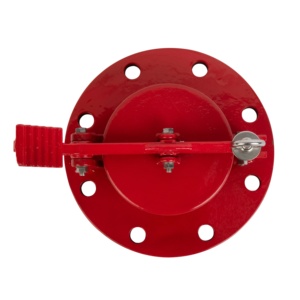
Precision-sealed heavy-duty inspection hatch designed for access ports, railing structural anchoring bases, and marine tank sampling enclosures requiring tight atmospheric seals.
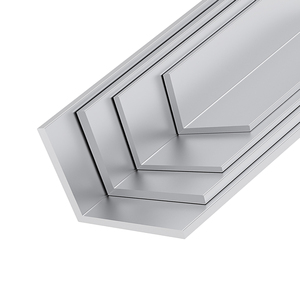
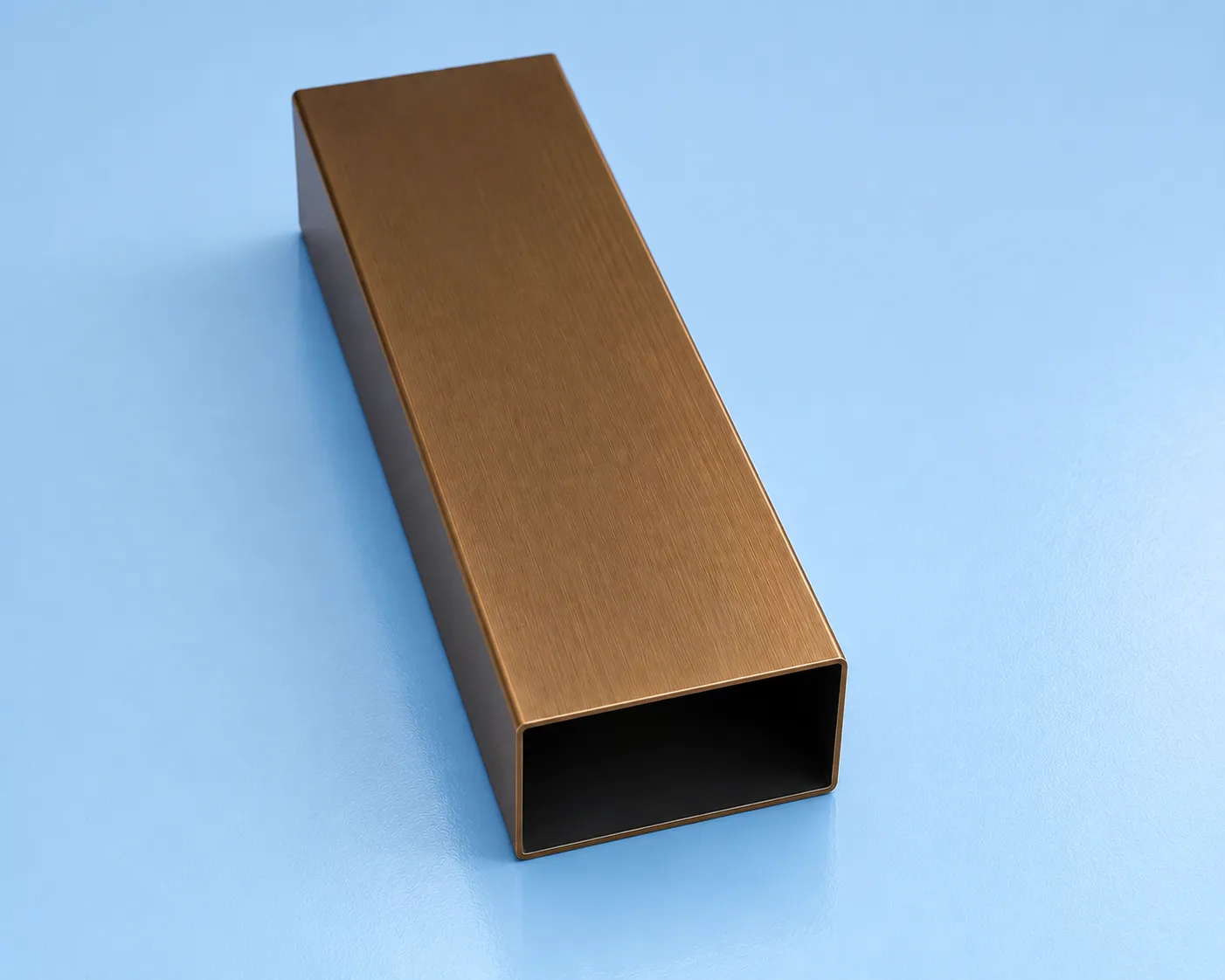
High-tensile structural L-angle corner extrusions engineered for glass balustrade shoe alignment, edge protection, and facade architectural trims.
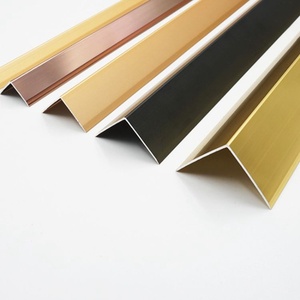
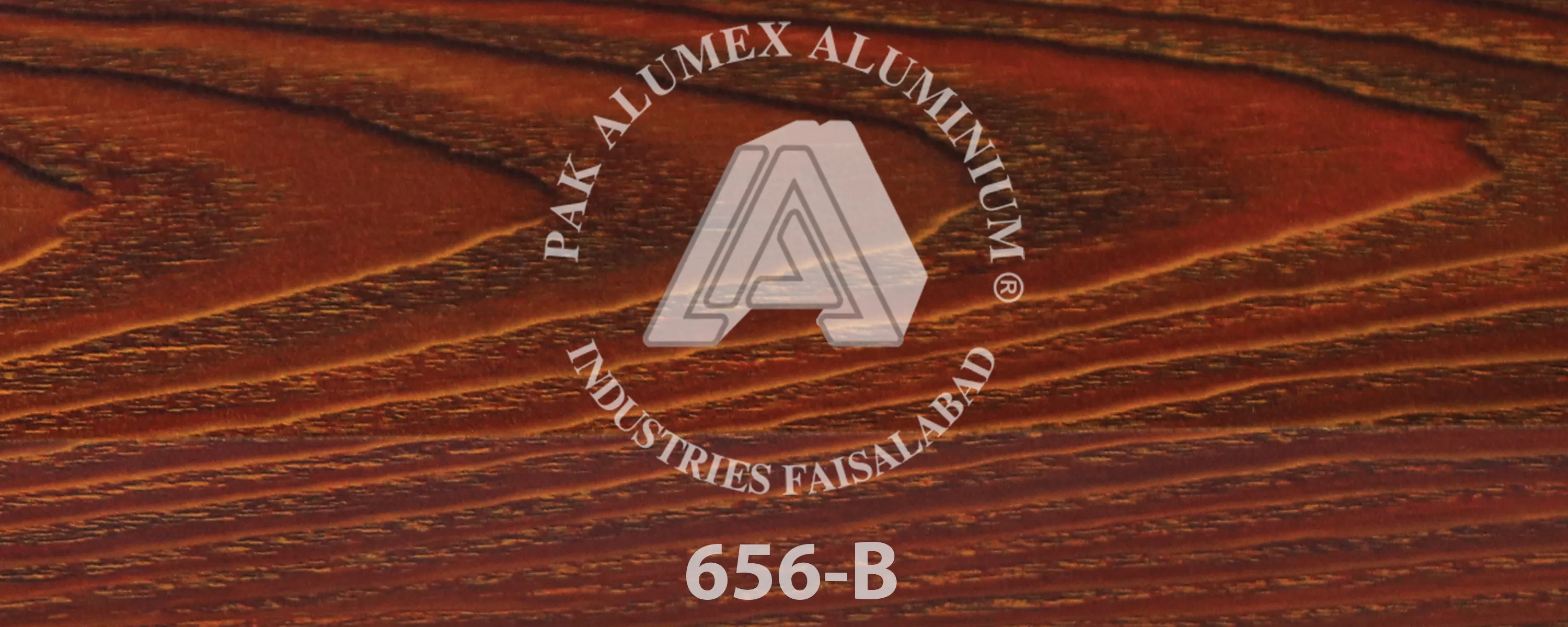
Architectural timber-sublimation finish aluminium rails combining the aesthetic warmth of hardwood with zero-maintenance, non-combustible structural strength.
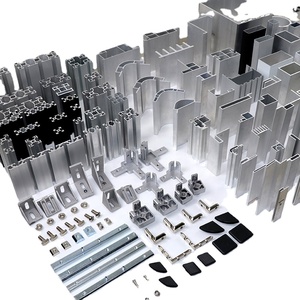
Custom-milled structural angle brackets designed for heavy load distribution in commercial balconies, high-rise staircases, and curtain wall connections.
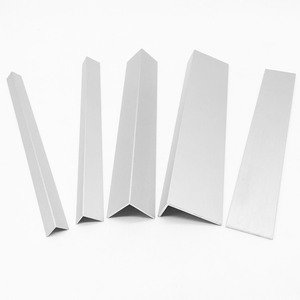
Fluorocarbon PVDF powder-coated wall angles designed for exterior cladding interfaces, balustrade handrail wall receivers, and decorative joints.
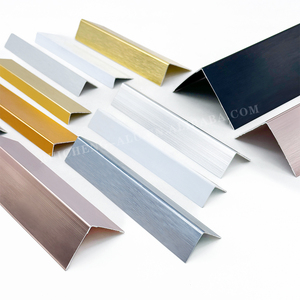
Precision punched and processed aluminium corner protection extrusions used in high-traffic Singapore MRT stations, hospitals, and commercial complexes.
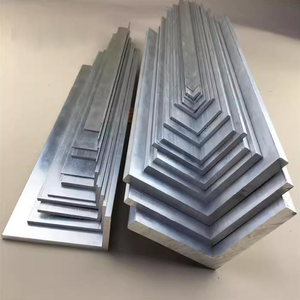
Specialized marine alloy structural angle components tested to withstand C2B coastal atmospheric salinity along Sentosa and Singapore Port developments.
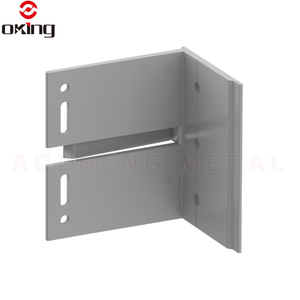
Structural tie-back angle brackets engineered for high wind load deflection resistance in high-rise condominium balconies and commercial curtain walls.
Singapore’s tropical urban environment presents a unique intersection of stringent building regulatory codes and aggressive environmental factors. As a global hub for high-density vertical living and state-of-the-art commercial infrastructure, the demand for high-performance extruded aluminium railing systems has grown exponentially. Overseas structural engineers, facade consultants, and main contractors (A1 and A2 grade under BCA CW01) face strict engineering tolerances specified by the Building and Construction Authority (BCA).
When procuring structural aluminium railing profiles from Chinese manufacturing facilities, Singaporean specifiers prioritize compliance with Singapore Standard SS 641: Code of Practice for Handrails and Balustrades alongside SS EN 1991 (Eurocode 1: Actions on Structures). Structural railings must withstand substantial horizontal characteristic loads (ranging from 0.74 kN/m for domestic balconies to upwards of 3.0 kN/m for crowded commercial plazas and transit hubs like Changi Airport or MRT interchanges).
The Singaporean architectural metalwork market is undergoing a major evolution driven by prefabrication mandates, safety regulations, and environmental sustainability goals:
Design for Manufacture and Assembly (DfMA) is mandated across public and private sector projects. Chinese factories now produce fully pre-machined, drill-tapped, and modular aluminium railing cassettes that snap together on-site with zero welding.
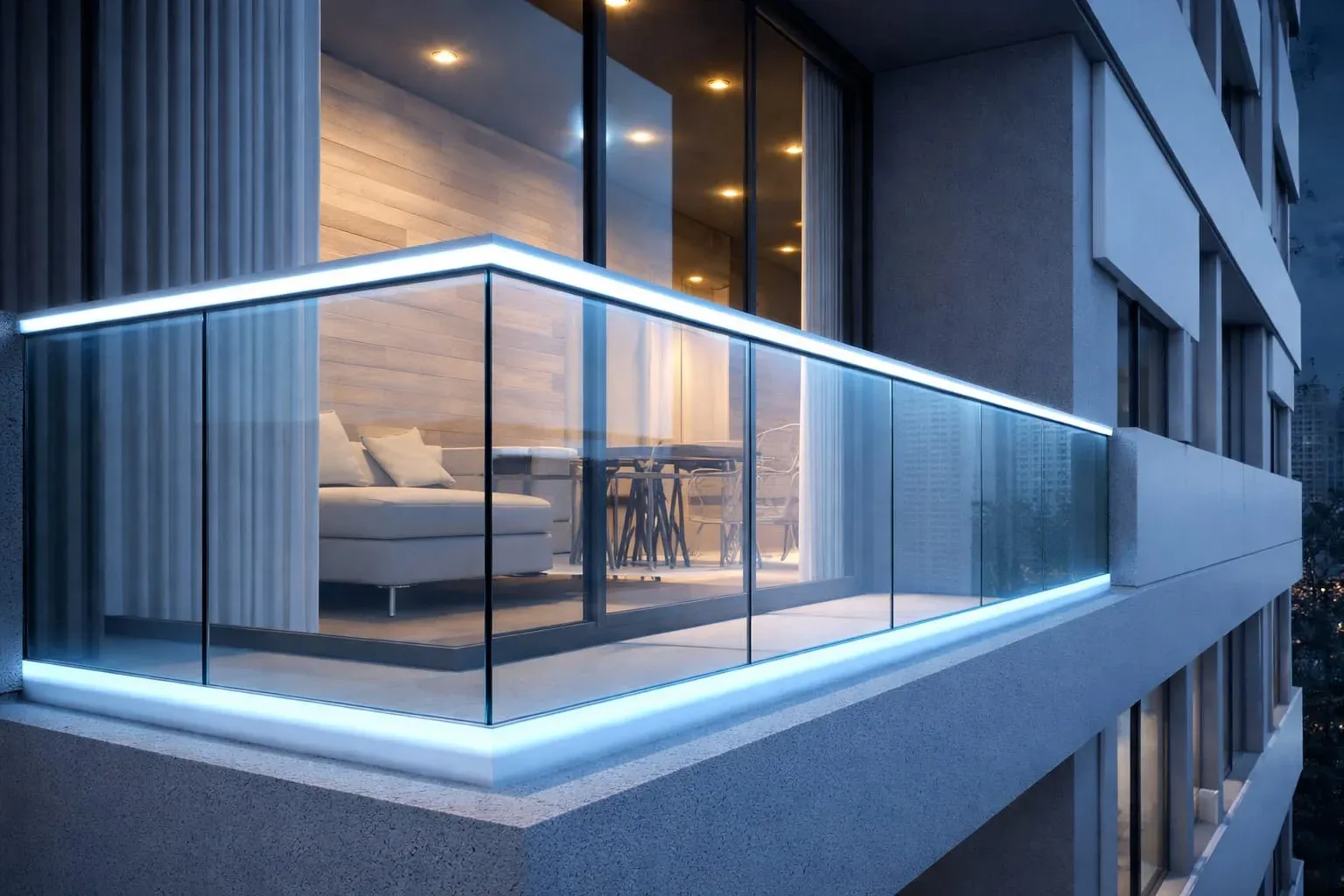
Modern architectural visual trends favor uninterrupted sky view angles. Extruded heavy-duty aluminium bottom U-channels (6061-T6 alloy) supporting 15mm to 21.52mm SGP laminated tempered glass have replaced traditional post-and-spigot systems in luxury condos.
Under BCA’s Green Mark Scheme, contractors receive additional environmental scoring points when procuring aluminium produced using renewable hydropower billet or certified pre-consumer/post-consumer recycled scrap content (>75%).
Selecting the correct extrusion alloy directly impacts structural safety sign-off by a Singapore Qualified Person (QP) or Professional Engineer (PE):
| Alloy & Temper | Tensile Strength (MPa) | Yield Strength (MPa) | Corrosion Resistance | Primary Singapore Application |
|---|---|---|---|---|
| 6063-T5 | ≥ 175 | ≥ 130 | Excellent | Internal handrails, decorative wall trims, partition frames |
| 6063-T6 | ≥ 205 | ≥ 180 | Excellent | Standard balcony balustrades, window frames, louver louvres |
| 6061-T6 | ≥ 290 | ≥ 240 | Very Good | Structural glass base channels, high wind load tie-back brackets |
| 6005A-T6 | ≥ 270 | ≥ 225 | Very Good | Heavy pedestrian footbridge railings, MRT platform edge structures |
As leading Chinese extrusion manufacturers catering to the Southeast Asian market, our facilities bridge the gap between heavy industrial capacity and refined architectural customization. By maintaining vertical integration—from raw primary ingot melting, extrusion matrix design, CNC fabrication, to specialized surface finishing—we offer unparalleled value to Singaporean procurement teams.
Answers to common structural, regulatory, and logistics questions submitted by Singapore facade contractors, quantity surveyors, and project engineers.
Our structural railing extrusions are designed to meet or exceed SS 641 and Eurocode 1 (SS EN 1991-1-1) requirements. We supply finite element analysis (FEA) reports and physical load testing certificates proving ultimate tensile strength, yield strength, and deflection limits (< L/175 or 15mm max deflection under design load) under local Professional Engineer (PE) review guidelines.
For installations within 3km of Singapore's coastline, we recommend either Anodized Grade AA25 (minimum 25 microns oxide film thickness) or PVDF Fluorocarbon 3-coat powder spraying (minimum 60–80 microns dry film thickness). Both finishes undergo 3,000-hour neutral salt spray (NSS) corrosion testing to prevent surface chalking and blistering.
Standard die fabrication and sample sign-off takes 7–10 days. Mass extrusion and surface finishing require 15–20 days depending on order tonnage. Ocean transit time from Shenzhen/Guangzhou or Ningbo ports directly to Singapore is approximately 5 to 7 days, resulting in a total procurement cycle of under 35 days.
Yes. Our CNC machining center provides 5-axis cutting, precision milling, corner miter cutting, mounting hole punching, and press-fitting of stainless steel threaded inserts. Complete modular balustrade kits are bundled with protective poly-film interleaving, packaged in reinforced export wooden cases, and pre-labeled per floor plan drawing codes.
Under the ACFTA agreement, declaring Form E grants 0% import customs tariff duty on aluminium extrusions imported into Singapore (HS Code 7604 / 7610). Import Goods and Services Tax (GST) remains applicable according to IRAS guidelines, but total landed procurement costs are reduced by up to 15% compared to non-preferential origin imports.
Connect directly with our senior facade engineering team. Send DWG sections, load requirements, or tender specification documents for immediate review and competitive direct-factory pricing.