Directly sourced from leading Chinese precision manufacturing lines. Fully customizable to meet Mexico NOM, ASTM, and coastal weather specifications.
Mexico's commercial real estate boom—driven by the unprecedented expansion of nearshoring industrial hubs in Northern states like Nuevo León, Baja California, and Coahuila, along with luxury resort developments in the Riviera Maya and Los Cabos—has generated an urgent demand for high-performance architectural glazing systems. To achieve structural integrity, seismic safety, and stringent thermal resistance without ballooning construction budgets, tier-one Mexican developers and EPC contractors are increasingly sourcing directly from specialized Chinese glazing and extrusion factories.
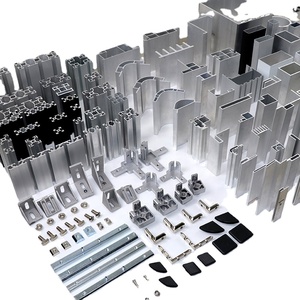
China's premier glazing factories operate integrated manufacturing ecosystems housing state-of-the-art aluminum extrusion presses (ranging from 800T to 10,000T), automated anodizing, PVDF fluorocarbon spraying lines, and structural unitized facade assembly lines. By partnering with China’s leading architectural profile manufacturers, Mexican importers gain access to bespoke structural designs engineered specifically to withstand seismic activity in Mexico City (CDMX Zone III), hurricane-force winds in coastal regions, and extreme solar heat gain in desert climates.
This whitepaper establishes the operational, technical, and compliance frameworks required to successfully specify, import, and install Chinese architectural glazing systems across Mexico's diverse geographical zones.
Understanding Mexico’s distinct microclimates and regional engineering codes is critical when selecting glazing and structural aluminum systems. Chinese factories customize profile wall thickness, glass build-ups, thermal breaks, and surface finishes for four primary Mexican project scenarios:
Engineering Challenge: Extreme inter-story drift ratios and soft-soil resonance in Mexico City’s Zone III (Valley of Mexico basin sediment).
Glazing Solution: Unitized curtain wall systems with split-mullion sliding expansion joints and structural silicone sealant (SSG) tested to ASTM E330/E331. Custom high-ductility 6063-T6 aluminum alloys absorb dynamic sway without glass frame binding.
Engineering Challenge: C5-M high-salinity corrosion, wind-driven salt spray, and Category 5 hurricane wind loads (> 250 km/h).
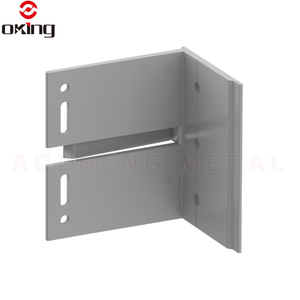
Glazing Solution: Architectural extrusions treated with 3-coat/4-coat PVDF Kynar 500 coating (> 40 microns) or Class I Anodizing (> 18 microns). SGP laminated impact glass combined with heavy-wall 6061-T6 aluminum dry-hanging cladding brackets.
Engineering Challenge: Intense solar irradiance, scorching summer temperatures, and mandatory compliance with NOM-008-ENER and NOM-018-ENER energy efficiency standards.
Glazing Solution: Thermally broken aluminum profiles incorporating PA66GF25 (25% fiberglass reinforced polyamide) thermal barriers, paired with Low-E argon-filled double/triple insulated glass units (IGU) yielding SHGC < 0.22 and U-Value < 1.4 W/m²K.
The following performance matrix outlines typical engineering parameters verified by Chinese export-quality factories for Mexican infrastructure projects:
| System Classification | Primary Alloy / Temper | Wind Load Resistance | Thermal Performance (U-Value) | Seismic Drift Capacity | Recommended Mexican Region |
|---|---|---|---|---|---|
| Unitized Cassette Curtain Wall | 6063-T6 / 6061-T6 | Up to 5.0 kPa (ASTM E330) | 1.2 - 1.6 W/m²K | ± 2.5% Story Height | Mexico City (CDMX), Monterrey High-Rises |
| Stick Frame Double Glazed Wall | 6063-T5 / T6 | Up to 3.5 kPa | 1.4 - 1.8 W/m²K | ± 1.5% Story Height | Guadalajara, Querétaro, Puebla Commercial |
| Hurricane-Impact Resort Glazing | 6061-T6 Heavy Profile | Up to 6.0 kPa (TAS 201/202/203) | 1.6 - 2.0 W/m²K | ± 2.0% Story Height | Cancún, Riviera Maya, Los Cabos Coastal |
| Thermally Broken Window / Door Profile | 6063-T5 + PA66GF25 | Up to 2.5 kPa | 1.0 - 1.4 W/m²K | Standard Expansion Joints | Industrial Nearshoring Hubs (Tijuana, Juárez) |
| Dry Hanging Cladding Support Angle | 6063-T6 / 6005A-T6 | Structural Load Rated | N/A (Substructure) | Dynamic Anchor Points | Nationwide Retail Plazas & Plazas Comerciales |
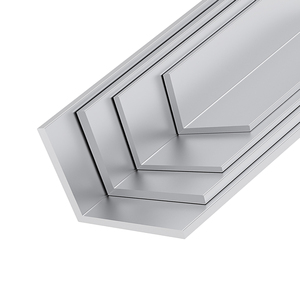
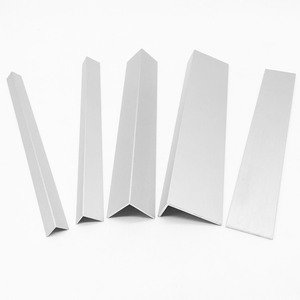
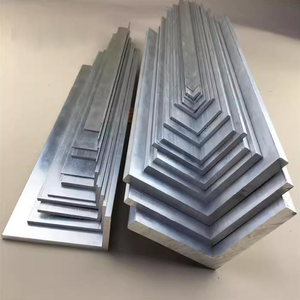
With global manufacturing shifting closer to North America, Mexico’s border states are experiencing unprecedented factory construction. Speed-to-market is crucial. Pre-engineered unitized aluminum facades and standardized L-angle structural trims imported from China reduce installation schedules by up to 40% compared to traditional on-site masonry work.
Institutional investors in Mexico City and Monterrey now require EDGE or LEED certifications for Class-A office buildings. Incorporating thermally broken aluminum frames with double-silver Low-E double glazing significantly reduces HVAC power consumption, meeting CFE power quota constraints and earning carbon offset credits.
Luxury residential and high-end boutique hotels in Punta Mita and Tulum favor ultra-slim structural glazing systems. Chinese extruders excel in producing ultra-thin wall profiles with complex internal stiffening ribs, allowing maximum glass floor-to-ceiling heights with minimal visible frame structure.
Navigating international supply chains requires a partner with proven manufacturing depth and stringent quality assurance. Our Chinese factory group provides comprehensive benefits tailored to Mexican procurement directors:
In-house CAD/CAM tooling centers capable of engineering complex custom dies within 7 to 10 days. We turn architectural DWG/DXF drawings into physical 6063/6061 extrusions with wall thickness tolerances exceeding GB/T 5237 and ASTM B221 specs.
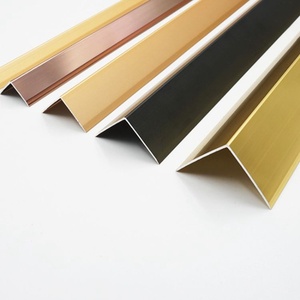
Beyond extrusion, our factories offer multi-axis CNC cutting, precision bending, robotic welding, stamping, and punching. This ensures ready-to-install corner brackets, curtain wall transoms, and pre-drilled wall angle trims ship directly to your job site.
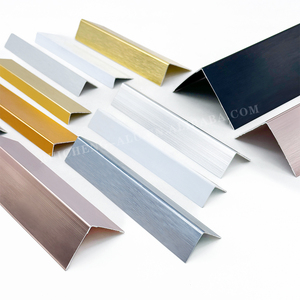
Vertical powder coating lines (Qualicoat certified), continuous anodizing tanks, and realistic wood-grain sublimation lines. Finished profiles undergo rigorous quality checks for film build, cross-hatch adhesion, impact resistance, and salt spray endurance.
Connect directly with China's leading engineering team serving the Mexican market. Get customized CAD section reviews, structural calculations, and competitive FOB/CIF price quotes for your project within 24 hours.
Inquire Now