

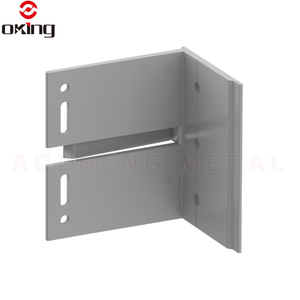
Aluminium Alloy Angle Bracket For Curtain Wall Dry Hanging Support System
Heavy-duty structural mounting bracket designed for dry hanging stone, glass, and unitized aluminum panel cladding systems under high wind loads.
Get CatalogExplore our high-performance OEM aluminum extrusions, corner support brackets, and structural glazing components manufactured to international ASTM, BS EN, and NSCP standards.
Heavy-duty structural mounting bracket designed for dry hanging stone, glass, and unitized aluminum panel cladding systems under high wind loads.
Get Catalog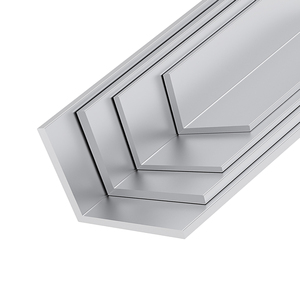
Precision-extruded L-shape structural corner profiles providing seamless perimeter sealing and structural framing alignment for double-glazed facades.
Get Catalog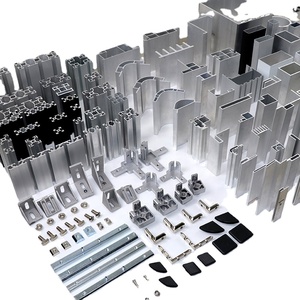
High-strength 6061 alloy extrusions custom-engineered for structural facade rails, mullion reinforcement, and wood-grain architectural finishes.
Get Catalog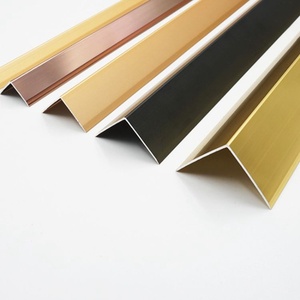
Custom tolerance-controlled structural angles formulated for heavy thermal break curtain wall frameworks and seismic drift joints.
Get Catalog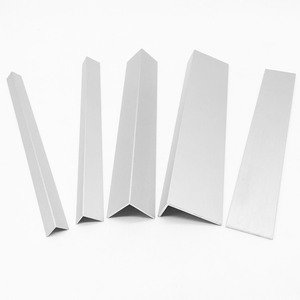
UV-resistant, weather-durable powder-coated architectural edge trims provided with custom cutting, bending, and welding processing options.
Get Catalog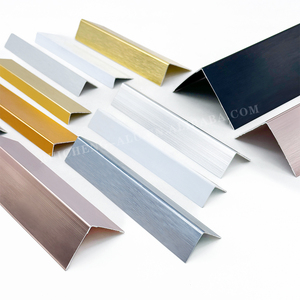
Impact-resistant edge protection profiles engineered with CNC punching, bending, and precision mitering for clean architectural corners.
Get Catalog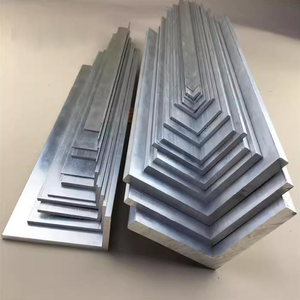
Heavy-section anti-corrosion structural aluminum angles designed specifically for exposed marine, coastal tower, and dockside curtain wall frames.
Get Catalog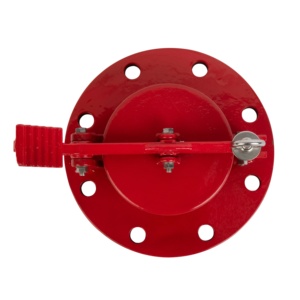
Leak-proof, pressure-equalized specialty sealing profile assemblies used in custom atmospheric pressure control ports for double-glazed facades.
Get CatalogAn in-depth structural, thermal, and metallurgical analysis for architectural specifiers, facade consultants, and general contractors operating across the Philippine archipelago.
The Philippine archipelago is situated along the Western Pacific typhoon belt, exposing commercial high-rises and residential towers to severe meteorological conditions. Under the National Structural Code of the Philippines (NSCP 2015), facade systems installed in Metro Manila, Clark, and coastal cities like Tacloban must withstand ultimate design wind pressures exceeding 3.0 to 4.5 kPa, corresponding to wind velocities above 300 km/h (Category 5 Super Typhoons).
Our custom OEM double-glazed curtain wall systems are calculated using the basic wind velocity formula:
qz = 0.613 × Kz × Kzt × Kd × V²
To ensure zero structural yield or frame distortion under these extreme cyclic pressures, our factory extrudes high-tensile 6063-T6 and 6061-T6 aluminum alloys with a minimum yield strength of fy ≥ 170 MPa. Transom and mullion profiles feature moment of inertia values tailored to span lengths up to 4.2 meters between floor slabs, guaranteeing frame deflection ratios strictly within L/175 or 20mm limits under peak lateral pressure.
Located on the Pacific Ring of Fire, Philippine structures face severe seismic hazard levels (Zone 4). Our unitized double-glazed curtain wall cassettes utilize dynamic stack joint connections with flexible EPDM rubber gaskets and sliding cleat anchors, allowing inter-story drift displacement up to ±2.0% of story height without structural glass binding or glass rupture.
Monsoon downpours accompanied by gale-force winds frequently cause water ingress in standard windows. Our double-glazed systems incorporate pressure-equalized rain-screen cavities. Drainage slots located at transom joints vent water outwards immediately, passing ASTM E331 water penetration testing at test pressures above 750 Pa.
Electricity tariffs in the Philippines are among the highest in Southeast Asia (averaging $0.18 to $0.24 per kWh). High-rise commercial buildings in Manila spend over 55% of their total utility budget on HVAC air conditioning. Monolithic single-pane glass allows solar thermal energy to freely penetrate interior spaces, driving up cooling loads dramatically.
Our OEM double-glazed curtain walls solve this thermal barrier challenge by combining polyamide thermal break strips (PA66 GF25) crimped between inner and outer aluminum extruded sections with high-performance Insulated Glass Units (IGUs).
| Glass & Frame Configuration | U-Value (W/m²K) | Solar Heat Gain (SHGC) | Sound Transmission (STC) | PH HVAC Cooling Load Reduction |
|---|---|---|---|---|
| Standard Single 6mm Clear Glass (Non-Thermal) | 5.8 W/m²K | 0.82 | 28 dB | Baseline (0%) |
| 6mm Tinted Single Glass (Standard Frame) | 5.2 W/m²K | 0.60 | 30 dB | 12% Savings |
| Double-Glazed 6mm Low-E + 12A + 6mm Clear (Thermal Break) | 1.6 W/m²K | 0.32 | 39 dB | 42% Savings |
| Double-Glazed Low-E + 12 Argon + 6mm Triple Silver (Polyamide Frame) | 1.3 W/m²K | 0.24 | 42 dB | 54% Savings |
By implementing double-glazed Low-E units filled with 90% argon gas, the Solar Heat Gain Coefficient (SHGC) is reduced to 0.28–0.32, filtering out infrared radiation while maintaining high Visible Light Transmittance (VLT ≥ 55%). This engineered thermal resistance enables property developers to meet the stringent requirements of the Philippine Green Building Code, achieving BERDE (Building for Ecologically Responsive Design Excellence) and LEED certification.
From high-density business districts in Bonifacio Global City to high-salinity island resorts, our custom OEM curtain wall factories adapt aluminum framing to diverse environmental demands.
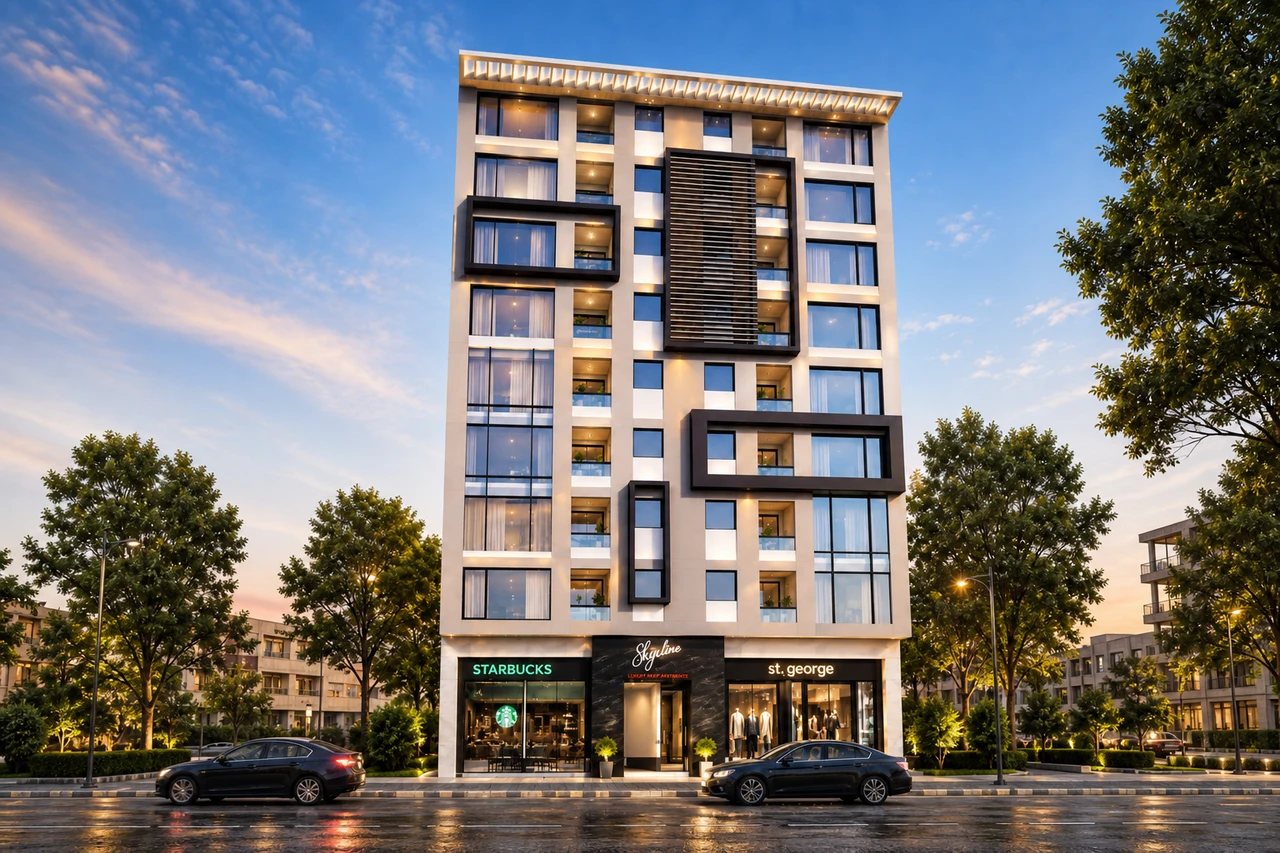
Unitized double-glazed curtain wall cassettes engineered for rapid tower crane installation. Factory-sealed under cleanroom conditions, these modules eliminate site scaffolding, reduce labor bottlenecks, and provide high acoustic attenuation against urban traffic noise (STC ≥ 40 dB).
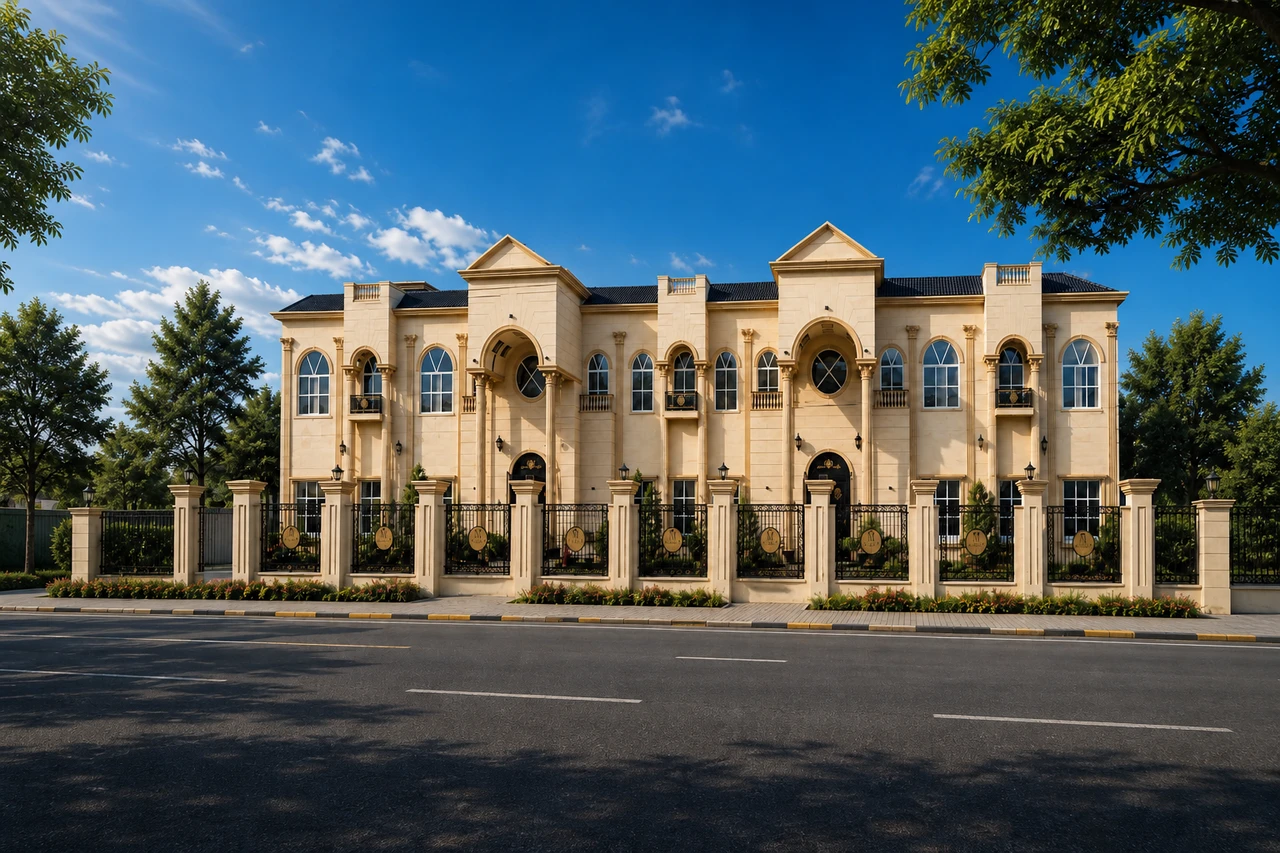
Marine-grade 20–25 µm anodized and fluorocarbon (PVDF) powder-coated curtain walls designed to resist high airborne salinity, humidity, and salt-fog pitting. Pre-tested with 3,000 hours of neutral salt spray (ASTM B117) to prevent surface degradation along shoreline developments.
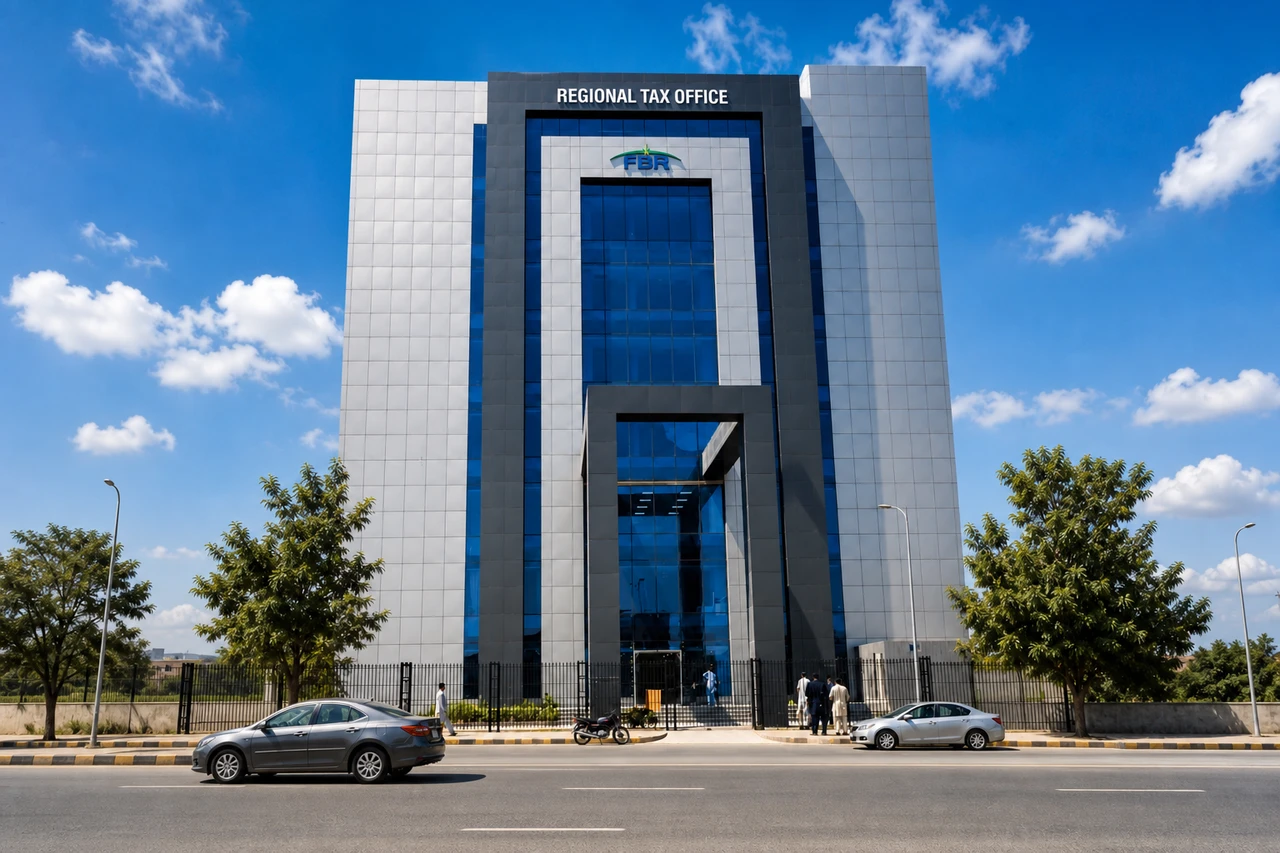
Heavy-mullion stick curtain walls and double-glazed storefronts formulated for long spans and large open floor plans in industrial park headquarters. Engineered with continuous EPDM double gaskets for maximum wind-driven rain isolation.
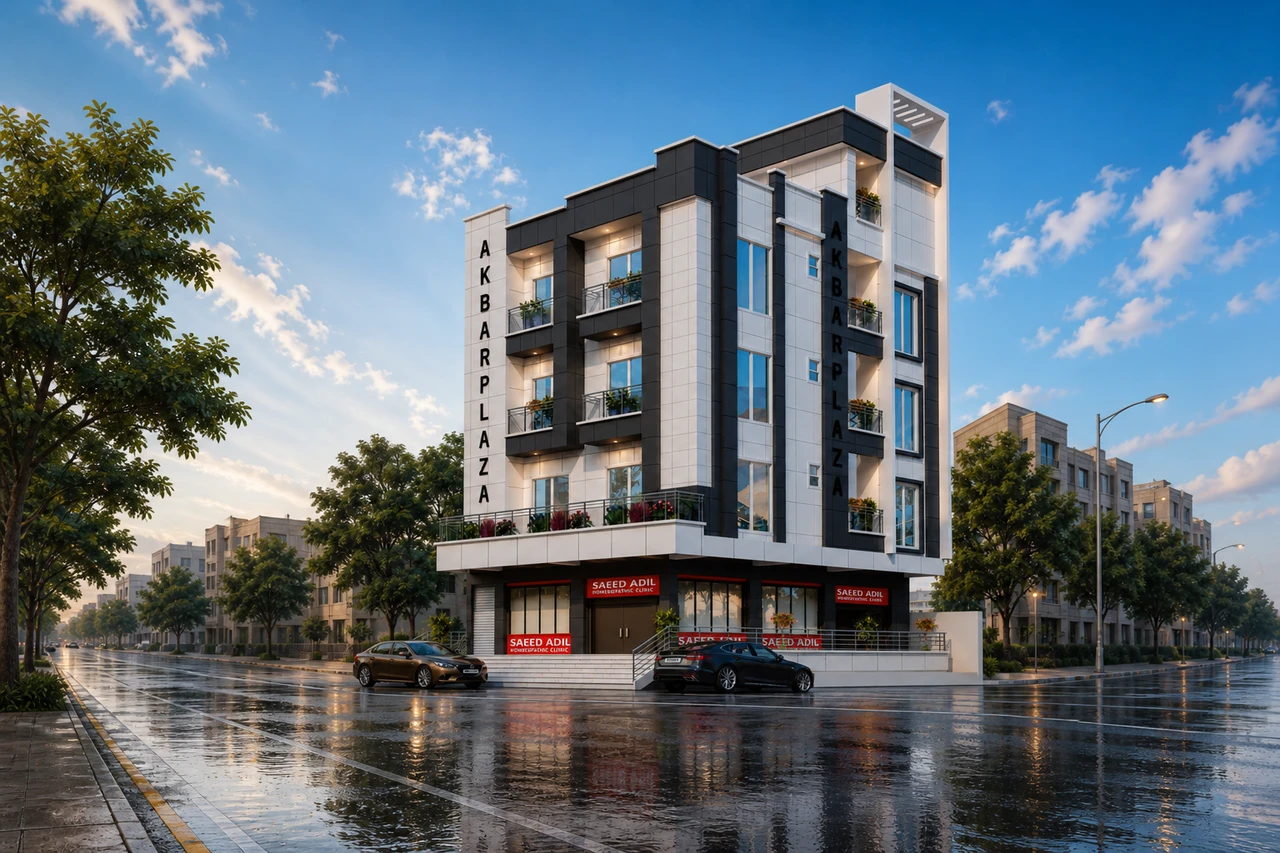
Thermally broken aluminum framing paired with integrated solar shading fins (louvers). Designed to balance natural daylight penetration while minimizing direct tropical solar heat gain on east-west facing elevations.
Key technological and regulatory shifts driving aluminum profile manufacturing and curtain wall procurement across the Philippines.
With accelerating construction timelines in Metro Manila and high urban site constraints, general contractors are shifting rapidly toward factory-assembled unitized curtain wall cassettes. Pre-assembled unitized systems reduce installation time by up to 50% compared to traditional field-glazed stick systems.
The combination of tropical UV exposure (UV Index 11+) and intense humidity causes standard paint coatings to chalk and peel within a few years. Philippine developers now mandate Qualicoat Class 2 / AAMA 2604 powder coatings or AAMA 611 anodizing finishes with guaranteed film thicknesses of 60–80 µm.
Commercial plazas and luxury residential developments are increasingly incorporating organic timber aesthetics without the maintenance drawbacks of natural wood in tropical moisture. Sublimated aluminum profiles deliver natural oak and teak wood aesthetics resistant to termites, rot, and flame propagation.
As a specialized OEM/ODM architectural aluminum manufacturer, our integrated extrusion, anodizing, powder coating, and custom fabrication facility provides complete end-to-end quality control from raw aluminum billet to export-ready site delivery.
Our engineering matrix designs custom extrusion dies directly from DWG/DXF drawings within 10 to 15 days, providing first-article physical samples for structural review prior to mass extrusion.
Utilizing high-purity primary aluminum ingots, our foundry precisely regulates magnesium and silicon ratios for 6063 and 6061 alloys, heat-treating profiles in computer-controlled ageing ovens to reach exact T5 or T6 hardness tempers.
Eco-friendly chromate-free conversion lines ensure superior surface keying for powders supplied by leading global partners (AkzoNobel, Jotun, Pulver), resulting in impact and corrosion resistance.
Every profile bundle is wrapped in protective PE film, interleaved with non-abrasive paper, strapped, and crated in fumigated solid wooden boxes to withstand sea freight transit to Manila, Subic, or Cebu ports.
Direct technical guidance on ordering, custom die fabrication, structural standards compliance, and ocean shipping logistics to the Philippines.
Our structural engineering team evaluates your specific building elevation, exposure category, and geographic zone in the Philippines. We calculate mullion depth and wall thickness requirements using structural calculations that comply with NSCP 2015 and ASTM E330 standards. We specify 6063-T6 or 6061-T6 alloys for critical structural members to withstand dynamic wind pressures upwards of 4.0 kPa (wind speeds above 300 km/h).
Die creation and sample approval typically take 10–14 days. Upon sample sign-off, bulk extrusion and surface finishing (anodizing or powder coating) require approximately 15–20 days depending on order volume. Transit times via direct container vessels from our loading port to Manila South/North Harbor or Cebu International Port average 7 to 12 days. In total, clients usually receive completed orders within 35 to 45 days from drawing confirmation.
Yes, absolutely. As a dedicated OEM/ODM factory, we accept DWG, DXF, or STEP CAD files directly from local facade consultants and architects. We regularly manufacture polyamide (PA66 GF25) thermally broken profile assemblies designed to hold double-glazed insulated glass units ranging from 20mm to 32mm total thickness (e.g., 6mm Low-E + 12mm Air/Argon + 6mm Clear).
For high-salinity marine environments, we strongly recommend Class 1 Architectural Anodizing (minimum 20–25 microns film thickness) or PVDF (Fluorocarbon) 3-coat spray finishes (minimum 40 microns) compliant with AAMA 2605 specifications. These surface treatments resist salt-spray pitting, atmospheric oxidation, and chemical degradation caused by marine aerosols.
Every shipment is accompanied by complete quality assurance documentation, including Mill Test Certificates (MTC) verifying chemical alloy composition and mechanical tensile properties (yield strength, ultimate strength, elongation), Coating Film Thickness Test Reports, Glass Impact/Thermal Test Certificates, Commercial Invoices, Packing Lists, Bill of Lading, and Certificate of Origin (Form E for tariff preference under ASEAN agreements).
In tropical climates like the Philippines, thermal energy constantly flows into air-conditioned interiors through conductive framing and uninsulated glass. Double-glazed Low-E units block up to 70% of infrared solar radiation while the polyamide thermal break prevents conductive heat transfer through the aluminum frame. This dramatically lowers indoor ambient temperatures, allowing commercial HVAC systems to run at lower power levels and reducing electricity bills by up to 40% annually.
Send us your facade elevations, profile cross-sections, or project bill of quantities. Our structural engineers will review your drawings and provide detailed profile weight schedules, alloy specifications, and competitive factory-direct pricing.