Engineered 6000-series structural profiles, sealed access hatches, and high-performance corner extrusions tailored for Canadian kitchen fabricators and commercial developers.
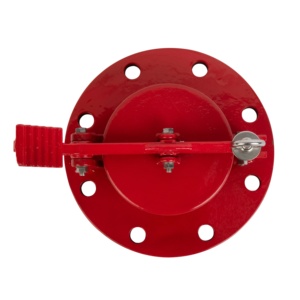
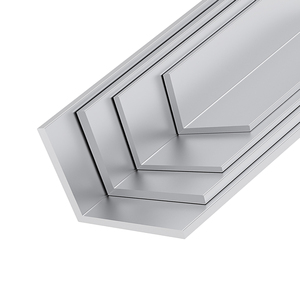
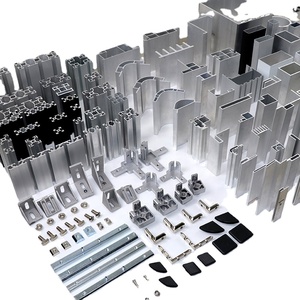
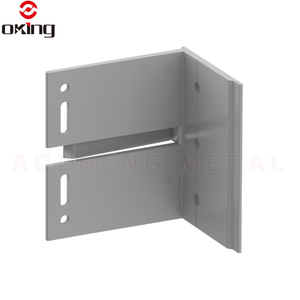
The Canadian kitchen cabinet market is undergoing a structural paradigm shift. Driven by rigorous updates to the National Building Code of Canada (NBC 2020), heightened focus on indoor air quality (IAQ), and the adoption of high-density multi-family housing standards across major metropolitan areas like Toronto, Vancouver, Montreal, and Calgary, traditional millwork materials are facing unprecedented operational limits.
For decades, medium-density fiberboard (MDF), particleboard, and plywood were the standard substrate for cabinet carcasses and door frames. However, Canada’s unique winter indoor microclimate—characterized by high indoor relative humidity trapped inside tightly sealed, highly insulated building envelopes—frequently causes moisture absorption, substrate swelling, edge-banding failure, and microbial growth. Furthermore, the commercial multi-residential sector demands strict adherence to non-combustible material guidelines, pushing architects, builders, and general contractors toward engineered structural aluminum frameworks and modular metal cabinetry.
Information Gain Insight: Unlike standard wood-composite cabinetry which degrades under indoor thermal cycling and micro-leak moisture, extruded 6000-series aluminum framing maintains absolute dimensional stability, zero volumetric expansion, and total non-combustibility under CAN/ULC-S102 testing protocols.
As a specialized direct-factory manufacturer and supplier dedicated to the Canadian market, our engineering facility produces architectural-grade extrusion profiles, thermal-break cabinet frames, micro-anodized door edging, and complete custom OEM cabinetry systems. By controlling the entire manufacturing chain—from primary billet homogenizing to die design, precision CNC machining, Qualicoat-certified powder coating, and thermal sublimated wood-grain finishing—we provide Canadian buyers with a direct factory advantage that eliminates intermediary markups while delivering uncompromised quality control.
When specifying kitchen cabinetry for multi-family towers, commercial catering facilities, or luxury residential developments in Canada, performance metrics must be evaluated over a 25-to-30-year life cycle:
| Performance Indicator | Engineered Aluminum Framework | Standard Marine Plywood | Commercial MDF / Particleboard |
|---|---|---|---|
| Moisture Expansion (24h immersion) | 0.00% (Impervious) | 4.5% - 8.0% (Delamination risk) | 12.0% - 25.0% (Permanent swelling) |
| Fire Safety Rating (CAN/ULC-S102) | Class A Non-Combustible | Class C Combustible | Class C Combustible |
| VOC & Formaldehyde Emissions | Zero (0.00 mg/m³) | Low to Moderate (E1/CARB Phase 2) | Requires Sealing (Off-gassing risk) |
| Structural Strength-to-Weight Ratio | Ultra-High (6063-T6 Alloy) | Moderate | Low (Prone to screw pull-out) |
| Cold Climate Thermal Stability | Linear Coefficient Controlled | Hygroscopic Warp Risk | High Sag & Deformity Risk |
| Recyclability & Circularity | 100% Infinitely Recyclable | Downcycled / Landfill | Non-Recyclable (Resin Contaminated) |
From high-rise multi-residential developments in Vancouver to extreme-weather luxury chalets in Whistler and Muskoka, discover how our cabinet systems adapt to local regional demands.
Space optimization, rapid field assembly, and absolute fire safety are paramount in high-rise residential construction. Our knock-down (KD) modular aluminum cabinet frameworks ship flat-packed to minimize freight volume, assembling on-site with high-precision interlocking corner brackets. The lightweight design reduces structural dead loads on concrete floor slabs while offering zero VOC off-gassing for LEED v4 certified projects.
Outdoor living spaces in Canada endure extreme freeze-thaw cycles, sub-zero winters, and intense summer UV radiation. Traditional wood or PVC outdoor cabinets warp, crack, and fade within seasons. Our heavy-duty powder-coated aluminum cabinets feature integrated weather-strip gaskets, stainless steel hardware channels, and AAMA 2605 exterior coatings that withstand -40°C to +40°C thermal shifts without degradation.
Hospitals, commercial kitchens, care homes, and research labs require non-porous, steam-cleanable surfaces that comply with Health Canada sanitation guidelines. Our extruded aluminum carcass systems present smooth, gap-free surfaces that resist aggressive chemical disinfectants, steam washing, and heavy physical impacts while retaining mechanical alignment.
To maintain a strategic advantage in Canada, cabinet distributors, builders, and millwork shops must align with shifting regulatory and architectural preferences.
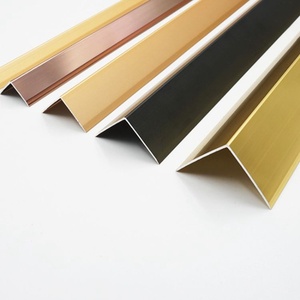
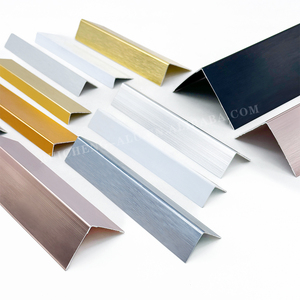
Canadian homeowners and interior designers increasingly favor clean, handleless kitchen profiles featuring integrated Gola channels, micro-border aluminum framed glass doors, and concealed hardware. Our factory supplies custom anodized matte black, champagne gold, and brushed dark bronze profile handles built directly into the cabinet carcass.
With indoor air pollution recognized as a critical health risk, Canadian green building standards prioritize non-emitting materials. Extruded aluminum eliminates the binders, glues, and resins present in engineered wood products, ensuring absolute zero formaldehyde emissions over the lifetime of the installation.
To combat rising skilled labor shortages across Canadian job sites, developers are turning to modular volumetric construction. Our pre-machined, CNC-punched aluminum cabinet sub-assemblies allow rapid jigged assembly in factory settings, drastically cutting site installation times.
Combining primary material processing, advanced tooling engineering, and rigorous export handling under one unified production management structure.
We operate an independent tool and die workshop capable of translating CAD/DWG sections into working extrusion dies within 10 to 14 business days. Whether you require bespoke profile geometry, integrated LED channel slots, or thermal-break polyamide crimping, our engineering team executes pre-production testing prior to full-scale extrusion runs.
Our automated vertical powder coating lines apply Qualicoat Class 1 and Class 2 exterior coatings with dry film builds calibrated precisely between 60 µm and 80 µm over chromate-free pre-treatment. For timber aesthetics, our Italian vacuum heat-sublimation line transfers deep-grain oak, walnut, and teak patterns with anti-scratch protective top layers.
Recognizing the rigors of ocean freight transit and cross-country Canadian rail transport, every shipment is packaged with blue protective film interleave, wrapped in moisture-proof woven poly, and cradled in fumigated, heavy-duty wooden crates or steel-reinforced pallets with corner protection guards.
Addressing essential questions regarding standards, trade compliance, lead times, and structural performance.
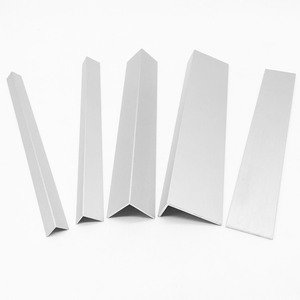
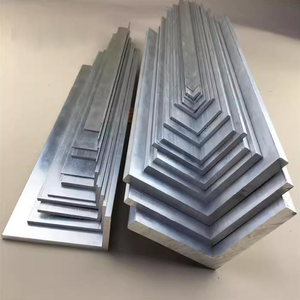
We primarily utilize 6063-T5 and 6063-T6 aluminum alloys for our kitchen cabinet structural profiles and door framing. 6063-T5 provides an optimal balance of smooth surface finish quality and precise extrudability for high-aesthetic trims and door frames. For heavy load-bearing wall brackets and commercial carcass framing, 6063-T6 or 6061-T6 is specified to deliver maximum yield strength and mechanical fastener retention.
We work directly with established Canadian customs brokers servicing major entry ports including Vancouver, Prince Rupert, Montreal, and Halifax. Our export documentation includes full HS Code classification (typically under HS 7604/7610 for aluminum extrusions and structures), commercial invoices, detailed packing lists, and Certificates of Origin. We offer flexible Incoterms including FOB, CIF, and DDP (Delivered Duty Paid) to streamline doorstep delivery to your warehouse.
Yes. Over 60% of our production for the North American market consists of custom OEM profile designs. Canadian client engineering teams can submit DWG/DXF drawings or physical samples. Our engineering office performs wall thickness, extrusion ratio, and tolerance reviews according to ANSI H35.2 / ASTM B221 specifications, supplying pre-production samples for client sign-off before commencing volume manufacturing.
For coastal installations in regions like British Columbia or the Atlantic provinces, we recommend our Architectural Anodizing (15 µm to 25 µm film thickness) or AAMA 2604/2605 compliant Fluoropolymer (PVDF) / High-Durability Powder Coating. These finishes undergo salt-spray chamber testing exceeding 2,000 to 3,000 hours without blistering, flaking, or chalking, ensuring total resistance against saline corrosion and ambient humidity.
Standard die development and sample approval require 12 to 15 days. Volume extrusion, finishing, and precision CNC fabrication take approximately 15 to 20 days depending on order quantity. Ocean transit times to Port of Vancouver average 14 to 18 days, while East Coast ports (Montreal/Toronto via rail bridge) take approximately 28 to 35 days. We also offer expedited LCL freight for urgent job-site top-ups.
Absolutely. Aluminum is intrinsically non-combustible under the National Building Code of Canada (NBC) and satisfies CAN/ULC-S102 testing standards for flame-spread and smoke development. This makes our structural cabinet systems ideal for high-rise residential corridors, multi-unit developments, senior living facilities, and commercial catering environments where combustible wood products are restricted.
Whether you are planning a multi-family project in Toronto, specifying an outdoor commercial venue in Vancouver, or seeking direct factory OEM cabinet hardware supply, our engineering team is ready to assist.
Get Catalog