Explore our comprehensive portfolio of precision-machined spider glazing components, heavy-duty stainless steel routels, and structural extrusion profiles tailored for high-wind and seismic architectural installations across Turkey.
The architectural landscape of Turkey—spanning the dense urban metropolis of Istanbul, the political core of Ankara, the seismic coastal zones of Izmir, and the booming hospitality corridors of Antalya—demands sophisticated curtain wall solutions. Point-supported glass (PSG) systems, universally referred to as spider glazing, have evolved from an aesthetic preference into a critical engineering standard for modern Turkish commercial real estate, shopping centers (AVMs), transit hubs, and corporate headquarters.
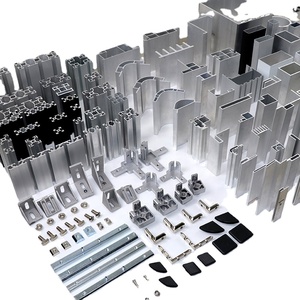
As a leading spider glazing factory and international supplier serving the Turkey market, our manufacturing plant delivers fully certified point-fixed glass hardware, structural spider fittings (1-way, 2-way, 3-way, 4-way, and articulated K-type series), ball-joint routels, tension cable trusses, and custom extruded aluminium support framing. By combining high-precision stainless steel lost-wax investment casting with 6063-T6 alloy architectural extrusions, we supply Turkish structural engineers, facade contractors, and procurement teams with components engineered to absorb high thermal expansion dynamics, dynamic seismic movements, and heavy wind loadings along the Marmara, Aegean, and Mediterranean seas.
Point-supported glass structures in Turkey face vast micro-climatic variations, ranging from high humidity and atmospheric salinity in coastal districts to extreme temperature fluctuations in Central Anatolia. Understanding these regional realities dictates the selection of material grades, surface treatments, and gasket elastomer compounds.
High-rise financial towers in Maslak, Levent, and Ataşehir require 4-way heavy-duty spider fittings mounted onto steel fin supports. Designed to deliver maximum visual light transmittance (VLT) while supporting double-glazed IGUs with Low-E coatings to mitigate summer solar gain.
Luxury hospitality projects in Bodrum, Çeşme, and Antalya demand AISI 316 (V4A) grade stainless steel spider hardware. Highly resistant to chloride pitting and coastal corrosion, these installations support expansive glass entrances and panoramic dining pavilions.
Major transportation hubs including Istanbul Airport expansions and regional high-speed train stations utilize prestressed tension cable truss systems combined with heavy-duty rotules to withstand massive positive and negative wind pressures up to 2.5 kPa.
Installing point-supported glass facades in Turkey demands strict compliance with regional safety mandates. Following the update of the Turkish Building Earthquake Code (TBDY 2018), non-structural architectural components—specifically external glass facades—must demonstrate verified displacement capacity during seismic events.
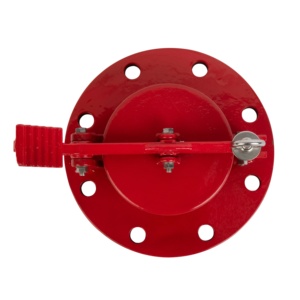
Traditional rigid framed glass walls tend to rack and shatter when subjected to horizontal inter-story shear forces. Spider glazing solves this problem by decoupling the glass panels from the primary structural building frame. Our factory produces ball-jointed routels (swivel fitting bolts) equipped with internal spherical bearings allowing multi-axial rotation up to ±15°. Under lateral seismic displacement, the glass panel floats within the articulated joint, relieving localized stress concentrations around the countersunk glass holes.
Coastal developments across the Marmara region experience extreme wind gusts during winter months. Our spider arm assemblies undergo Finite Element Analysis (FEA) testing to verify structural load capacity under static loads up to 3000 N per arm point, satisfying TS EN 13830 curtain wall performance standards. Combined with toughened laminated glass (in accordance with TS EN 12150 and TS EN 14449), our hardware guarantees maximum safety against progressive collapse or glass fallout.
To assist facade engineering consultants and procurement managers across Turkey, the following table details the mechanical parameters and alloy options available for our point-fixed hardware series:
| Series Code | Material Grade | Center Distance | Max Load / Arm | Glass Thickness Range | Recommended Application Scope |
|---|---|---|---|---|---|
| SP-200-Series | AISI 304 / AISI 316 | 200 mm | 1,800 N | 8 mm – 15 mm Single Glass | Interior partitions, glass shopfronts, low-height canopies |
| SP-220-Series | AISI 316 Stainless Steel | 220 mm | 2,500 N | 10 mm – 19 mm Monolithic / PVB | Standard commercial atriums, retail facades, showroom walls |
| SP-250-Series | CF8M (316) Cast Steel | 250 mm | 3,600 N | 24 mm – 32 mm Double IGU | High-rise commercial curtain walls, double-glazed facades |
| SP-K-Heavy | 316 Austenitic Steel | 300 mm | 5,000 N | 38 mm Triple Glazed / SGP Laminates | Airport terminals, tension-cable curtain walls, high wind zones |
As Turkey transitions toward strict energy-efficiency mandates outlined in the TS 825 Thermal Insulation Requirements for Buildings, the spider glazing industry has undergone significant technological evolution. Historical installations predominantly relied on single-pane, 12mm clear toughened glass. However, contemporary Turkish procurement trends emphasize three core technological upgrades:
Navigating the global supply chain requires choosing a manufacturing partner that combines structural engineering rigors with rapid export capabilities. As an established direct-factory manufacturer, our competitive advantages provide unmatched Information Gain and economic value to Turkish projects:
We execute 100% of silica-sol lost-wax investment casting, heat treatment, and 5-axis CNC machining under one roof, guaranteeing precise hole clearances and consistent structural grain density across every production batch.
Every melt batch undergoes strict chemical composition verification via optical emission spectrometers to guarantee exact Nickel (8.0%-11.0%) and Chromium (16.0%-18.0%) content, preventing premature rust in high-salinity Turkish coastal environments.
We provide optimized maritime freight shipping to major Turkish port hubs—including Ambarlı (Istanbul), Mersin, Alsancak (Izmir), and Gebze—accompanied by full customs documentation, ATR certificates, and EUR.1 preferential origin documentation where applicable.
For coastal regions such as Antalya, Bodrum, Izmir, and Mersin, AISI 316 (or CF8M cast equivalent) is strictly required. AISI 316 contains 2%-3% Molybdenum, providing superior resistance to chloride-induced pitting and crevice corrosion compared to AISI 304. For inland projects in Ankara or Konya, AISI 304 remains a cost-effective solution.
Double-glazed spider systems utilize heavy-duty flush or countersunk routels fitted with specialized extended aluminum or stainless spacer tubes and heavy silicone seals. The inner glass pane carries the structural weight via point fixing, while the outer pane is secured without breaching the argon-filled thermal seal, maintaining thermal insulation performance in accordance with TS EN 1279 standards.
In accordance with TS EN 12150 guidelines, all glass drilling and countersinking must be completed prior to the thermal tempering process. Hole diameters should generally be 1-2 mm larger than the routel bolt shank to accommodate internal EPDM/aluminum protective bushings. Our engineering team provides detailed DXF hole template section drawings for your local Turkish glass processor.
Yes. Our engineering division offers complete OEM design services. By providing DWG architectural drawings or structural section requirements, we create custom 3D CAD models, execute Finite Element Analysis (FEA) strain simulations, and deliver rapid rapid 3D-printed or cast sample prototypes within 10-14 working days for mock-up approvals.
Every consignment ships with comprehensive quality assurance documentation, including EN 10204 3.1 Material Test Certificates (MTC) verifying chemical alloy analysis and tensile mechanical testing, Salt Spray Testing Reports (ASTM B117), Load Bearing Strength Test Certificates, and CE compliance documentation.
Connect directly with our structural engineering and quotation department. Send us your project elevations, glass thickness requirements, or custom section drawings to receive a comprehensive technical proposal and competitive factory pricing within 24 hours.
Send an Inquiry