Direct factory supply of precision 6000-series alloy systems engineered for structural curtain walls, cladding supports, and commercial openings across Greater Jakarta.
The Special Capital Region of Jakarta (DKI Jakarta) presents one of the most demanding environmental and structural landscapes for architectural facade engineering in Southeast Asia. Characterized by high seismic risk (Zone 4 and Zone 5 design response spectra), extreme solar radiation, high humidity, and intense tropical monsoon precipitation exceeding 300 mm/month during peak periods, building envelopes in Jakarta demand uncompromised material integrity. Selecting a top-tier aluminium curtain wall systems factory and supplier requires looking beyond simple per-kilogram profile pricing—it necessitates verifying alloy metallurgical tempers, structural wind load performance, thermal break efficiency, and surface coating longevity.
As high-rise developments expand across Sudirman Central Business District (SCBD), Mega Kuningan, Pantai Indah Kapuk (PIK 2), and satellite commercial hubs in BSD City and Tangerang, facade contractors and real estate developers face stringent local green building compliance standards (GBCI Greenship) alongside SNI (Standar Nasional Indonesia) certification frameworks. Sourcing precision-extruded 6063-T5, 6063-T6, and 6061-T6 structural profile systems directly from established manufacturing facilities ensures full batch traceability, custom die engineering, and optimized logistics via Tanjung Priok Port.
An engineering evaluation of the premier architectural facade configurations specified by structural engineers and facade consultants across Jabodetabek.
Engineered for rapid tower installation in high-density districts like SCBD and Mega Kuningan. Interlocking split-mullion cassette designs are assembled under strict factory-controlled silicone application, absorbing story drift and seismic displacement up to ±25mm without seal degradation.
Featuring exposed exterior pressure plates and decorative cover caps in custom anodized or PVDF powder-coated finishes. Built with internal EPDM drainage channels that equalize air pressure inside the mullion cavity, effectively stopping monsoon water penetration under wind pressures exceeding 2.0 kPa.
Utilizing high-performance structural polyamide (PA66 GF25) thermal barrier strips mechanically crimped between interior and exterior aluminum extrusions. Cuts conductive heat transfer through the aluminum frame, directly supporting GBCI Greenship energy reduction metrics for commercial towers.
Designed for grand hotel lobbies, podium retail entrances, and corporate headquarters in Central Jakarta. Incorporates heavy-duty cast stainless steel spider fittings mounted to structural aluminum hollow section mullions, offering maximum visual transparency and daylight penetration.
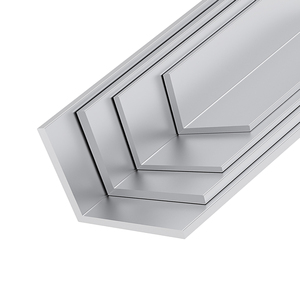
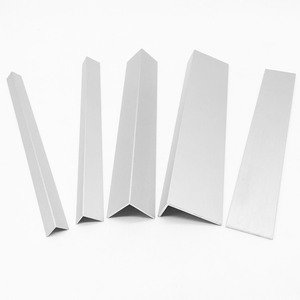
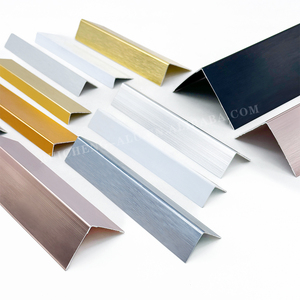
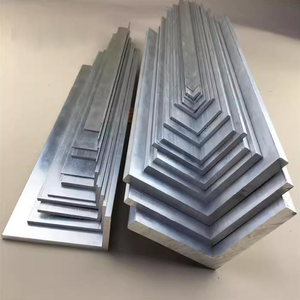
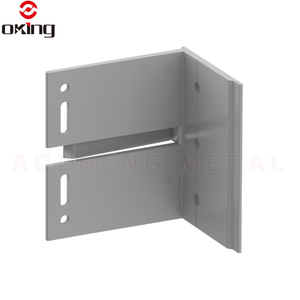
Structural 6061-T6 and 6063-T6 aluminum angle brackets (such as custom L-angle and T-profile systems) precision-engineered for ventilated stone, terracotta, and ACP facade cladding. Provides multi-directional adjustability to accommodate concrete structural tolerances during installation.
Extruded aluminum louver blades mounted horizontally or vertically to reduce direct Solar Heat Gain Coefficient (SHGC). Engineered with concealed drive brackets and integrated drainage channels, balancing dynamic exterior aesthetics with optimized HVAC cooling loads.
Combines the rich natural aesthetic of teak and oak timber with the non-combustible, rot-proof performance of 6000-series aluminum alloy. Ideal for podium soffits, biophilic interior partitions, and high-end residential balconies exposed to high humidity.
Custom-extruded deep-section aluminum mullions (up to 250mm depth) reinforced with steel core inserts or thickened structural flanges. Built to handle double-height floor spans and extreme gust wind loads along coastal zones in Pantai Indah Kapuk (PIK) and Ancol.
Specially treated with 20–25 micron thick anodic oxide layers designed to withstand saline air corrosion, industrial atmospheric sulfur dioxide, and intense UV degradation typical of North Jakarta’s marine climate zone.
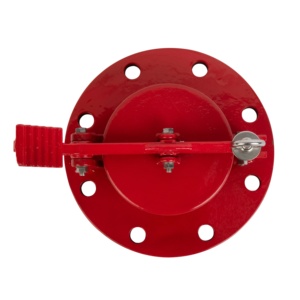
Heavy-duty, precision-sealed aluminum access ports and sampling angle hatches engineered with oil-resistant EPDM/Fluoroelastomer gaskets and locking mechanisms for industrial facilities, energy complexes, and municipal infrastructure projects.
Aluminum curtain wall systems must be tailormade for the specific urban microclimates and architectural typologies found across Jakarta's distinct development corridors:
Unitized curtain walls engineered for structural inter-story drift absorption, high acoustic dampening against city traffic, and integration with high-performance Low-E double insulated glass units (IGUs).
Marine-grade anodized (25 µm) or Qualicoat Class 2 PVDF powder-coated extrusion profiles designed to resist aggressive salt spray corrosion, humidity condensation, and strong tidal wind pressures.
Thermally broken stick facade systems combined with dynamic architectural aerofoil louvers, striking an optimal balance between energy efficiency, daylight harvesting, and modern corporate aesthetics.
The facade procurement model in Indonesia has undergone a major paradigm shift driven by technological advancement, environmental regulation, and supply chain rationalization:
Partnering directly with our state-of-the-art aluminum extrusion and surface finishing manufacturing complex provides international contractors and Indonesian fabricators with unmatched commercial and technical advantages:
Our facility operates high-tonnage automated extrusion presses capable of extruding primary 6063, 6061, and 6005 alloy billets into complex hollow and solid architectural profiles up to 300mm section width. Computer-controlled aging ovens precisely temper profiles to T5 or T6 specifications, guaranteeing guaranteed yield strength and hardness values (≥12 Webster hardness for T6).
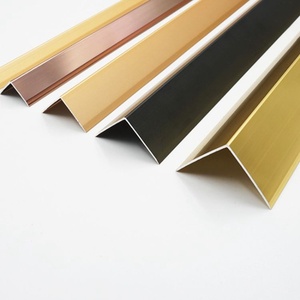
Unlike suppliers who outsource surface treatment, our plant integrates automated vertical powder coating lines, chromate-free chemical pre-treatment baths, and anodizing tanks under one quality management system. Finishing options include:
Every production batch undergoes strict dimensional tolerance verification against DWG/DXF drawings using optical profile projectors, cross-hatch paint adhesion testing, and film thickness gauge testing. For overseas shipments to Jakarta, profiles are wrapped with protective non-residue surface film, interleaved with protective foam, steel-banded, and packed into ISPM-15 compliant sea-worthy wooden crates designed for seamless container un-stuffing at Tanjung Priok Port.
Direct technical and logistical answers for facade contractors, project engineers, and quantity surveyors operating in Indonesia.
We primarily recommend alloy 6063-T6 or 6061-T6 for primary vertical mullions and horizontal transoms. 6063-T6 offers high yield strength (minimum 170 MPa) required to withstand high wind loads in high-rise applications, while providing superior surface finish for anodizing or powder coating. 6063-T5 is typically specified for lighter interior partition frames or secondary trim profiles.
Orders are packed in export-grade, fumigated wooden crates or bundles with protective interleaving film and shipped via FCL (Full Container Load) sea freight directly from our port to Tanjung Priok Port, Jakarta. Complete shipping documentation—including Commercial Invoice, Packing List, Bill of Lading, Certificate of Origin (Form E/COO), and Mill Test Certificates—is provided for smooth customs clearance via your nominated Indonesian customs broker.
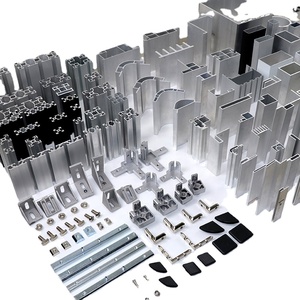
Yes. Our engineering department specializes in custom die design. Upon receiving your CAD drawings or physical cross-section samples, our engineers perform structural section property analysis, optimize wall thickness for extrudability and weight efficiency, and issue a 3D/2D shop drawing for sign-off. Matrix die fabrication typically takes 10 to 15 days, followed by sample extrusion approval prior to mass production.
Our thermally broken systems utilize high-precision polyamide (PA66 GF25) strips mechanically crimped between inner and outer extruded aluminum profiles. This creates a continuous thermal barrier that reduces frame U-values significantly (down to 1.8 W/m²K when combined with low-E IGUs). Lower heat gain reduces the building's Overall Thermal Transfer Value (OTTV), directly earning energy efficiency credits under Indonesian green building codes.
For coastal exposure like Pantai Indah Kapuk (PIK 2) or Ancol, we recommend either Anodizing Class 25 (20–25 microns thickness) or a Qualicoat Class 2 PVDF/High-Durable Powder Coating with a 60–80 micron film build over chromate-free conversion pre-treatment. This guarantees resistance against salt fog corrosion, chalking, color fading, and atmospheric industrial pollutants over a 15 to 25-year service life.
Our standard production MOQ for custom curtain wall extrusion profiles is 500 kg per section die. Total order production lead time is typically 15 to 20 days after die sample approval, with ocean transit time to Tanjung Priok Port taking approximately 10 to 14 days depending on shipping line schedules.