
Precision Sealing Aluminum Angle Deck & Hatch Fitting
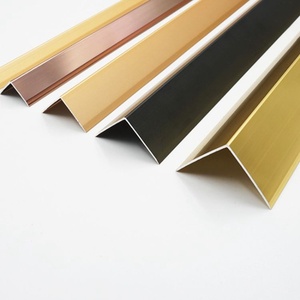
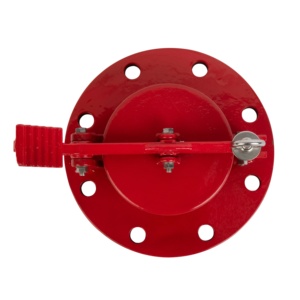
Precision-machined aluminium angle gauge hatch featuring pressure locking and leak-proof gaskets. Designed for industrial containment and marine balustrade access points.
Inquire NowPrecision extruded profiles produced in high-tensile 6000-series alloys, engineered to meet Australian Building Codes (NCC) for structural stability, balustrade occupancy loads, and extreme weather resilience.
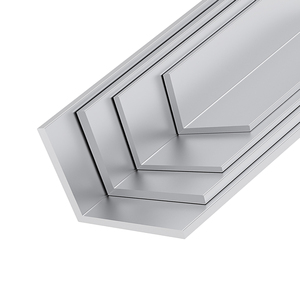
Precision-machined aluminium angle gauge hatch featuring pressure locking and leak-proof gaskets. Designed for industrial containment and marine balustrade access points.
Inquire Now
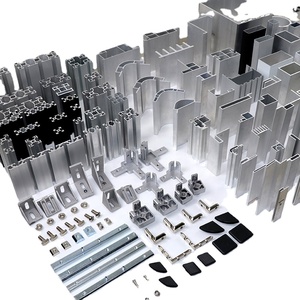
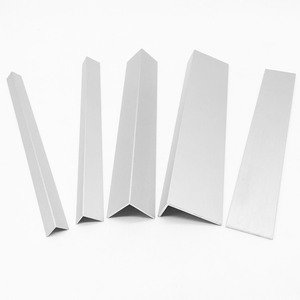
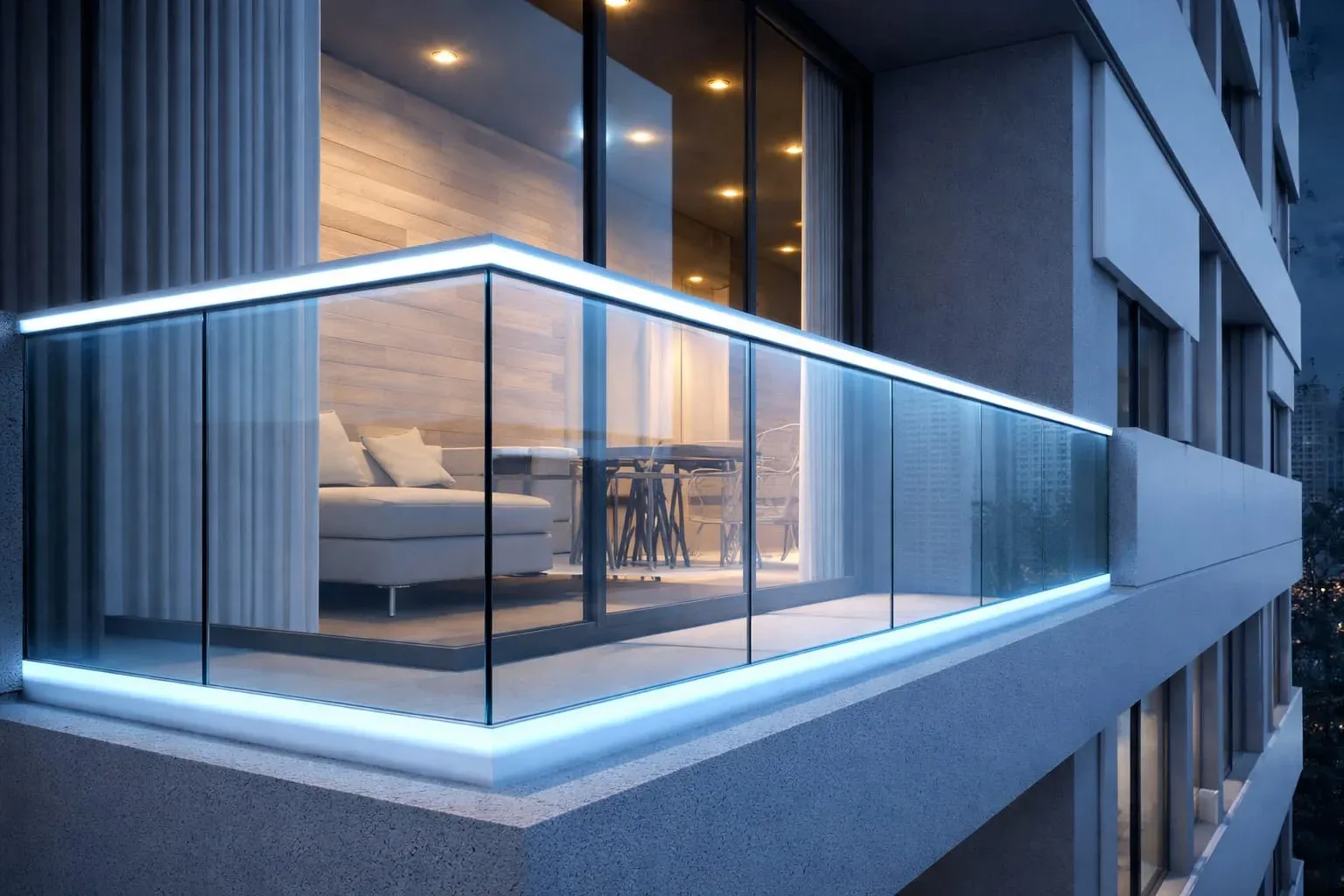
Structural L-angle extrusion optimized for glass balustrade base channels and balcony perimeter corner supports. Offers high yield strength and uniform wall thickness.
Inquire Now
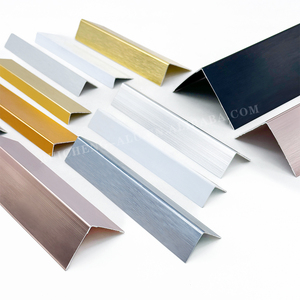
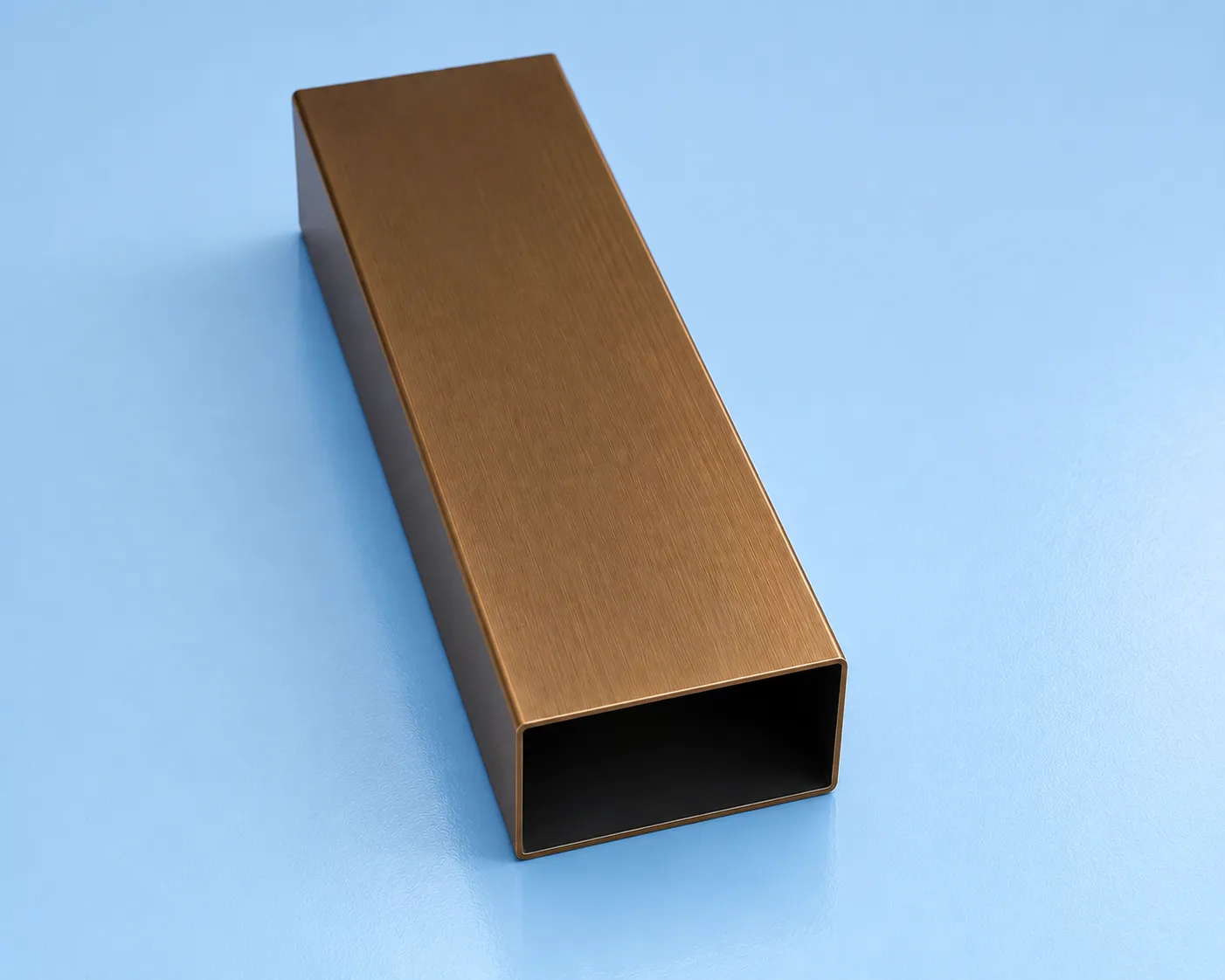
Non-combustible architectural aluminium profiles featuring durable sublimated wood-grain finishes. Ideal for Australian bushfire zone (BAL) compliant privacy screens and railings.
Inquire Now
Heavy-duty L-corner profile designed for post-to-rail connections and modular balustrade framing. Machined to fine tolerances for seamless field installation.
Inquire Now
Multi-purpose edge capping and wall attachment profile. Compatible with CNC cutting, bending, and welding processing services for custom project geometries.
Inquire Now
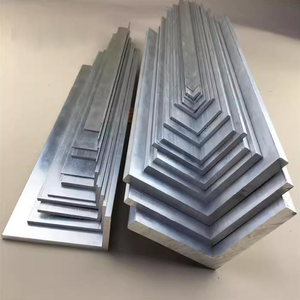
Extruded structural aluminium angles engineered for high-impact commercial balcony perimeters. Superior mechanical properties under flexural stress.
Inquire Now
Thick-walled aluminium angle structural sections tailored for high-salinity coastal installations, waterfront boardwalk balustrades, and marine access decks.
Inquire Now
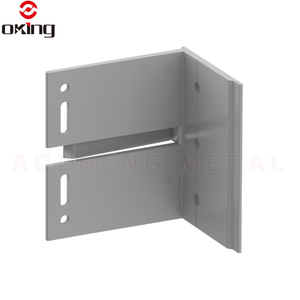
High-load aluminium mounting brackets for dry-hanging glass balustrades and facade cladding support. Certified for wind loads and shear force distribution.
Inquire NowNavigating strict Australian National Construction Code (NCC) rules requires traceable metal chemistry, precise extrusion dies, and guaranteed film builds.
Australia presents unique environmental challenges—from extreme UV radiation and severe marine corrosion in Gold Coast to high wind loads in Sydney high-rises and bushfire threats in regional Victoria.
Suburbs along the Australian coast face harsh salt-laden winds classified as C4 to C5 corrosive environments. Our aluminium railing extrusions undergo specialized chromate-free conversion baths followed by Qualicoat Class 2 powder coating or 25-micron anodic oxidation, preventing filiform corrosion, pitting, and coating chalking under high solar radiation.
Multi-story residential towers in Melbourne and Brisbane require balustrades capable of handling high Ultimate Limit State (ULS) wind pressure and line load requirements of up to 1.5 kN/m under AS/NZS 1170.1. Our 6061-T6 and 6063-T6 engineered extrusion profiles offer maximum yield strength and deflection resistance.
Regional developments in WA, NSW, and Victoria must comply with strict AS 3959 bushfire building standards. Extruded solid aluminium handrails, glass channel bases, and sublimated timber-look aluminium slats provide zero-fuel combustibility, replacing natural timber that quickly degrades or ignites under ember attacks.
Commercial infrastructure, transit hubs, and educational institutions in Australia demand continuous, non-obstructive handrail profiles compliant with AS 1428.1 (Design for Access and Mobility). Our extruded round and oval top-rail profile families allow continuous smooth hand transit with concealed wall bracket fixings.
Architects, structural engineers, and tier-1 builders across Australia are shifting towards modular, lightweight, high-performance aluminium extrusion systems to streamline site assembly and lower embodied carbon.
When sourcing structural aluminium railing systems globally, Australian procurement teams assess suppliers based on strict engineering parameters, testing verification, and die customization capabilities.
| Evaluation Vector | Standard Import Grade | Pak Alumex / Huayang Export Grade | Australian Impact & Benefit |
|---|---|---|---|
| Primary Billet Alloy | Standard Scrap Mix 6063-T5 | Virgin Ingot 6063-T6 / 6061-T6 | Guarantees structural yield strength under AS 1170.1 occupancy loads. |
| Coastal Finish Tech | Standard Powder Build 40–50µm | Qualicoat Class 2 / 25µm Anodized | Resists C5-M marine salt fog & high UV weathering without chalking. |
| Tolerance Standard | GB/T 5237 Commercial Grade | BS EN 12020 & AS 1866 High Precision | Ensures perfect glass alignment and tight snap-fit modular assembly. |
| Thermal Expansion Allowance | Generic Flat Bars | Calculated Joint Gaps + EPDM Gaskets | Prevents buckling during Australian summer temperatures (+45°C exposure). |
| Die Tooling & Prototyping | 4–6 Weeks Lead Time | 10–14 Days Rapid Die Cutting + 3D Sample | Shortens architectural approval cycles for custom project profiles. |
Addressing the most critical compliance, freight, structural, and technical questions asked by Australian contractors and certifiers.
Every batch of structural aluminium profiles extruded for the Australian market is accompanied by mill material test certificates (MTC) verifying chemical composition (6063/6061 grade) and mechanical properties (tensile strength, yield stress, and elongation). We can supply full structural section properties (moment of inertia Ix, Iy and section modulus) for local Australian structural engineers to issue Form 15 / Form 12 certer compliance documentation.
For installations within 1 km of ocean shorelines, we strongly recommend specifying architectural anodizing with a film thickness of 20 to 25 microns (A25 grade) or PVDF / Qualicoat Class 2 fluoropolymer powder coating with a minimum dry film build of 60 to 80 microns over a chromate-free conversion layer. This withstands extreme UV radiation and salt spray performance exceeding 3,000 hours in acetic acid salt spray (AASS) testing.
Die creation and sample sign-off typically require 10 to 14 days. Once approved, production runs take approximately 15 to 20 days per 40ft High Cube container (approx. 18 to 22 metric tons of extruded profiles). Direct ocean shipping from origin ports to major Australian destinations (Sydney, Melbourne, Brisbane, Fremantle) ranges between 14 to 22 days transit time.
All profiles receive interleaved protective polyethylene film over finished decorative faces. They are bundled in heat-shrink plastic wrap, reinforced with corner angle boards, and packed inside steel-strapped wooden crates or heavy-duty cardboard tubes with internal desiccant packs to prevent moisture condensation (white rust oxidation) inside sea freight containers.
Yes. Our in-house tooling shop produces project-specific extrusion dies directly from DWG/DXF section drawings or physical samples. Our engineering team conducts Finite Element Analysis (FEA) to review wall thickness, extrusion ratios, and press capability before cutting the steel die, followed by 3D prototype printing and first-article extrusion sampling.
While 316 stainless steel is prone to unsightly "tea staining" (surface discoloration requiring frequent chemical cleaning in high-salinity zones), high-grade anodized or powder-coated 6063-T6 aluminium offers complete resistance to surface tea staining, weighs roughly 65% less (reducing dead load on balconies), and provides a significantly lower total life-cycle maintenance cost.
By combining billet casting, precision extrusion, CNC machining, anodizing, powder coating, and sublimated wood-grain lines under one roof, we guarantee complete control over tolerances, delivery timelines, and finish quality.
Unlike suppliers who outsource surface treatment to third-party coaters, our fully integrated plant tracks every consignment against a single quality control job number—eliminating adhesion failures, batch-to-batch color variation, and inter-factory transport damage.