Precision-engineered aluminum profiles, anchoring brackets, and specialty components tailored for high-rise unitized facade applications across Vietnam.
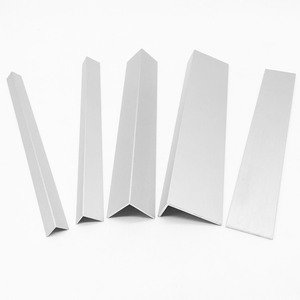
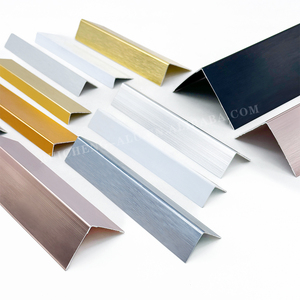
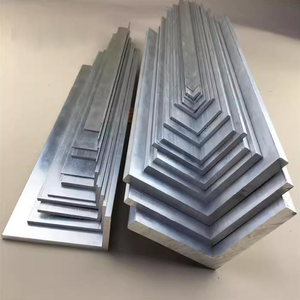
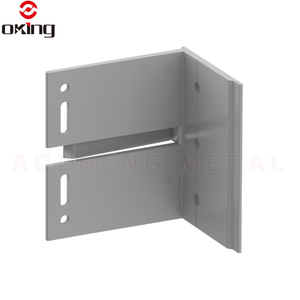
Quantifiable data highlighting the rapid expansion, engineering benchmarks, and performance standards of unitized curtain wall installations in Southeast Asia.
The Vietnamese construction sector, driven by rapid urbanization in primary metros like Ho Chi Minh City, Hanoi, Da Nang, and Hai Phong, has undergone a fundamental shift in building envelope technology. Traditional stick-built curtain walls (Mặt dựng nhôm kính hệ Stick) are increasingly being superseded by Prefabricated Unitized Curtain Wall Systems for high-rise residential towers, grade-A office spaces, and luxury commercial complexes.
Unitized facade systems offer distinct architectural and logistical advantages in Southeast Asia's dense urban environments: off-site factory fabrication under strict quality-controlled conditions, rapid field installation utilizing tower cranes without floor scaffolding, superior inter-story drift accommodation during seismic events, and exceptional weather-tightness against torrential tropical monsoon rain.
This technical report evaluates the Top 10 Unitized Facade Factories & Exporters catering to the Vietnamese market, scrutinizing manufacturing capacity, technological capability, metallurgical quality, thermal performance, and compliance with Vietnam National Building Codes (TCVN).
Vietnam's diverse topography and climatic conditions require tailored engineering approaches to unitized facade design, thermal insulation, and structural anchor calculations.
Architectural preferences and regulatory reforms are accelerating the transition toward high-performance, sustainable, and smart facade assemblies.
| Trend Vector | Technical Driver | Impact on Unitized Design | Vietnam Regulatory Standard |
|---|---|---|---|
| Green Building Certifications | Widespread adoption of LEED v4, EDGE, and LOTUS green benchmarks. | Mandatory thermal breaks, argon-filled IGUs, and low-embodied-carbon aluminum extrusions. | QCVN 09:2017/BXD (Energy Efficiency Building Code) |
| Prefabricated Construction | Scarcity of skilled site labor in urban centers and tight project delivery schedules. | Shift from stick curtain walls to 100% factory-assembled unitized cassettes installed at 1 floor/2 days. | TCVN 9366-1:2012 (Curtain Wall Fabrication) |
| Typhoon & Wind Pressure Resistance | Increasing frequency of severe coastal storm events in central/northern provinces. | Heavy-gauge split mullions, reinforced anchor brackets, structural silicone bonding verification. | TCVN 2737:2023 (Loads and Actions - Wind Standards) |
| Acoustic Insulation in Urban Metros | Severe traffic noise density in HCMC (Ring Roads) and Hanoi. | Double-laminated acoustic glazing inserts and multi-chambered sealed aluminum profiles yielding STC > 42 dB. | TCVN 9259-8:2012 (Building Acoustics) |
Addressing essential technical, logistical, and import queries for general contractors, facade consultants, and real estate developers in Vietnam.
Pak Alumex Aluminium Industries brings decades of specialized extrusion expertise and integrated manufacturing power to the international facade market. Operating from our state-of-the-art facility, every phase of production—from primary aluminum billet heating and extrusion die engineering to surface pretreatment, powder coating, anodizing, and CNC secondary fabrication—takes place under a unified, rigorous Quality Management System.
Controlling chemical composition in 6063, 6061, and 6005 alloys to guarantee optimal tensile strength, elongation, and surface finish suitability.
In-house anodizing up to 25μm, Qualicoat powder coating (60-80μm), and vacuum sublimation wood-grain finish technology.
Every profile bundle is tagged with mill test certificates, batch numbers, dry film thickness records, and dimensional audit reports.
Planning a High-Rise Facade Project in Vietnam?
Get a Quote