Direct factory-extruded 6000-series alloy window frames, structural wall angle trims, precision sealing hatches, and heavy-duty cladding brackets certified for Ho Chi Minh City commercial and residential developments.
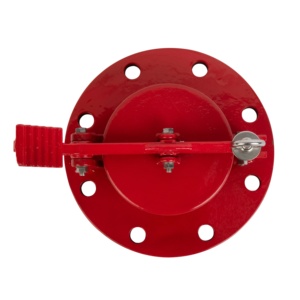
Heavy-duty pressure-rated inspection hatch engineered with zero-clearance gasket seating for industrial storage & fuel facilities.
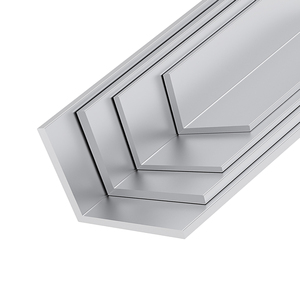
High yield strength structural corner angles designed for structural window joints and high-rise curtain wall perimeters.
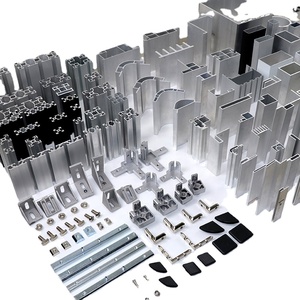
Sublimation heat-transfer wood grain profiles providing luxury aesthetics without thermal warping under Vietnam solar radiation.
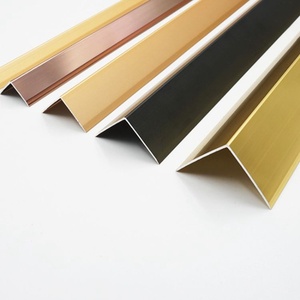
Precision-milled corner extrusions ensuring airtight, water-resistant window frame assemblies under heavy rainfall loads.
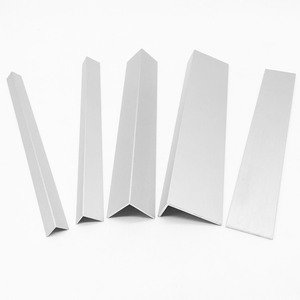
Electrostatically coated surface trims with 60–80 µm film thickness to resist atmospheric humidity in Saigon urban districts.
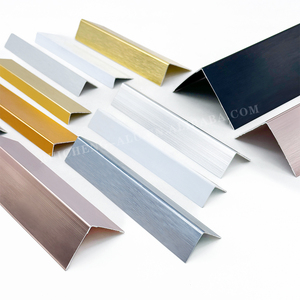
Impact-resistant corner guard profiles machined with precision punching for fast onsite window reveal anchoring.
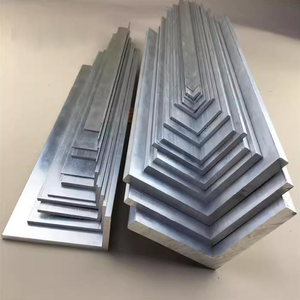
Corrosion-resistant structural extrusion designed for coastal/estuary humidity resistance near Saigon River installations.
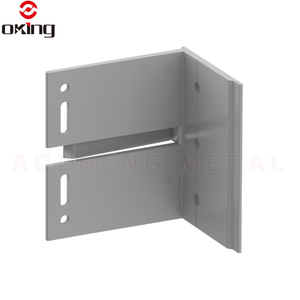
Engineered load-bearing anchors for unitized glazing and stone/panel cladding systems on high-rise structures.
Ho Chi Minh City (HCMC), as Vietnam’s primary economic engine, is experiencing an unprecedented surge in urban infrastructure, high-rise residential towers (District 2, District 7, Thu Duc City), and Grade-A commercial complexes. However, sourcing window frames for Southern Vietnam requires far more than aesthetic evaluation. The local tropical monsoon climate—characterized by high annual solar irradiance, extreme relative humidity averaging 80%, severe precipitation cycles, and urban acoustic pressure—presents distinct engineering challenges for facade designers and project developers.
Choosing an established window frames factory and exporter for Ho Chi Minh City requires a thorough understanding of material science, alloy temper selection, and surface finishing technologies. Standard architectural window frames sourced without climate-specific considerations frequently suffer from frame deformation, thermal bridge energy losses, coating chalking under high UV indexes, and water ingress during monsoon storm surges.
Comparing structural durability, maintenance overhead, and environmental performance across window frame materials used in Ho Chi Minh City construction.
| Performance Metric | Extruded Aluminium (6063-T5/T6) | uPVC Vinyl Frames | Traditional Natural Timber |
|---|---|---|---|
| Structural Yield Strength | High (170–205 MPa) | Low (35–50 MPa) | Moderate (Varies by species) |
| Monsoon Rain Leakage Resistance | Superior (Pressure Equalized) | Moderate (Welded joints degrade) | Poor (Wood swells and rots) |
| UV & Thermal Stability | Zero Thermal Warping | Prone to yellowing & expansion | Splits, warps, and fades |
| Surface Finish Options | Powder Coating, Anodizing, Wood Grain | Laminated foil or plain color | Varnish, Stain, Paint |
| Design Life in HCMC | 30–50+ Years | 10–15 Years | 5–10 Years (High maintenance) |
| Recyclability & Sustainability | 100% Infinitely Recyclable | Difficult to recycle | Biodegradable (if untreated) |
As a global OEM/ODM manufacturer supplying major construction projects across Southeast Asia, our aluminium extrusion systems are precisely tailored for the diverse urban micro-climates within Ho Chi Minh City and surrounding provinces (Binh Duong, Dong Nai, Long An):
High-altitude luxury condos in An Phu and Thao Dien experience heavy wind-driven rain and wind loads up to 1.8 kPa. Our unitized curtain wall profiles and 6063-T6 heavy mullions ensure structural integrity with minimum deflection (L/175).
Luxury residential villas demand high thermal isolation and aesthetic integration. Our sublimated wood-texture aluminium casement windows and bi-fold doors mimic teak and oak finishes without rotting in high soil moisture environments.
Storefronts and office towers on Nguyen Hue and Le Loi demand extreme acoustic dampening. Multi-chamber double-glazed sliding and lift-and-slide door profiles attenuate traffic decibels while maintaining modern ultra-slim sightlines.
From raw 6063 billet casting, extrusion press lines (800T to 3500T), precision CNC machining, down to automated vertical powder coating and anodizing tanks—every process is controlled under ISO 9001 quality management.
Our engineering design team reviews wall thickness ratios, stress points, and tolerance metrics prior to die cutting. We provide physical first-article extruded samples within 10-14 days for project approval.
We apply Qualicoat Class 2 certified polyester and PVDF powders (60–80 µm) and architectural hard anodizing (up to 25 µm), guaranteed to resist color fading, salt spray corrosion, and chemical pollutants.
Orders are bundled with protective PE film, non-woven fabric wrapping, steel strapping, and wooden crating. Complete export clearance documents, Form E/C/O certificates, and packing lists ensure smooth clearance at HCMC ports.
For standard residential and commercial window frames, 6063-T5 provides the optimal balance of extrudability, smooth surface finish for powder coating, and structural yield strength. For structural curtain wall mullions, long-span transoms, or high-rise window frames subject to wind load pressures above 1.5 kPa in Thu Duc City or District 2, 6063-T6 or 6061-T6 temper is specified due to its higher ultimate tensile strength (exceeding 205 MPa).
Projects located along the Saigon River, Soai Rap River, or coastal areas near Long An/Vung Tau require elevated surface protection. For powder coating, we apply a minimum dry film build of 60–80 microns using Qualicoat-compliant architectural polyester powders. For anodized finishes, an oxide film thickness of 20–25 microns (Class 1 Exterior) is mandatory to prevent filiform corrosion and pitting caused by high humidity and atmospheric salt content.
Our thermally broken systems utilize high-grade Polyamide (PA66 GF25) mechanical insulating strips crimped between the interior and exterior aluminum profile shells. This thermal barrier reduces the frame's thermal transmittance (U-value) from ~5.8 W/m²K down to below 2.2 W/m²K when combined with low-E double glazing. Lower thermal conductivity cuts indoor heat gain, significantly reducing air conditioning loads and fulfilling the energy efficiency criteria for EDGE and LOTUS certification.
Our standardized export workflow is engineered for speed and reliability:
1. Die Design & Tooling: 10 to 14 days after CAD drawing sign-off.
2. Sample Approval & Mass Extrusion: 14 to 20 days.
3. Surface Finishing & Packing: 5 to 7 days.
4. Ocean Transit to Cat Lai Port (HCMC): Approximately 10 to 18 days depending on direct shipping lane schedules. Total turnaround from drawing sign-off to port arrival is typically within 35 to 45 days.
Yes. Our engineering department works directly with DWG, DXF, and STEP files supplied by Vietnamese architectural firms and facade contractors. We analyze wall thickness uniformities, snap-fit joinery tolerances, gasket grooves, and corner cleat recesses, making necessary DFM (Design for Manufacturing) adjustments to ensure high-speed fabrication on your assembly lines.
Every profile surface is covered with a protective anti-scratch film (custom branded option available). Profiles are inter-leaved with non-woven protective foam, bundled into heavy-duty moisture-barrier shrink wrap, and packed inside reinforced steel-banded wooden crates or heavy kraft paper bundles designed for forklift handling at container yards in Cat Lai Port.
Send your project CAD drawings, elevation schedules, or tender specs today. Our senior technical team will return a complete profile weight schedule, die feasibility report, and factory-direct quotation within 24 hours.
Inquire Now