Explore our export-grade aluminium profiles, structural brackets, and precision point-fixed glazing hardware engineered for commercial facades and high-rise developments in Brazil.
A comprehensive whitepaper guide for structural engineers, facade consultants, and Brazilian architectural procurement directors.
Point-fixed structural glass facades eliminate traditional aluminum mullion sightlines by transferring dead loads and dynamic wind pressures directly through discrete stainless steel spider fittings and articulated routels. Unlike frame-supported curtain walls, point-fixed systems generate concentrated mechanical stresses at bolt penetration points. This requires precise stress distribution analysis via Finite Element Modeling (FEM).
Our heavy-duty 1-way, 2-way, 3-way, and 4-way spider arms are cast from investment-molded AISI 316 / 316L stainless steel and coupled with heat-treated AA 6063-T6 or 6061-T6 structural aluminum brackets. These assemblies are engineered to absorb thermal expansion differentials, inter-story building drifts, and cyclic wind vibration typical of urban high-rise towers in Latin America.
The core reliability of a spider facade hinges on the design of its routels (glass fasteners). Rigid fixing creates glass edge stress concentrations, leading to spontaneous thermal toughened glass breakage. Our countersunk and button-head swivel routels feature a ball-and-socket joint that permits up to ±4.5° angular movement.
Equipped with UV-stabilized EPDM or vulcanized silicone isolation bushings, these routels prevent direct metal-to-glass contact. This mechanism isolates double-glazed or laminated tempered glass panes from shearing forces caused by structural deflection under gust loads.
| Component / Parameter | Material Specification | Yield Strength / Tensile | Corrosion Resistance | Target Application |
|---|---|---|---|---|
| Spider Arm Castings | Investment Cast SS316 / SS316L / Duplex 2205 | Yield ≥ 240 MPa / Tensile ≥ 560 MPa | Salt Spray Test (ASTM B117) > 3,000 hrs | Heavy-Duty Point Support Facades |
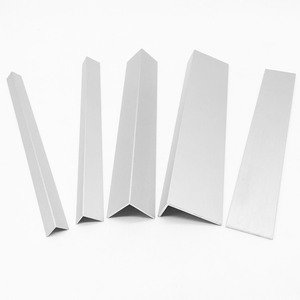
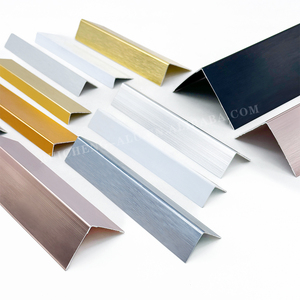
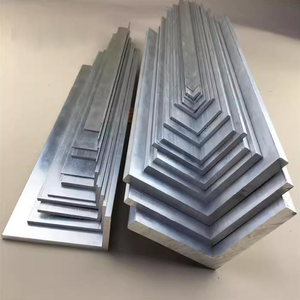
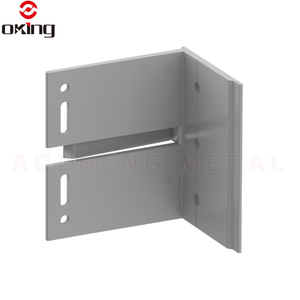
| Structural Support Brackets | AA 6061-T6 / AA 6063-T6 Extruded Aluminum | Yield ≥ 240 MPa / Tensile ≥ 290 MPa | Anodized 20-25 μm / PVDF Coating 60-80 μm | Curtain Wall Anchor Systems & Subframes |
| Articulated Routels | AISI 316 Stainless Steel with EPDM Gaskets | Ultimate Shear Load > 18.5 kN | C5-M Coastal / High Marine Resistance | Flush Countersunk or Swivel Button Glass Fixing |
| Structural Fasteners | A4-80 Grade Stainless Steel Bolts | Tensile Strength ≥ 800 MPa | Passivated Surface Treatment | Primary Load-Bearing Connections |
Engineered to perform under diverse climatic conditions, from tropical humidity in the North to high seismic and wind forces on Atlantic coastlines.
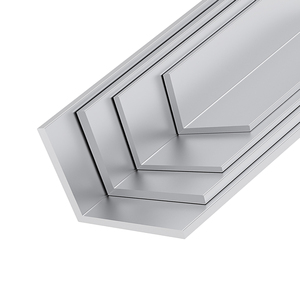
In high-density financial districts such as Avenida Paulista, Avenida Faria Lima, and Berrini, modern commercial towers demand floor-to-ceiling transparency alongside acoustic attenuation against heavy urban noise. Spider glazing systems equipped with heavy-duty aluminum structural angle brackets provide sleek, frameless atrium entryways, multi-story glass lobbies, and suspended canopy facades.
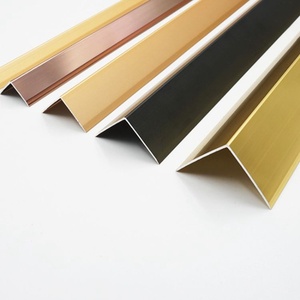
Coastal developments in Rio de Janeiro (Barra da Tijuca, Copacabana), Salvador, and Recife face extreme airborne salt-spray (C5-M atmospheric corrosive category) and intense tropical UV radiation. Standard 304 stainless steel quickly undergoes pitting corrosion in these environments. We supply specialized SS316L and Duplex 2205 spider hardware paired with deep-anodized or PVDF-coated aluminum mounting angles.
Monumental architecture in Brasília, as well as modernizations across international airports (GRU in São Paulo, GIG in Rio, BSB in Brasília), rely on wide-span glass atriums. Our point-supported structural spider systems support suspended glass walls exceeding 20 meters in height using tension rod trusses or glass fin backbones.
Aligning international manufacturing precision with Brazilian construction norms (ABNT) and sustainable building certifications (LEED / AQUA-HQE).
Sets guidelines for structural glass in architecture. Our spider fittings accommodate specified laminated safety glass thicknesses (PVB/SentryGlas interlayers) to ensure structural safety under impacts.
Governs performance of building facades and curtain walls. Our spider fittings and structural aluminum angle anchors are rated for wind pressure zones up to 5,500 Pa (Zones 1-5 in Brazil).
Brazil ranks among the top 5 globally for LEED-certified projects. Point-fixed spider facades allow maximum Natural Daylight Autonomy (NDA), reducing artificial lighting loads.
Revitalizing older commercial assets in Porto Alegre, Belo Horizonte, and Curitiba. Light-weight point-supported glass avoids over-loading legacy reinforced concrete building frames.
Combining vertically integrated extrusion, anodizing, precision casting, and dedicated export logistics to major Brazilian seaports.
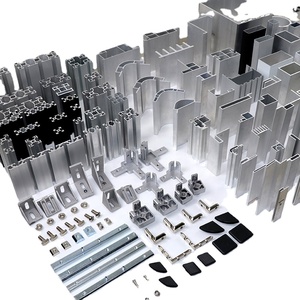
Our manufacturing complex houses billet casting, multi-axis aluminum extrusion presses, investment casting, automated anodizing tanks, and high-durability powder coating lines under a single Quality Management System. We manufacture custom aluminum wall angle brackets, structural subframes, and specialized spider fittings from DWG/DXF drawings or physical samples.
Navigating import logistics into Brazil requires clean documentation and precise compliance with Receita Federal standards. We provide complete commercial and technical documentation to streamline customs clearance via Siscomex for Brazilian importers holding RADAR licenses.
Technical and logistical insights for importing structural spider glazing components into Brazil.
Connecting architectural visions with precision hardware engineering. Contact our engineering desk today to obtain CAD details, structural test data, or competitive FOB/CIF quotation for the Brazilian market.
Get Catalog